For much of the offseason, it seemed like a deal between the Houston Astros and Boston Red Sox involving Isaac Paredes was only a matter of time.
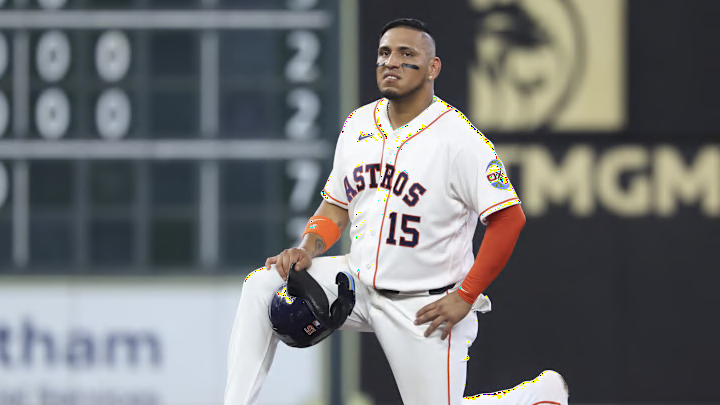
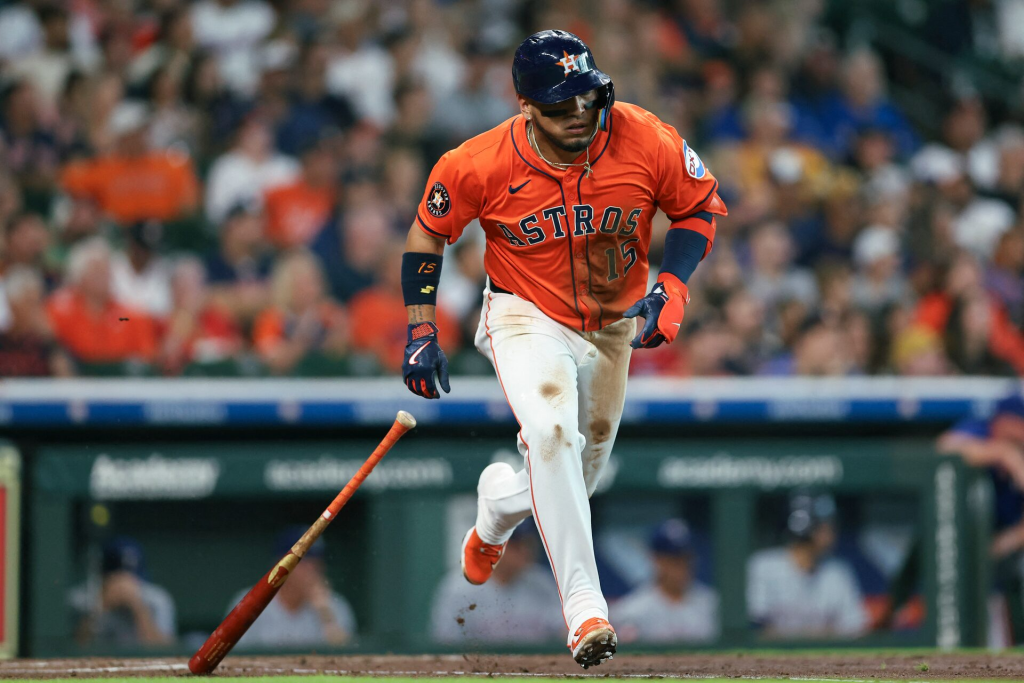
Mar 29, 2026; Houston, Texas, USA; Houston Astros second baseman Isaac Paredes (15) kneels on second base during a pitching change in the fifth inning against the Los Angeles Angels at Daikin Park. Mandatory Credit: Troy Taormina-Imagn Images | Troy Taormina-Imagn Images
The framework was there. The interest was mutual. At one point, even a more complex three-team version of the trade was being discussed, involving additional pieces and potential ripple effects across multiple rosters.
Then, suddenly, it stalled.
Boston pivoted, acquiring Caleb Durbin instead, and the assumption was simple—the talks were over.
But that wasn’t entirely true.
Behind the scenes, discussions reportedly continued even after Durbin joined the Red Sox. Boston still had interest in Paredes, viewing him as a potential designated hitter to add balance to their lineup.
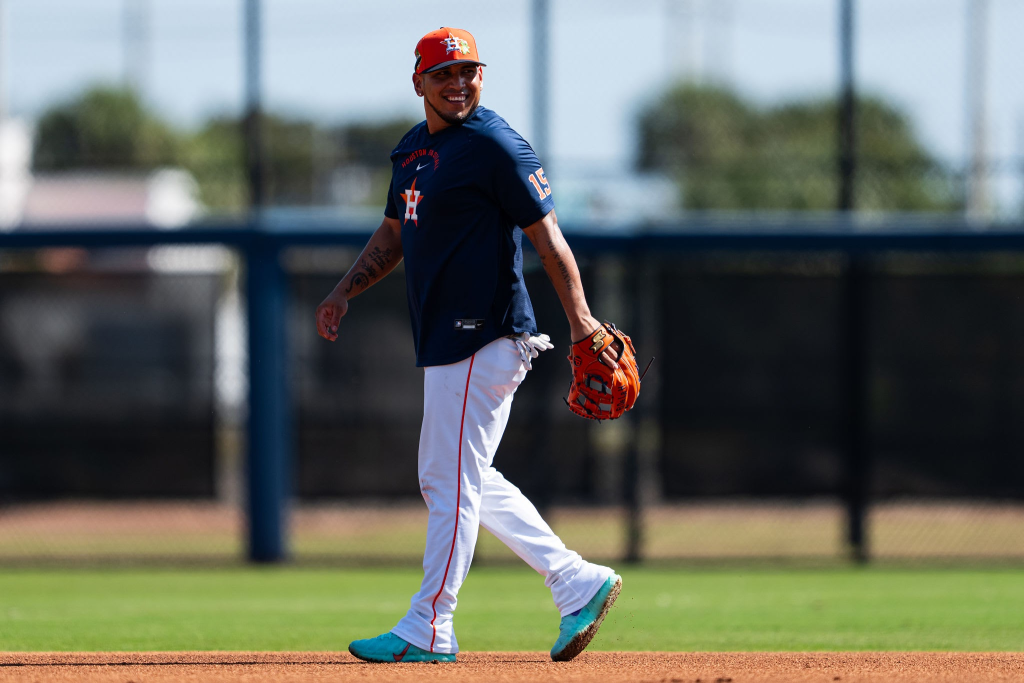
Yet the deal never gained real traction.
And now, a small but intriguing detail may help explain why.
According to reporting from The Boston Globe, Paredes himself expressed discomfort with hitting at Fenway Park. Specifically, he indicated that he struggles to see the ball well in that environment—a concern that, while not formally blocking a trade, could have influenced how both teams approached negotiations.
It’s an unusual wrinkle.
Paredes doesn’t hold a no-trade clause, meaning he wouldn’t have had the power to outright reject a move. But player preferences still carry weight, especially when communicated clearly. Even subtle hesitation can complicate discussions, particularly when teams are already weighing roster fit and long-term value.
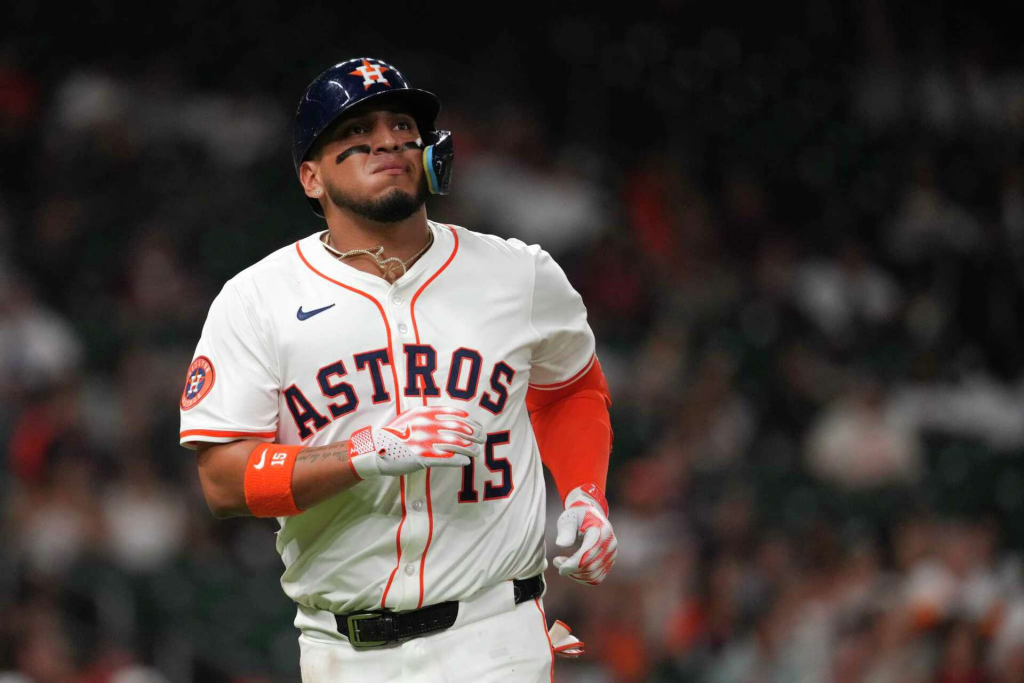
Still, the reasoning raises questions.
Fenway Park is widely considered a hitter-friendly venue, especially for right-handed pull hitters—a profile that fits Paredes well. His offensive approach, built around lifting and pulling the ball, would seemingly translate well to Boston’s dimensions.
But for Paredes, the issue isn’t about the park’s reputation.
It’s about comfort at the plate.
“If I can’t see the ball, I can’t hit it,” he essentially conveyed—an explanation that may sound simple, but carries real implications for a hitter’s confidence and performance.
Statistically, his history at Fenway doesn’t suggest a major issue. His numbers there are comparable to his overall career production, offering no clear evidence of a dramatic drop-off.
Which leads to another possibility.
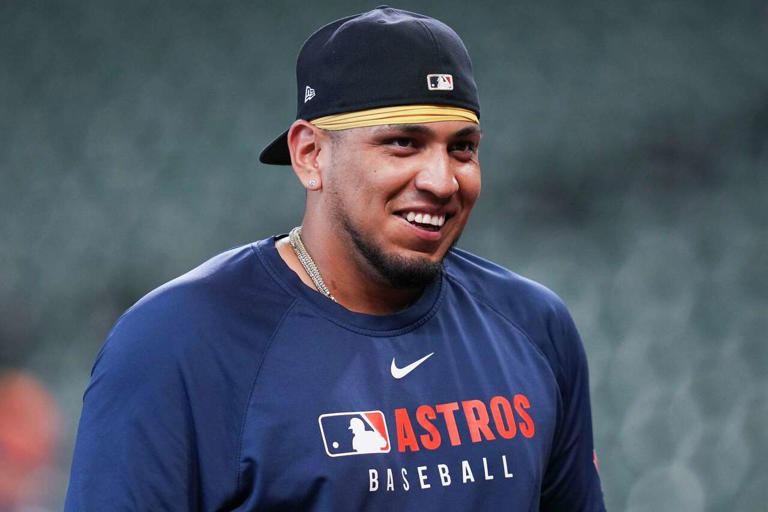
After several moves early in his career—Detroit, Tampa Bay, Chicago, and now Houston—Paredes may simply be seeking stability. Another relocation, especially to a high-pressure market like Boston, may not have been appealing.
From Houston’s perspective, the situation was equally complex.
The Astros weren’t in a position of strength in negotiations, but they also weren’t willing to move a productive, All-Star-caliber player without receiving appropriate value in return. Once Boston addressed its needs elsewhere, Paredes became less of a priority and more of a luxury option.
And just like that, the momentum faded.
In the end, it likely wasn’t one single factor that stopped the deal—but rather a combination of fit, timing, leverage, and perhaps a quiet preference from the player himself.
For now, Paredes remains in Houston.
But the story serves as a reminder of how fragile trade talks can be. Sometimes it’s not the big headlines or blockbuster pieces that derail a deal.
Sometimes, it’s something as simple—and as personal—as how a hitter sees the ball.
Leave a Reply