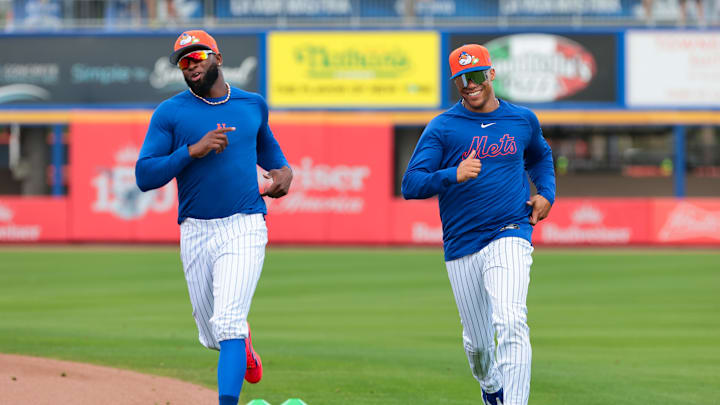
Feb 17, 2026; Port St. Lucie, FL, USA; New York Mets outfielder Luis Robert Jr. (left) and outfielder Juan Soto (right) run during a spring training workout at Clover Park. Mandatory Credit: Sam Navarro-Imagn Images | Sam Navarro-Imagn Images
Luis Robert Jr. didn’t need a full season in New York to make headlines.
Before even playing a regular-season game with the Mets, his Opening Day remarks struck a nerve—especially back in Chicago. What he said wasn’t shocking, but it was direct. And for White Sox fans, it landed a little too close to home.
A fresh start—and a pointed observation
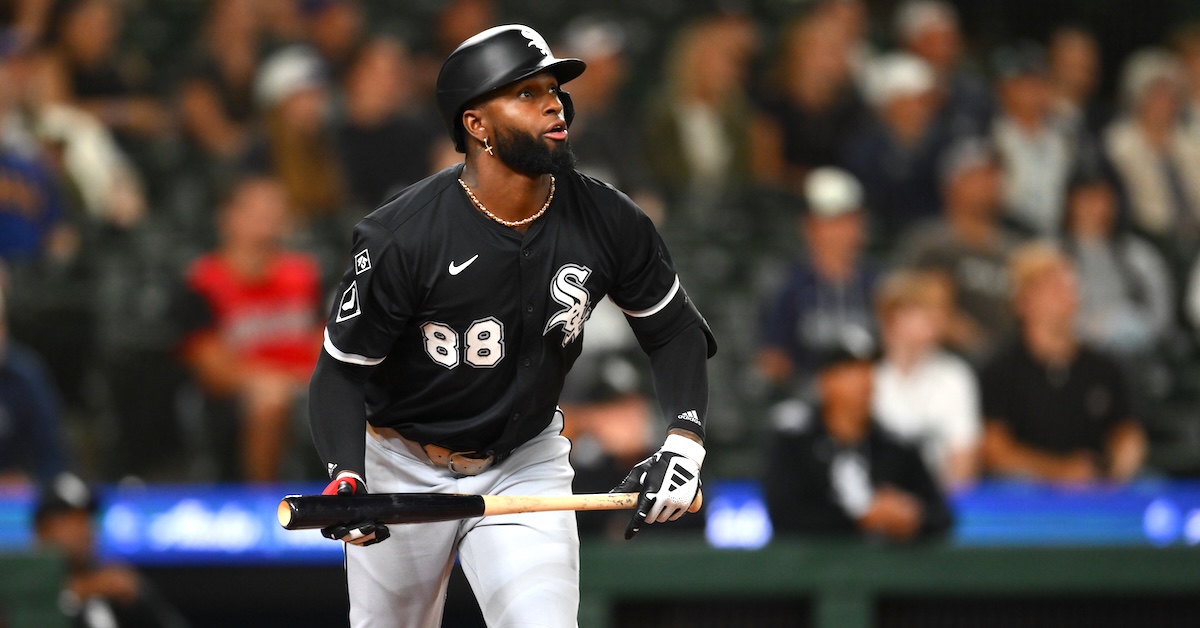
After being traded in January, Robert enters 2026 with a clean slate.
The Mets handled his spring workload carefully, but he arrives healthy and ready to contribute. That alone marks a positive shift for a player whose time in Chicago was often interrupted by injuries and inconsistency.
Then came the comment.
Robert spoke about the atmosphere he expects in New York—packed stands, a lively crowd, and an energy he admitted he rarely experienced in recent years with the White Sox.
It wasn’t framed as criticism. But it didn’t need to be.
The numbers back him up
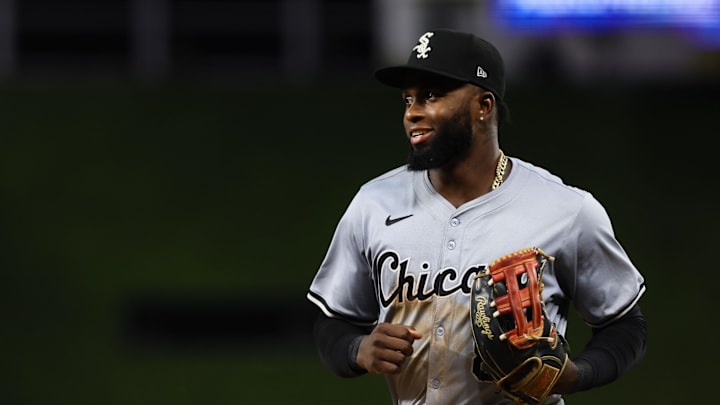
As uncomfortable as it may be, Robert’s observation reflects reality.
White Sox attendance has steadily declined over the past few seasons. In 2025, the team ranked near the bottom of the league in average attendance, drawing just over 18,000 fans per game. The year before wasn’t much better, and even in 2023—another difficult season—the numbers lagged behind much of the league.
Only a handful of teams drew fewer fans, and some of those were limited by smaller stadium capacities.
The trend is clear.
Blame doesn’t fall in just one place

It would be easy to frame this as a fan issue—but that oversimplifies the situation.
The White Sox have struggled on the field, posting multiple losing seasons and failing to meet expectations. When the product declines, so does attendance. That’s not unique to Chicago—it’s a reality across sports.
Still, accountability doesn’t stop there.
Robert himself was part of those teams. Injuries and inconsistent production prevented him from becoming the steady star the organization hoped for. At the same time, the front office failed to build a competitive roster capable of sustaining fan interest.
This wasn’t one problem. It was a combination of many.
Signs of change are beginning to emerge
There is, however, a sense that things may be turning.
The White Sox are gradually reshaping their roster, leaning into younger talent and building toward a more competitive future. The farm system shows promise, and recent call-ups have injected new energy into the lineup.
It’s not a finished product—but it’s a start.
A fan base waiting for a reason
Chicago fans haven’t disappeared—they’ve been waiting.
Moments like the 2021 postseason run proved how quickly the ballpark can come alive when the team gives them something to believe in. The passion is still there, even if the turnout hasn’t matched it recently.
Robert’s comment may have stung, but it wasn’t entirely unfair.
And if the White Sox take the next step forward, it’s a truth that won’t last much longer.
Leave a Reply