For most of the afternoon, Jesús Luzardo looked exactly like the pitcher the Phillies committed $135 million to just weeks ago.

Jesus Luzardo allowed six runs in six innings to the Rangers. | Eric Hartline-Imagn Images
Then, in a matter of a few pitches, everything unraveled.
The left-hander’s outing against Texas wasn’t defined by constant struggles—it was defined by precision mistakes at the worst possible moments. And against experienced hitters, those mistakes don’t just hurt—they change games.
Early on, Luzardo was in complete control.
He cruised through the first two innings with ease, needing just 22 pitches to get through the first 2⅓ frames. His command was sharp, his tempo quick, and his stuff looked crisp. He mixed in strikeouts with weak contact, including a deceptive sweeper that froze Corey Seager for a called third strike.
At that point, there were no warning signs.
Even into the third inning, Luzardo appeared firmly in command before Brandon Nimmo stepped in—and changed the tone instantly.
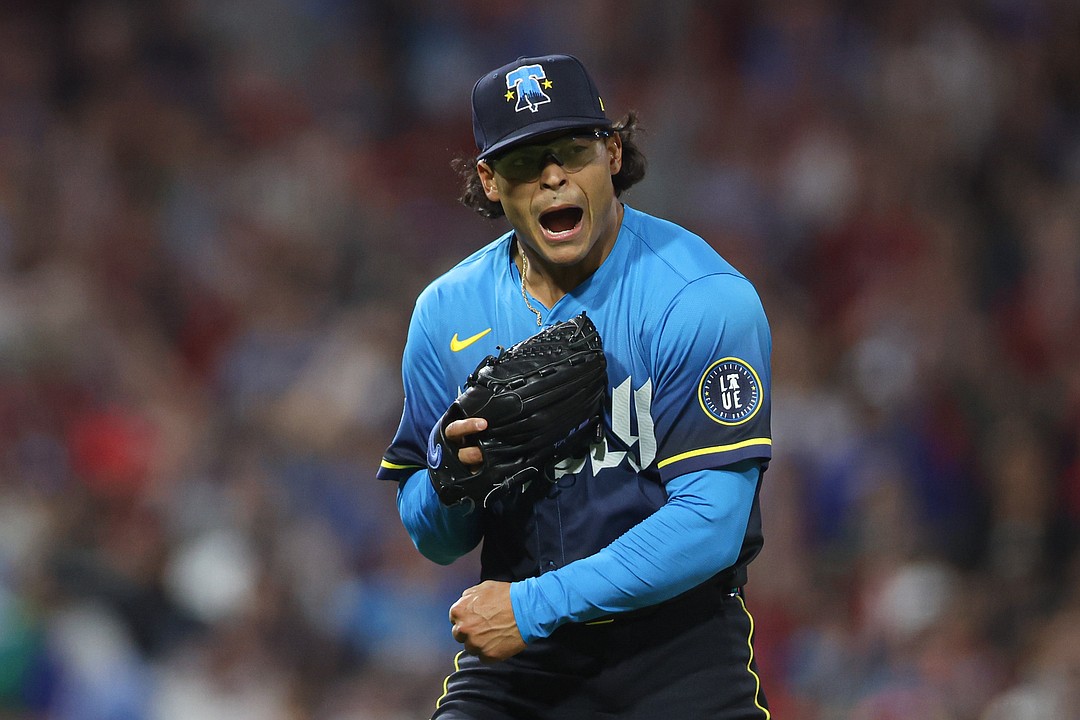
On the first pitch he saw, Nimmo turned on a low, inside sweeper and sent it into the bullpen for a two-run homer. It wasn’t just a mistake—it was a familiar matchup. Nimmo has seen Luzardo well over the years, and once again, he didn’t miss his opportunity.
Still, it was manageable.
A two-run shot doesn’t usually sink a starting pitcher, especially one as steady as Luzardo has been. But what followed in the fourth inning proved far more damaging.
Control began to slip.
Luzardo lost Seager on four pitches well outside the zone, then gave up a single to Jake Burger. He recovered to get ahead of Andrew McCutchen 1-2—but that’s when the decisive mistake came.

A 98 mph fastball—his hardest pitch of the day—caught too much of the plate.
McCutchen didn’t hesitate.
The veteran, who had only recently signed after lingering in free agency, crushed the pitch into the left-field seats for a three-run homer, blowing the game wide open. It was the hardest contact Luzardo allowed all afternoon, and it came on his most powerful offering.
In a flash, the Phillies were buried.
Philadelphia’s offense didn’t provide much resistance either, managing little production for the second straight game. By the sixth inning, the deficit had grown to 6-0, and the outcome felt all but decided.
What made the outing stand out wasn’t volume—it was timing.
Luzardo has built his reputation on limiting damage. Last season, he made 32 starts and kept the ball in the park in 20 of them. Multi-home run games against him were rare, and when they happened, they often dictated the result.
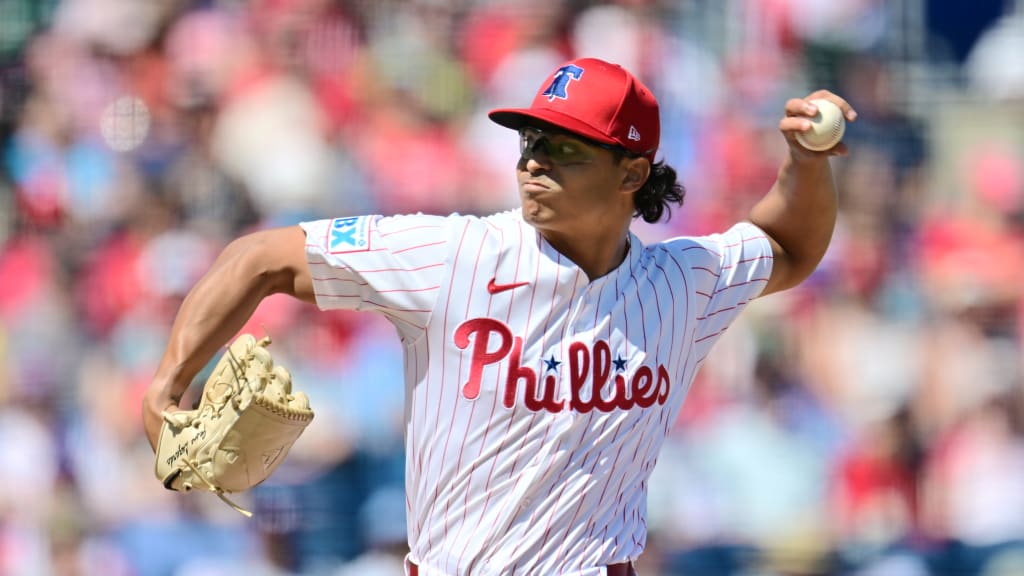
Sunday followed that pattern.
Yet there’s little reason for long-term concern.
Luzardo is coming off a career year, finishing 15-7 with a 3.92 ERA while logging over 183 innings and striking out 216 batters. His underlying numbers were even stronger, with long stretches of dominance interrupted only briefly during the season.
This outing felt more like a reminder than a warning.
Even elite pitchers can be undone by a pair of poorly located pitches. Aaron Nola experienced something similar just a day earlier. The larger issue for Philadelphia wasn’t just pitching—it was the lack of offense to respond.
This roster is built to win tight, controlled games.
The Phillies thrive when their starters set the tone and the bullpen protects narrow leads. Playing from behind, especially by multiple runs, exposes a lineup that relies heavily on a few power threats like Bryce Harper and Kyle Schwarber.
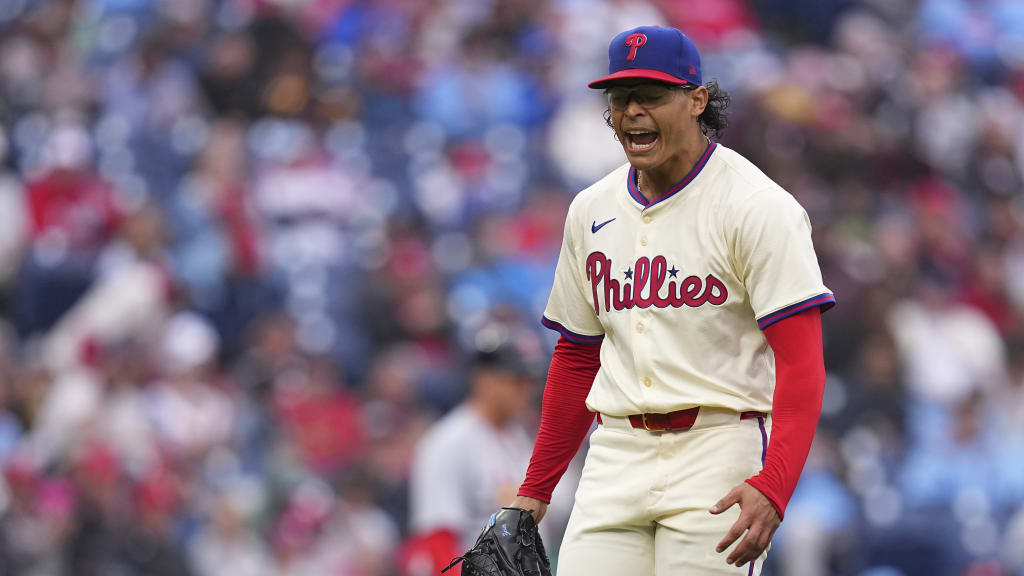
That formula didn’t hold up this weekend.
Luzardo will get another chance to reset soon, with his next start scheduled at Coors Field—a place where he dominated last season. If history is any guide, a bounce-back performance is well within reach.
For now, though, this was simply one of those outings pitchers—and teams—try to forget quickly.
Because sometimes, a game doesn’t slip away gradually.
Sometimes, it turns on just two pitches.
Leave a Reply