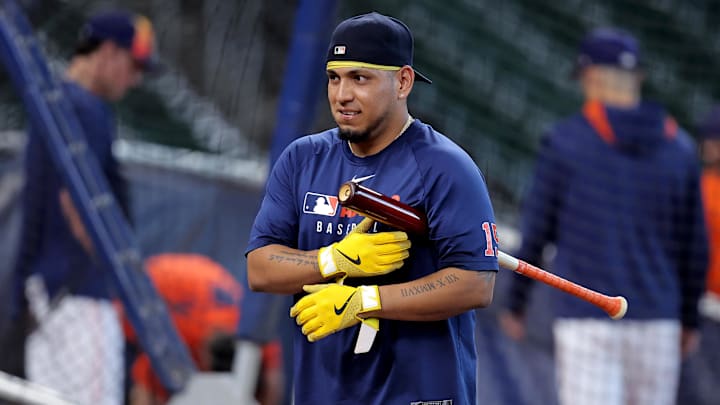
For months, Isaac Paredes has been one of the most frequently mentioned names in MLB trade rumors.
Houston Astros hat | William Purnell-Imagn Images
The Houston Astros have listened. The Boston Red Sox have called. And on paper, the match makes sense. Boston lost Alex Bregman to free agency, creating a clear hole at third base.
Paredes is productive, affordable, and under team control. For a front office looking to stabilize the infield, he checks a lot of boxes.
But not everyone in Boston is convinced this is a deal worth making.
Isaac Paredes | Erik Williams-Imagn Images
Red Sox beat writer Sean McAdam of MassLive recently poured cold water on the idea, warning that the cost of acquiring Paredes could far outweigh the return — especially given the assets Boston would likely have to surrender.
That skepticism matters.
The Red Sox are one of the few teams with both the motivation and the inventory to make Houston listen. They have surplus outfielders. They have young pitching.
And they have flexibility that many contenders don’t. From the Astros’ perspective, that puts Dana Brown firmly in the driver’s seat.
From Boston’s perspective, that’s exactly the problem.
McAdam outlined a group of players the Red Sox could theoretically move: everyday outfielders like Jarren Duran or Wilyer Abreu, or promising young starters such as Payton Tolle and Connelly Early. Each comes with upside — and with risk.
Abreu, in particular, stands out. He’s a back-to-back Gold Glove winner in right field, providing elite defense at a premium position. Duran offers more offensive upside but lacks Abreu’s defensive reliability. Either player would immediately help Houston.
That’s where McAdam draws the line.
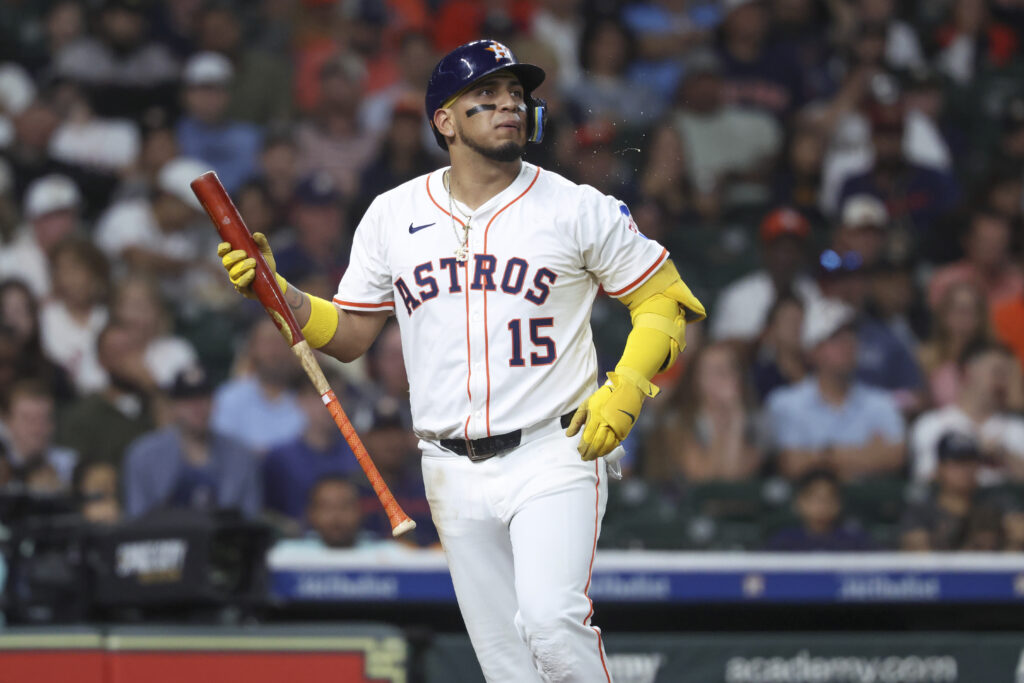
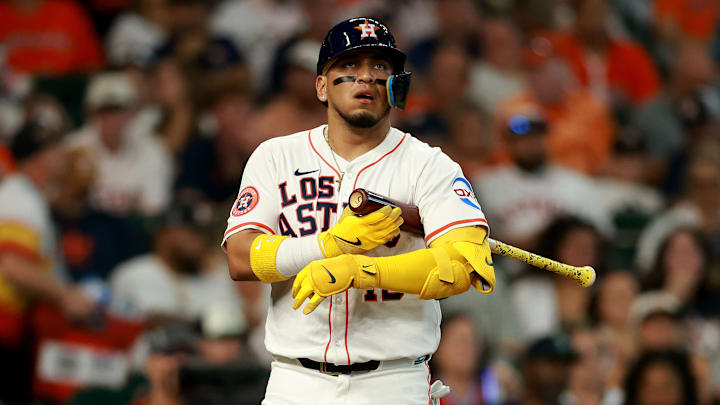
In his view, Paredes doesn’t justify that level of sacrifice. While productive, Paredes is not an elite defender, nor is he a true middle-of-the-order power threat.
He’s steady, versatile, and useful — but not transformational. Giving up a cost-controlled everyday outfielder or a high-upside young pitcher for that profile, McAdam argues, is a mistake.
And he goes further.
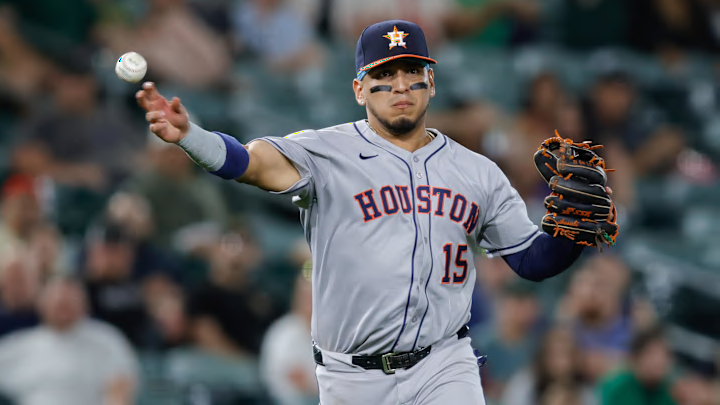
McAdam cautions that Boston’s front office, led by Craig Breslow, must be careful not to chase “fit” at the expense of value.
Overpaying for the sake of filling a vacancy left by Bregman could create longer-term problems — especially if the return doesn’t materially elevate the team’s ceiling.
From Houston’s side, the calculus is simpler.
The Astros don’t need to trade Paredes. He has two years of team control remaining, and the organization has openly discussed experimenting with him at different positions. Waiting costs them nothing. Moving him only makes sense if the return is significant.
That leverage explains why any deal with Boston would almost certainly favor Houston.
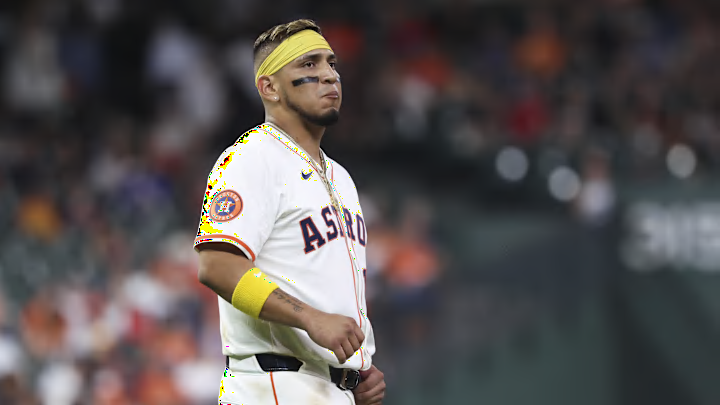
As spring training approaches, the dynamics shift. Time pressure increases for teams trying to solve roster holes. But it decreases for teams content to stand pat.
The longer this drags on, the less incentive the Astros have to compromise — and the more pressure builds on Boston to decide what it’s truly willing to give up.
That’s why the red flags matter now.
This isn’t a question of whether Paredes is a good player. He is. It’s a question of whether he’s worth surrendering players who could anchor the next version of the Red Sox roster.
For Houston, any trade here would be opportunistic.
For Boston, it could be consequential.
And as one insider is now warning, that imbalance might be enough to make walking away the smartest move of all.
Leave a Reply