For much of the past several seasons, the Philadelphia Phillies have leaned heavily on one strength: their starting rotation.
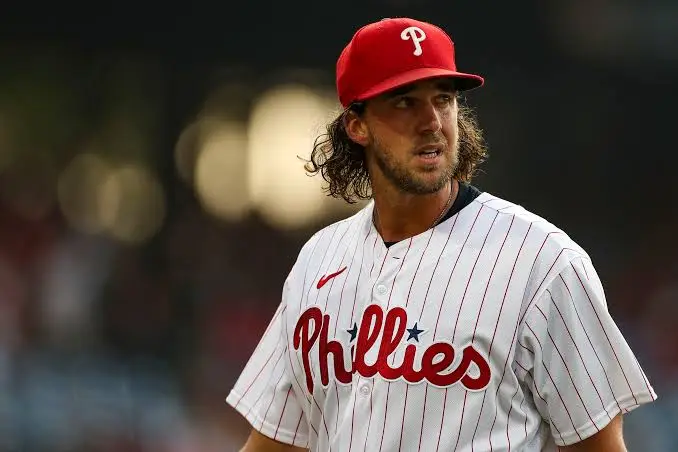
That group has served as the backbone of the team’s success during its recent playoff runs. But heading into the 2026 season, the foundation that once felt so dependable suddenly comes with more uncertainty than it has in years.
Veteran baseball writer Jayson Stark recently highlighted those concerns, suggesting the Phillies’ biggest asset could also become one of their biggest vulnerabilities.
A Rotation Undergoing Major Change
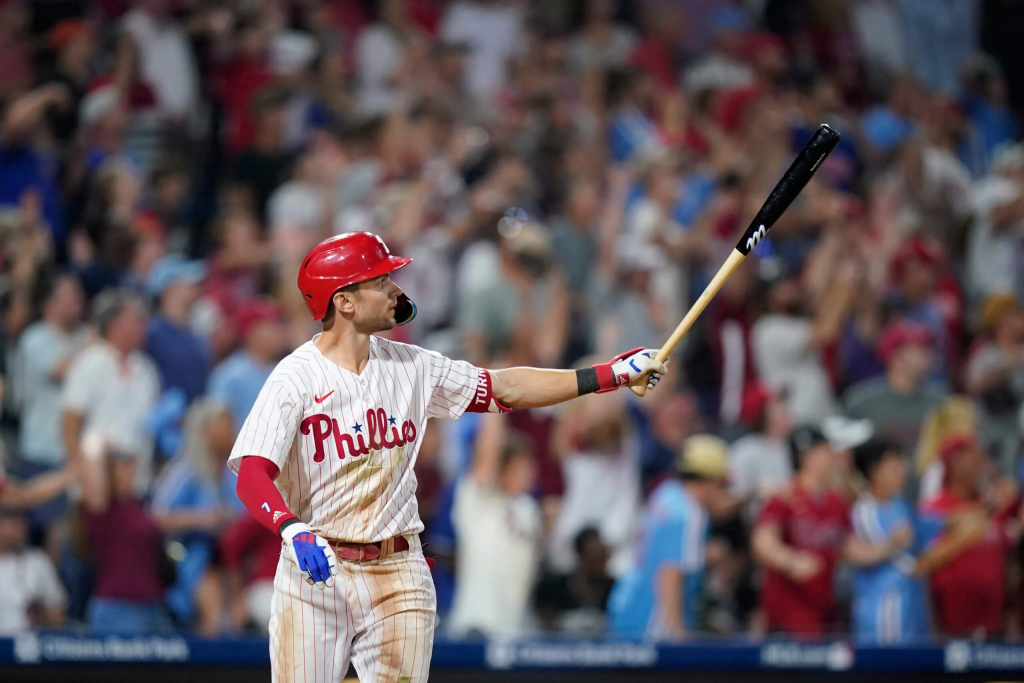
Philadelphia’s pitching staff looks noticeably different this year.
Ranger Suárez departed in the offseason after signing with the Boston Red Sox, removing one of the club’s most reliable arms. At the same time, the structure of the rotation itself is shifting.
Cristopher Sánchez and offseason addition Jesús Luzardo now sit at the top of the group. Meanwhile, top prospect Andrew Painter is expected to make his long-awaited debut as part of the starting staff.
Those changes alone would create questions for most teams.
But the Phillies also face a major unknown involving their longtime ace.
Zack Wheeler’s Recovery Looms Large
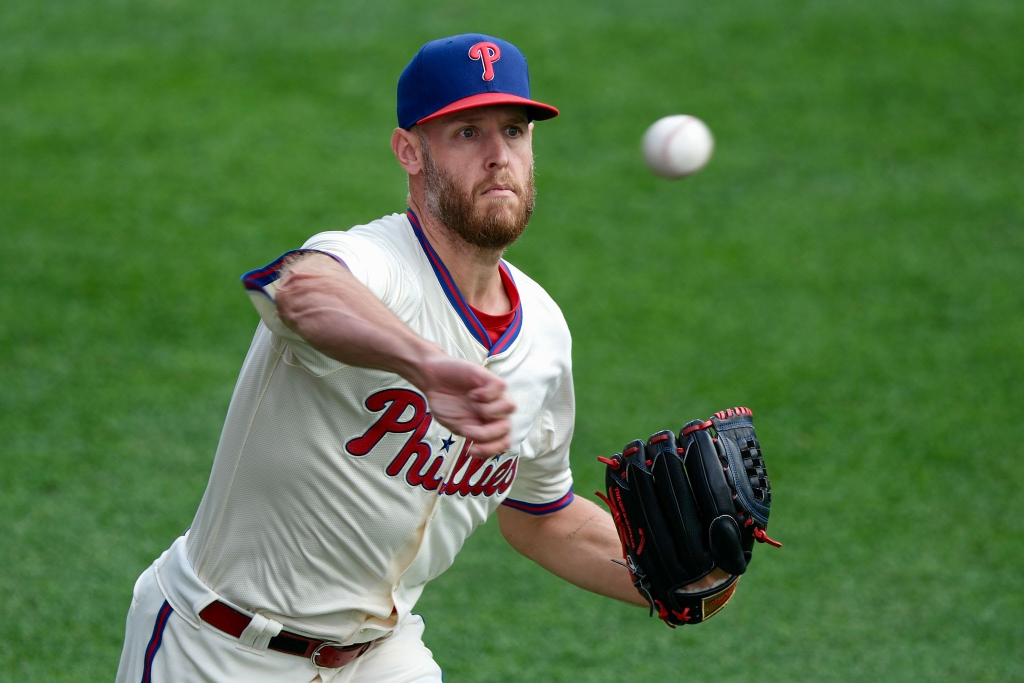
Zack Wheeler’s 2025 season ended abruptly after he developed a blood clot in his right arm. The issue required surgery, and doctors later diagnosed him with venous thoracic outlet syndrome — a condition that required an additional procedure.
The veteran right-hander is expected to return sometime after Opening Day, but predicting how quickly he will regain his elite form remains difficult.
Speaking during a March 4 appearance on 97.5 The Fanatic, Stark acknowledged Wheeler’s confidence in his recovery but emphasized the uncertainty surrounding his return.
“Cristopher Sánchez and Jesús Luzardo look great,” Stark said. “But when does Zack Wheeler come back? And are we sure he’ll be the same when he does? There’s a wide range of outcomes with that surgery.”
Even if Wheeler returns early in the season, it may take time for him to rediscover the dominance that defined his previous campaigns.
New Leaders Emerging in the Rotation
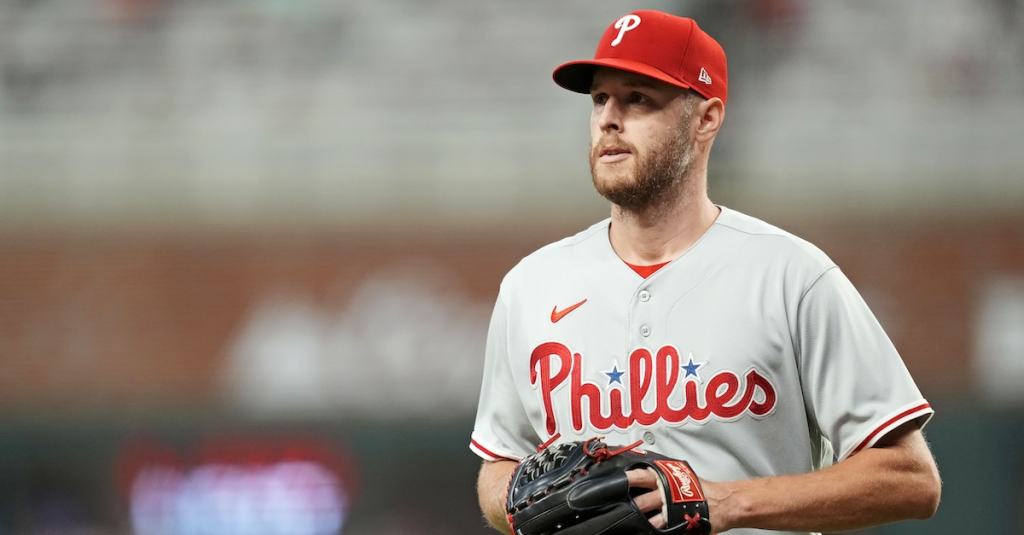
Fortunately for Philadelphia, the team may not need Wheeler to immediately carry the rotation.
Cristopher Sánchez made a massive leap last season, finishing as the runner-up for the National League Cy Young Award. Luzardo also brings stability after joining the club in the offseason and establishing himself as a dependable starter.
Their emergence helps reduce some of the pressure surrounding Wheeler’s recovery.
Still, the rest of the rotation carries its own set of questions.
What Comes Next for Andrew Painter?
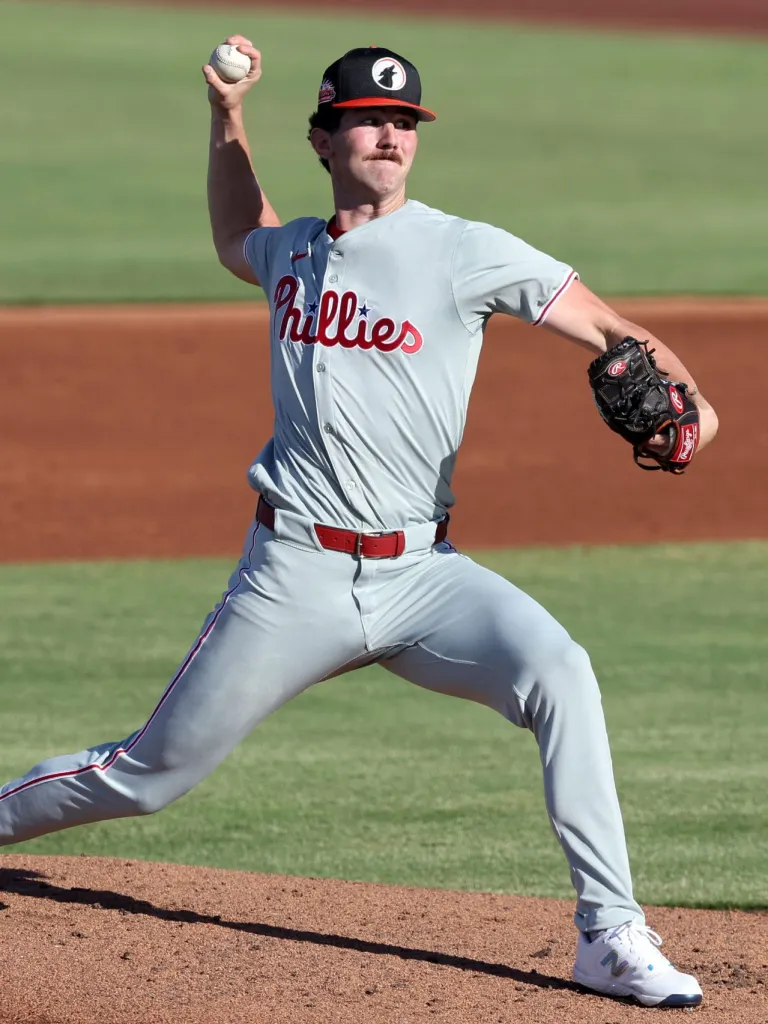
One of the most intriguing storylines involves Andrew Painter.
The highly regarded prospect will be stepping into the majors for the first time, and like most rookies, he is likely to experience both highs and struggles throughout his debut season.
Painter’s talent is undeniable, but relying on a young pitcher in a competitive rotation can bring unpredictability.
Meanwhile, Aaron Nola remains another key figure in the equation.
Aaron Nola’s Bounce-Back Is Critical
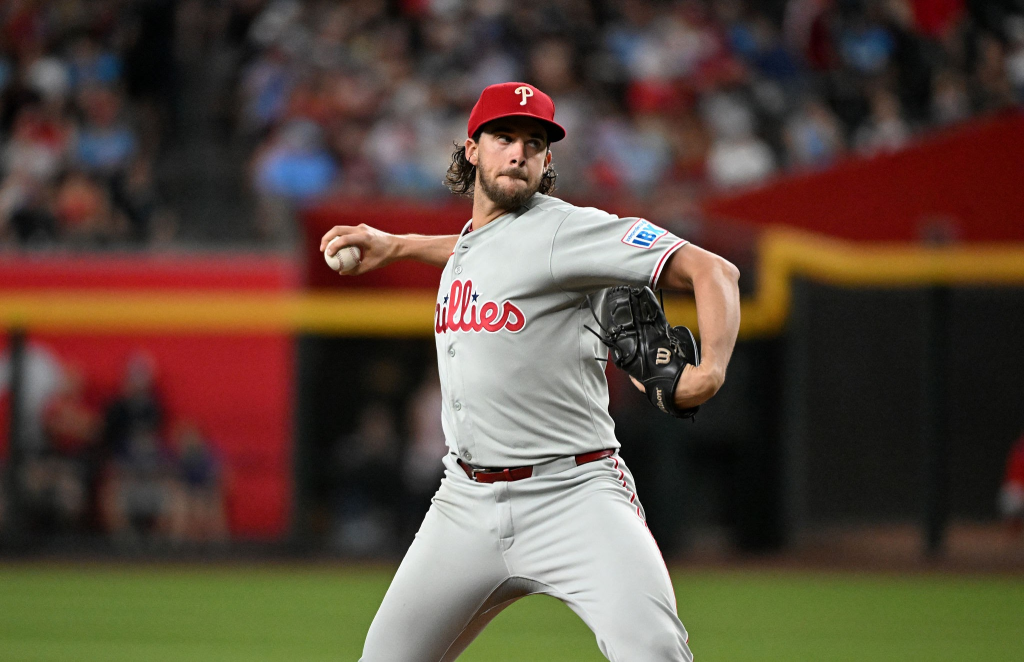
Nola has looked strong during spring training, but his 2025 performance raised some concerns. While he remained healthy for much of the year, he didn’t consistently pitch at the level expected from a top-of-the-rotation arm.
For the Phillies’ pitching staff to function smoothly in 2026, Nola likely needs to return to the form of a reliable No. 2 or No. 3 starter.
If he does, the entire group becomes much more stable.
Depth Could Become a Major Issue
Beyond the primary starters, the Phillies’ rotation depth remains uncertain.
Taijuan Walker remains part of the pitching staff, but the team has reportedly been exploring ways to add additional rotation help. That pursuit reflects the front office’s understanding that injuries or inconsistency could quickly test the staff’s depth.
Adding another pitcher could prove complicated, however.
Many available arms might hesitate to join a roster where they could begin the season in a hybrid role — working out of the bullpen while waiting for a starting opportunity.
A Rotation With Massive Upside — And Risk
Stark summarized the situation bluntly.
Philadelphia believes its rotation could reach an extraordinary level if everything falls into place. In the most optimistic scenario, the Phillies could have five pitchers capable of delivering ace-level performances.
That kind of upside has drawn comparisons to the legendary 2011 Phillies rotation.
But the downside scenario looks very different.
If Wheeler struggles to return to form, Painter experiences rookie growing pains, and Nola fails to rebound, the pitching staff could quickly become unstable.
“The whole season hinges on that,” Stark said.
No Need for Panic — Yet
For now, the Phillies remain confident in the talent they have assembled.
The rotation’s ceiling remains extremely high, and the early signs from spring training have been encouraging for several key pitchers. But until Wheeler returns and the group begins logging regular-season innings, questions will linger.
Philadelphia’s rotation could once again become the team’s greatest strength.
Or it could become the storyline that defines the 2026 season.
Leave a Reply