The Philadelphia Phillies made a risky roster decision to start the season—one that could have easily cost them a familiar and well-liked presence in the clubhouse.
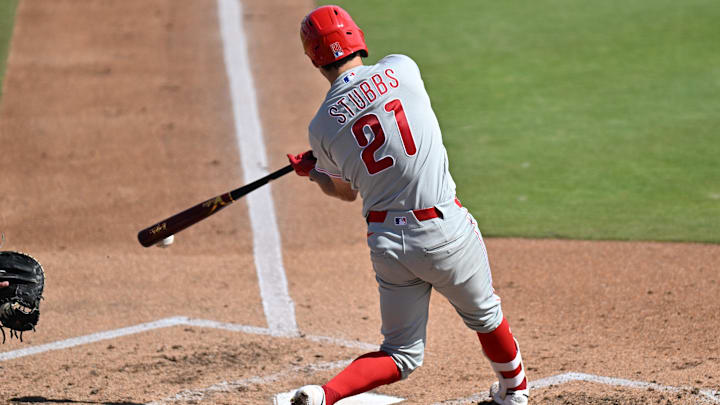
Philadelphia Phillies catcher Garrett Stubbs. | Jonathan Dyer-Imagn Images
Instead, they walked away with the best possible outcome.
After designating catcher Garrett Stubbs for assignment to make room for top prospect Justin Crawford, the Phillies managed to sneak Stubbs through waivers. The result? He remains in the organization, now assigned to Triple-A Lehigh Valley as a depth option.
Given the circumstances, that’s no small win.
Stubbs’ departure from the active roster was always tied to opportunity. Crawford’s arrival created a ripple effect, and because Stubbs was out of minor-league options, the team had no choice but to expose him to waivers.
In many cases, that’s where a player’s tenure ends.
But not this time.
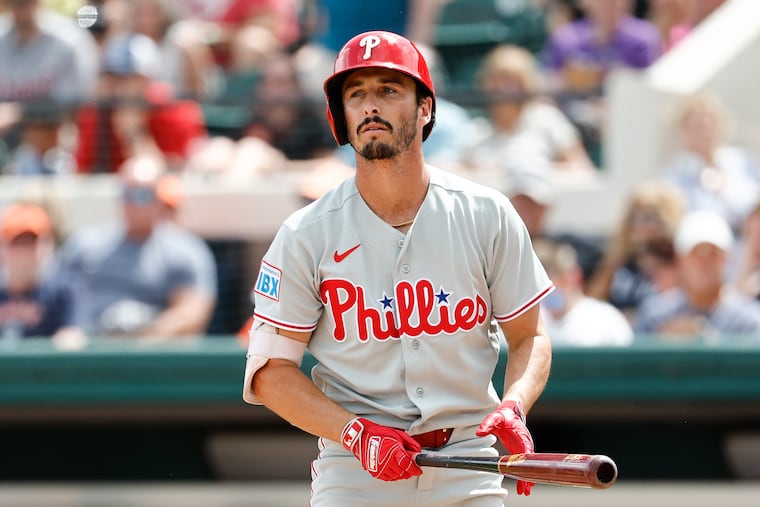
Against the odds, no team claimed Stubbs, allowing the Phillies to retain him without losing a piece that—while not a star—still holds value in multiple ways.
From a roster standpoint, the benefit is clear.
Philadelphia now has experienced catching depth sitting just one level below the majors. If anything happens to starter J.T. Realmuto or backup Rafael Marchán, the Phillies won’t need to scramble—they already have a familiar option ready to step in.
That kind of insurance matters over a long season.
Stubbs brings more than just availability.

Across four seasons with the Phillies, he’s appeared in over 150 games, building relationships with pitchers and establishing himself as a reliable defensive presence. While his offensive production has always been limited, his ability behind the plate has remained steady.
And for a contending team, that balance can be enough.
Offensively, expectations are modest.
Stubbs owns a career 70 wRC+ and has struggled to get on base consistently. But in a lineup as deep as Philadelphia’s, that’s less of a concern for a backup or emergency option.
Defensively, however, he holds his own.
His framing and blocking metrics have hovered around league average, and his pop time has consistently rated among the better marks at his position. Those are the traits that keep teams interested—especially when injuries force midseason adjustments.
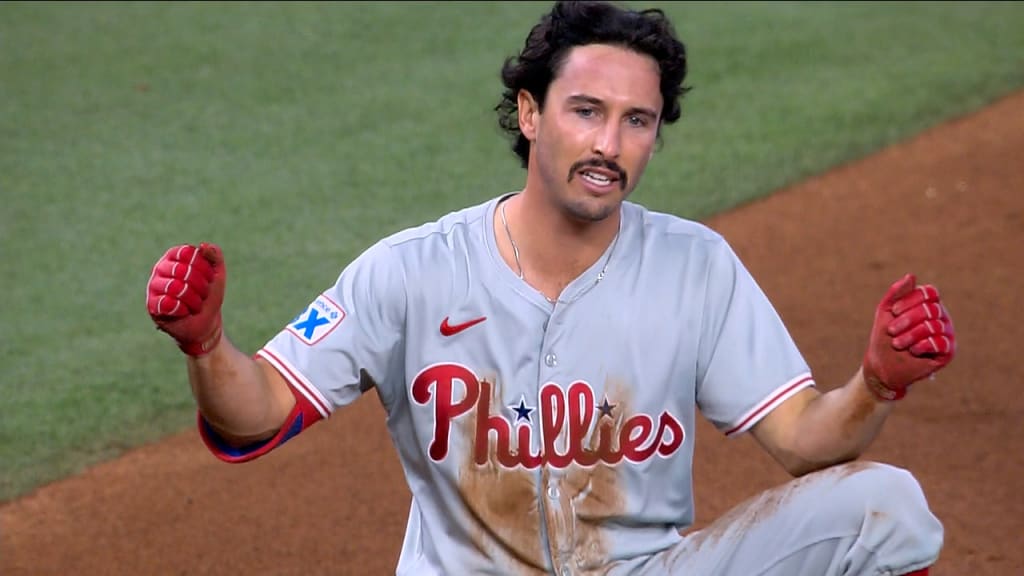
There’s also another angle to consider.
The Phillies explored trade possibilities for Stubbs late in spring training, and while nothing materialized, that door isn’t closed. Catching depth is always in demand, and it only takes one injury elsewhere in the league to create a market.
For now, though, the plan is simple.
Stubbs will handle duties in Triple-A, where he’s expected to see regular playing time and stay ready if needed. It’s not the spotlight role he held in Philadelphia, but it keeps him close—and keeps the Phillies covered.
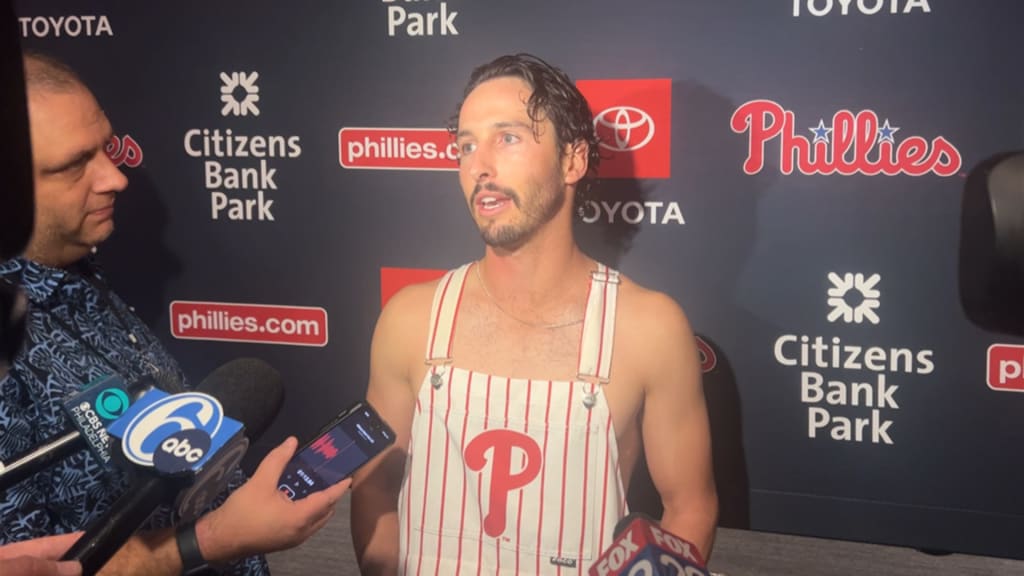
In a game where roster decisions often come with consequences, this is one Philadelphia managed to navigate perfectly.
They took the risk.
And somehow, they didn’t lose a thing.
Leave a Reply