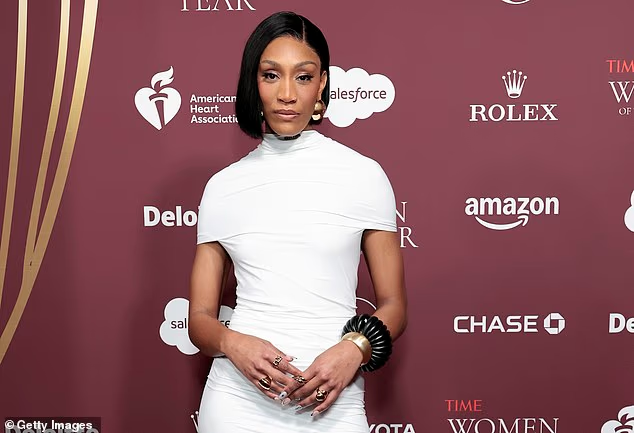
A’ja Wilson Reflects on Caitlin Clark’s Rise and the Historical Legacy of Women’s Basketball
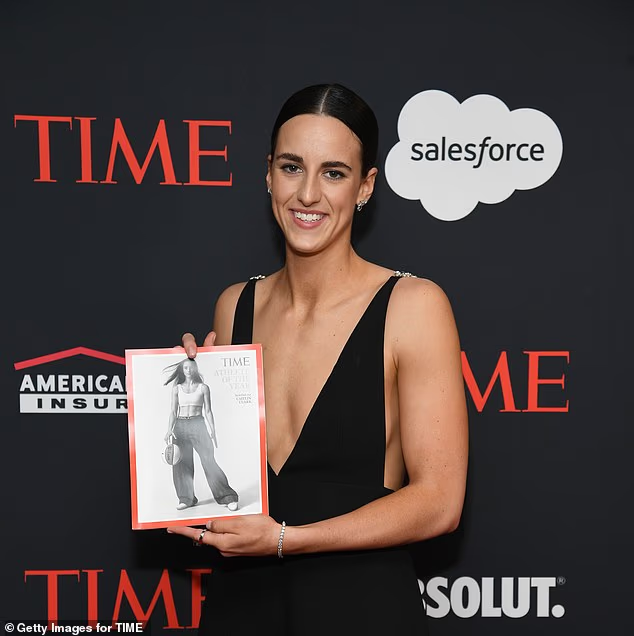
After being named Time’s Athlete of the Year for 2025, WNBA superstar A’ja Wilson has spoken candidly about the challenges she perceives in the league’s narrative following the emergence of Indiana Fever star Caitlin Clark.
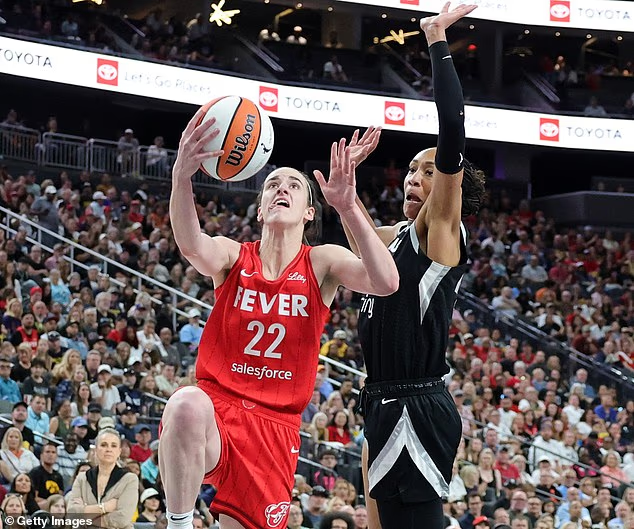
Wilson, a two-time Olympic gold medalist and three-time WNBA champion with the Las Vegas Aces, expressed concerns that Clark’s rapid rise in 2024 temporarily overshadowed the achievements of long-standing players in the league.
“It wasn’t a hit at me, because I’m going to do me regardless,” Wilson told Time. “I’m going to win this MVP, I’ll win a gold medal, y’all can’t shake my resume. It was more so, let’s not lose the recipe. Let’s not lose the history. It was erased for a minute. And I don’t like that
. Because we have tons of women that have been through the grimiest of grimy things to get the league where it is today.”
Wilson previously addressed the issue of race in Clark’s surging popularity in May 2024, suggesting that white privilege may have contributed to Clark’s rapid marketability at the expense of black players. “You can be top notch at what you are as a black woman, but yet maybe that’s something that people don’t want to see… That’s why it boils my blood when people say it’s not about race, because it is,” she said.
Despite Clark missing most of the 2025 season due to injury, WNBA viewership grew—a development Wilson celebrated as proof of the league’s resilience.
“Sometimes you need a proof in the pudding,” she said. “The biggest thing for us, and why I was so happy, is that we continue to rise to the occasion. This was just a matter of time for us to really bloom and blossom.”
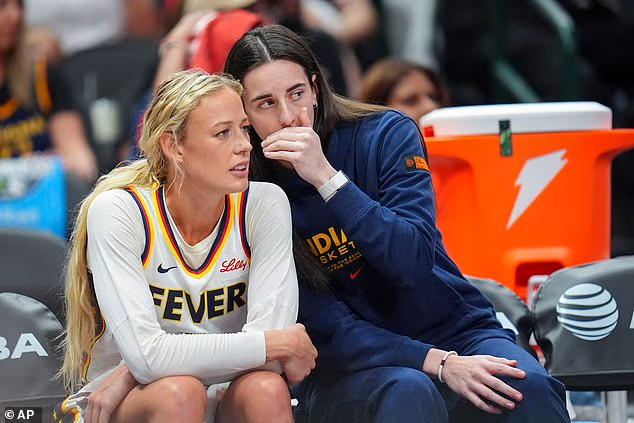
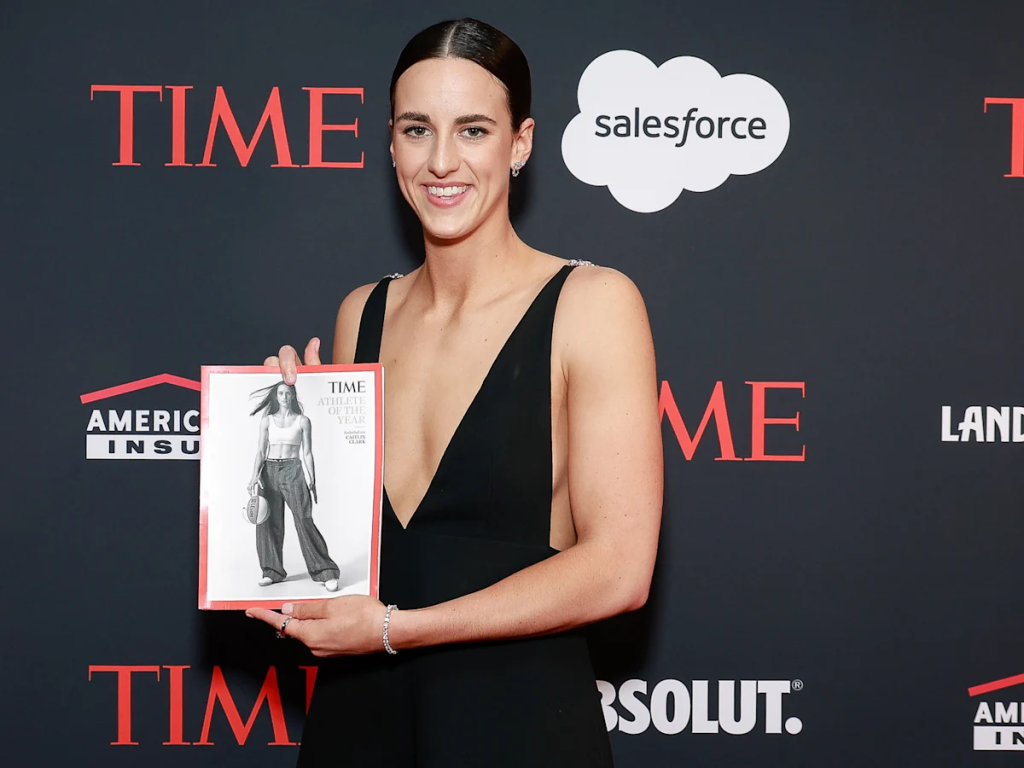
Clark, for her part, has acknowledged her privilege in attaining rapid recognition and has emphasized the importance of elevating black women in the sport. “A lot of those players in the league that have been really good have been black players.
This league has kind of been built on them… The more we can elevate black women, that’s going to be a beautiful thing,” she said.
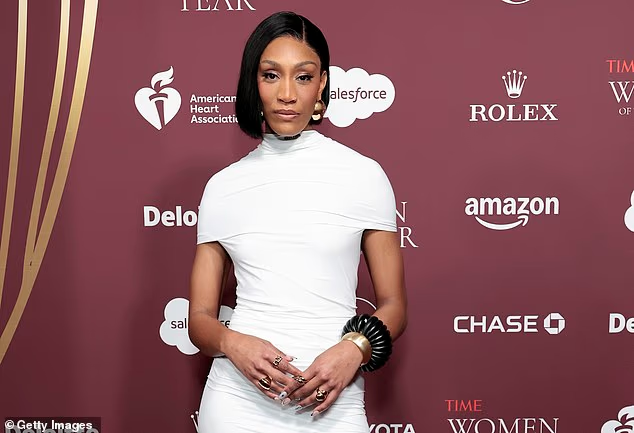
As Wilson celebrates her accolade, her comments underscore a deeper conversation about recognition, race, and legacy in women’s basketball—a dialogue that continues to shape the league today.
Leave a Reply