With Opening Day a month away, most front offices have shifted into evaluation mode.
The White Sox are no different. After an active offseason that reshaped parts of the roster, Chicago appears content heading into camp with its current pitching mix.
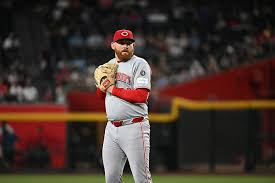
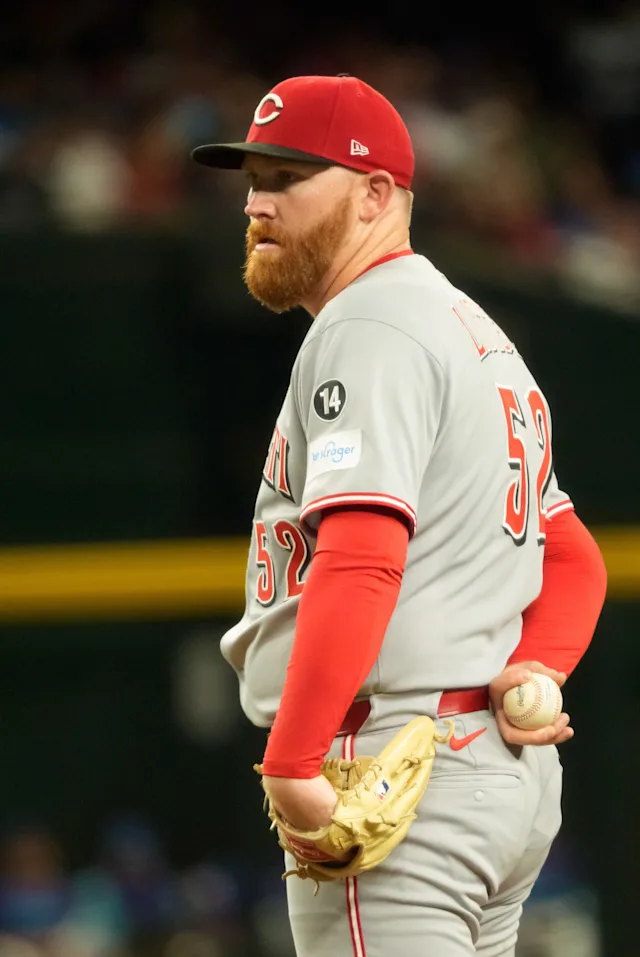
But one name lingering in free agency could complicate that comfort level: Zack Littell.
While Lucas Giolito remains a higher-profile free agent, Littell may be the more practical fit for what the White Sox actually need — durability, flexibility, and stability at the back of the rotation.
It’s puzzling he’s still unsigned.
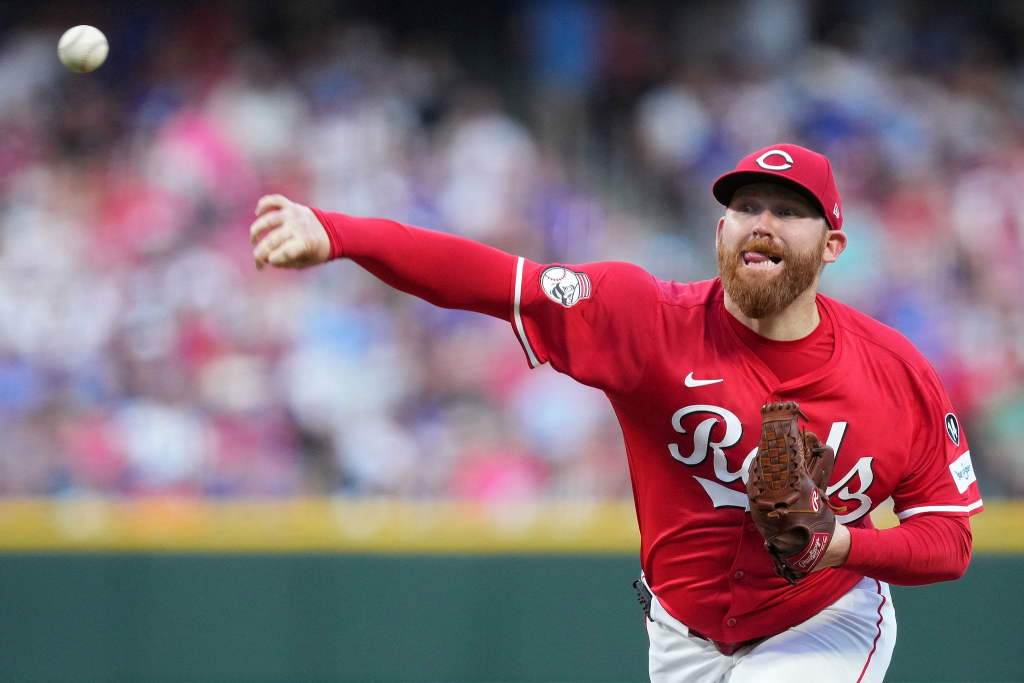
Since transitioning into a full-time starter, Littell has thrown 150+ innings in each of the last two seasons. He posted a 3.63 ERA in 2024 and followed it with a 3.81 ERA in 2025 split between Tampa Bay and Cincinnati. He’s not overpowering, but he commands a fastball-slider-splitter mix effectively and limits walks.
For a team trying to take a step forward without overextending young arms, that profile has real value.
Chicago’s projected rotation — Shane Smith, Davis Martin, Anthony Kay, Erick Fedde, and a fifth-spot battle featuring Sean Burke, Sean Newcomb, and Mike Vasil — is full of potential. It’s also full of volatility.

Smith is coming off a breakout season but still refining his secondary pitches. Martin’s underlying metrics suggest regression risk. Kay is a wild card after returning from Japan. Fedde is seeking a bounce-back. And the fifth spot remains unsettled.
Last season, the White Sox used 10 different non-opener starters.
That reality doesn’t disappear simply because it’s February.
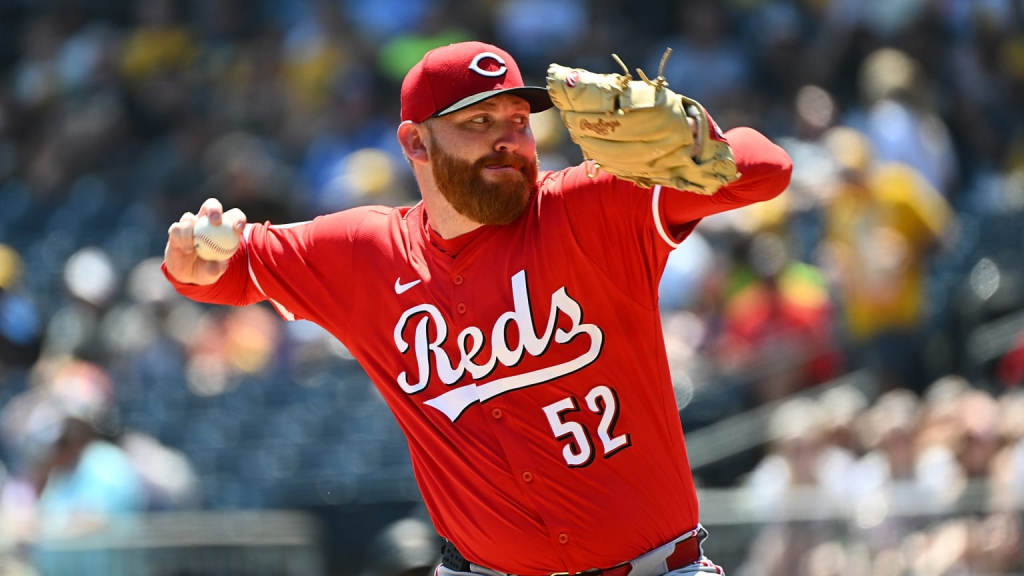
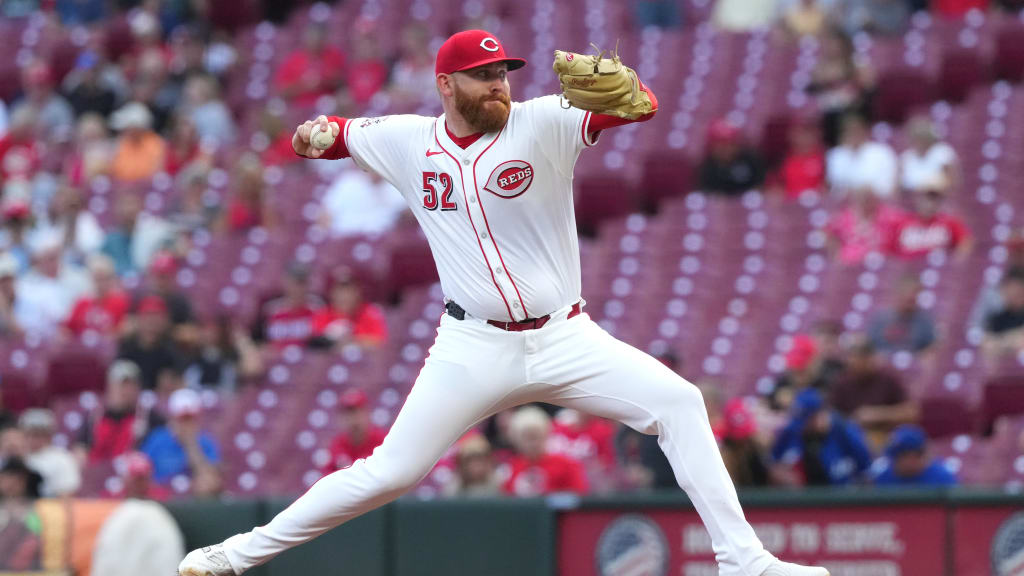
Littell would offer more than just depth. He’s experienced both as a starter and reliever, giving manager Will Venable flexibility if roles need to shift. He could absorb innings early if a young pitcher struggles or later if injuries strike — which, historically, they do.
There’s also a longer view.
If Chicago finds itself in the playoff conversation, Littell stabilizes the middle of the rotation. If they fade, a durable, affordable veteran becomes a July trade asset.
The cost likely isn’t prohibitive at this stage of the market.
The bigger question is philosophical: do the White Sox believe strongly enough in their internal competition to pass on outside reinforcement?
Teams like the Twins or Braves, already dealing with pitching injuries, may ultimately act first. But if Littell’s market continues to soften, the value proposition shifts in Chicago’s favor.
General manager Chris Getz may be focused on evaluating the roster he built.
Still, overlooking a proven 150-inning arm in a season where pitching depth will define progress could be a gamble.
Sometimes the best late-offseason move isn’t flashy.
It’s simply too practical to ignore.
Leave a Reply