Jeremy Peña looks ready — at least on the surface.
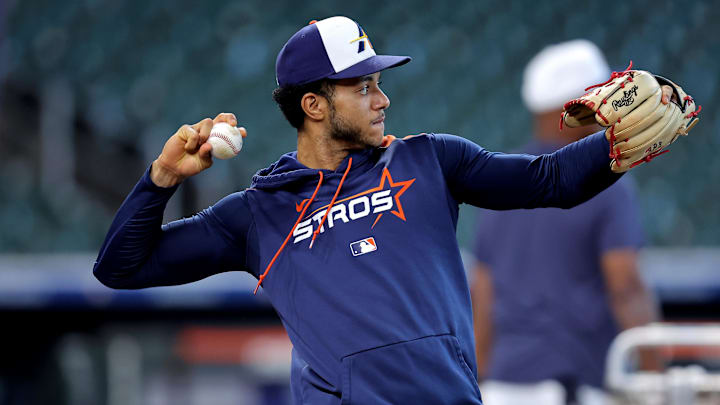
Houston Astros shortstop Jeremy Pena (3) warms up | Erik Williams-Imagn Images
After missing time with a finger injury, the Astros shortstop returned to action and made an immediate impression, launching a home run in a recent exhibition game. It was the kind of moment that reassures both fans and coaches.
But the bigger question isn’t whether Peña can play on Opening Day.
It’s whether he should.
Peña’s recovery from a small fracture in his right ring finger has progressed well. The injury, suffered while preparing for the World Baseball Classic, sidelined him for much of spring training and limited his ability to fully ramp up.
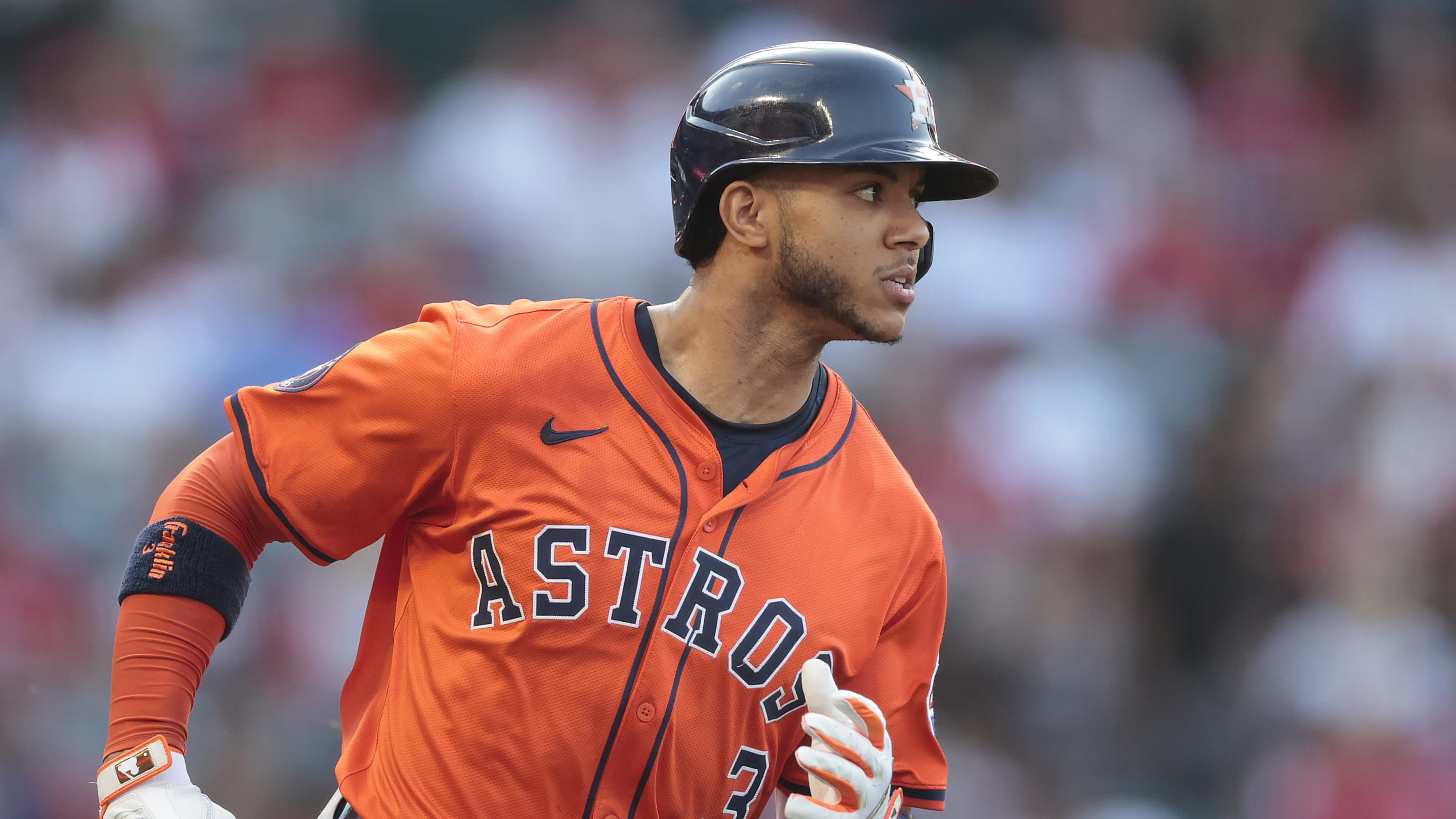
Now, despite being cleared and showing flashes of form, he enters the season with just 11 official spring at-bats.
That lack of preparation matters more than one swing.
For most hitters, timing is everything. And after missing weeks of live pitching, jumping straight into regular-season games can create a slow start — or worse, force adjustments under pressure that linger longer than expected.
That’s why a more cautious approach may make sense.
Instead of rushing Peña into the Opening Day lineup, the Astros could opt to place him on the 10-day injured list. With MLB rules allowing backdating, he would only miss a handful of games and could return early in April — potentially with better rhythm and less risk.
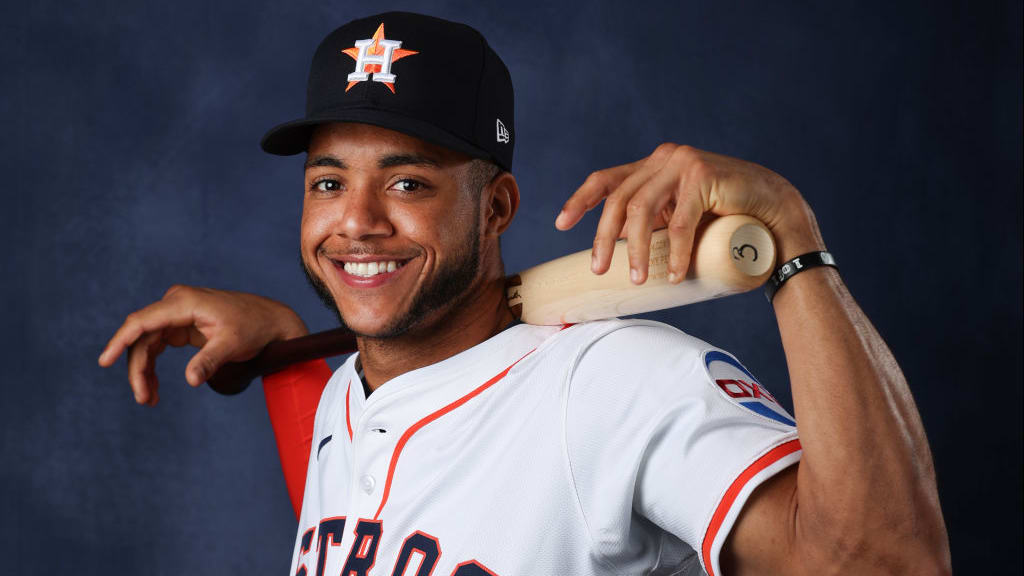
The early schedule supports that strategy.
Houston opens the season against the Angels, a team widely projected to struggle. If the Astros can’t manage that series without Peña at full strength, it raises larger concerns about the roster as a whole.
In other words, the timing couldn’t be more forgiving.
There’s also a developmental angle worth considering.
An early absence from Peña would create an opportunity for prospect Brice Matthews to see meaningful action at shortstop. Matthews has shown promise this spring, posting solid offensive numbers while demonstrating versatility in the field.
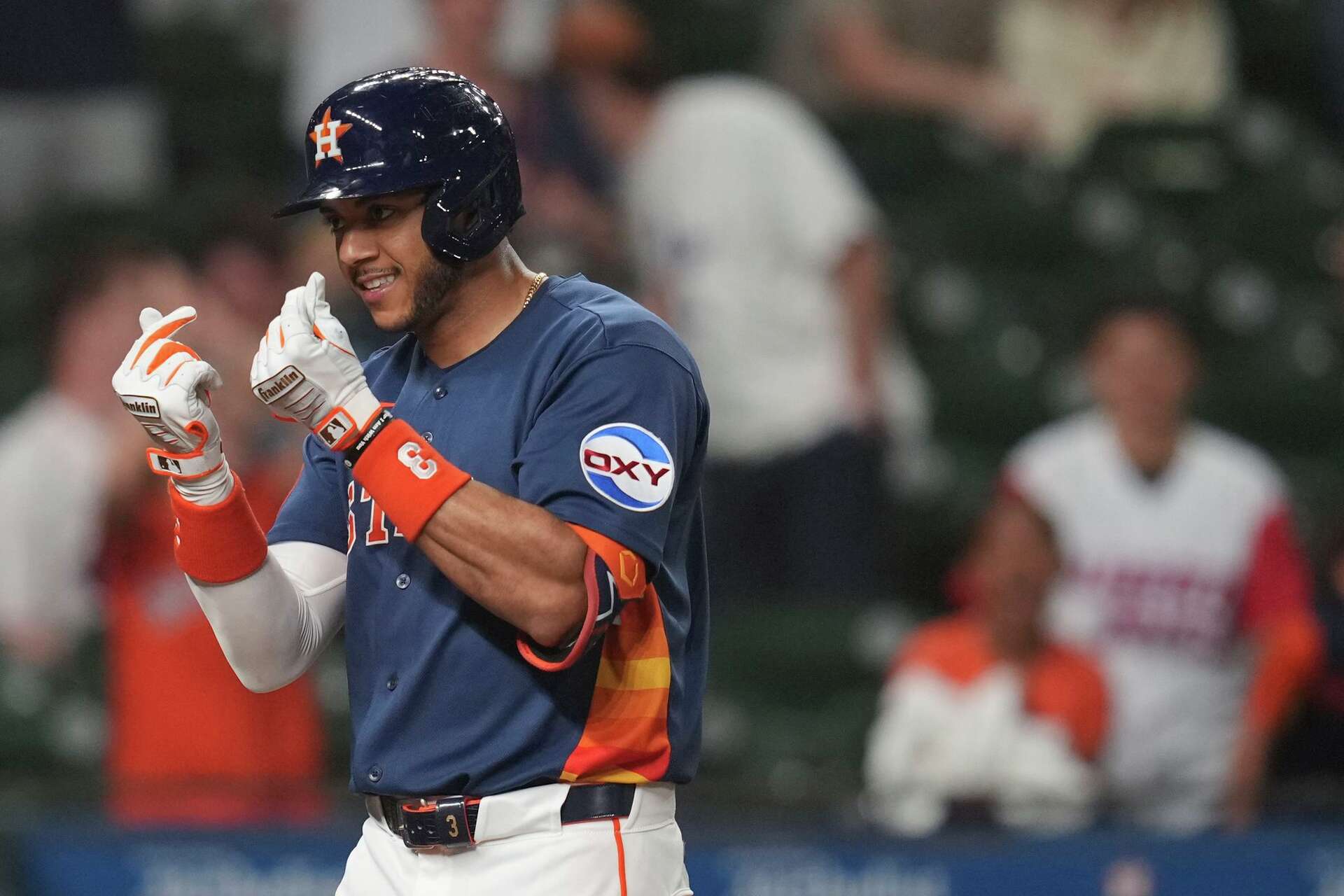
Giving him a brief look in a natural position could provide valuable insight — both for the present and the future.
None of this suggests Peña shouldn’t be part of the Astros’ plans.
He absolutely should be.
But early-season decisions often have ripple effects, and pushing a key player too quickly — even if he feels ready — carries unnecessary risk.
A short delay could help ensure Peña returns at full strength, both physically and mechanically, setting him up for sustained success over the long haul.

Because in a 162-game season, it’s not about being ready for Game 1.
It’s about being ready for the games that matter most.
Leave a Reply