The Houston Astros entered spring training knowing they had an infield puzzle to solve.
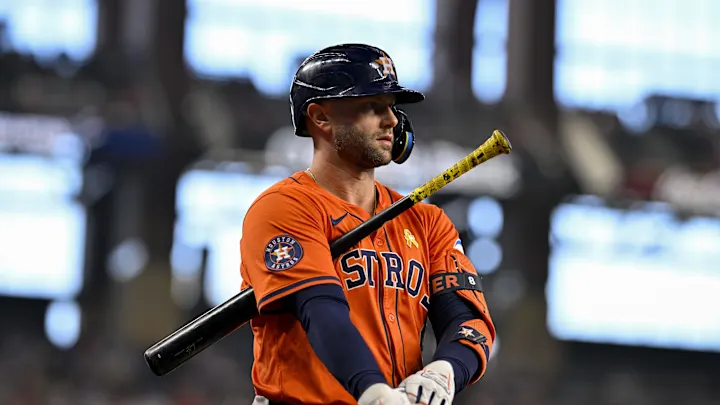
Now, as Opening Day approaches, that puzzle is becoming increasingly complicated — largely because of Christian Walker.
The Astros spent much of the offseason trying to reshape their roster, but one thing they couldn’t do was move Walker’s contract. The veteran first baseman remains under contract at $20 million per season, leaving Houston with limited flexibility when it comes to playing time at first base.
That situation has created an unusual roster dilemma involving one of the team’s best hitters.
Isaac Paredes Has No Clear Position
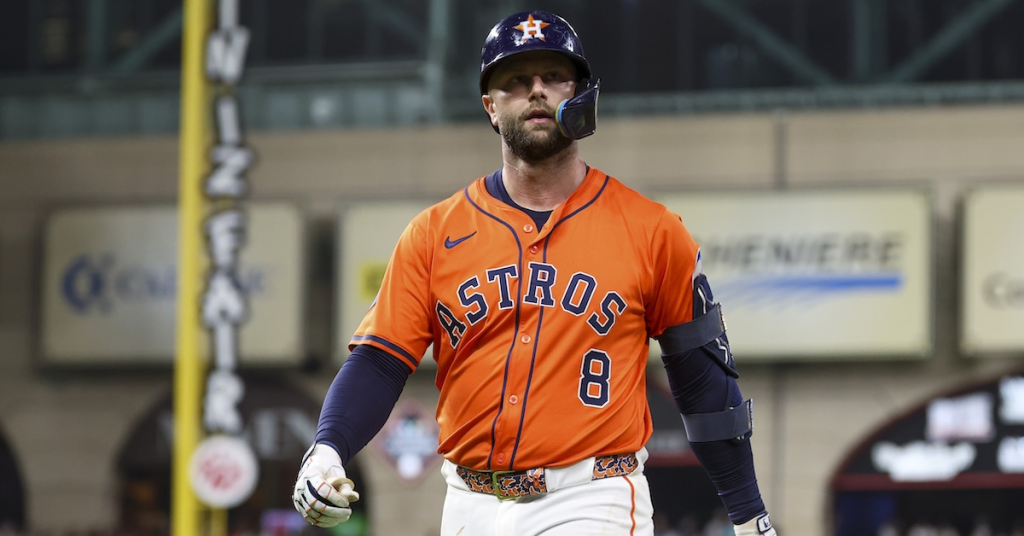
Isaac Paredes, an All-Star in the prime of his career, appears to be the odd man out.
On paper, Paredes is exactly the type of player the Astros should want to keep. His power profile fits well at Daikin Park, and he provides the kind of offensive spark Houston needs as its core roster continues to age.
Yet with Walker occupying first base and earning a significant salary, Paredes suddenly finds himself without a clear everyday role.
Houston has reportedly explored trade possibilities involving Paredes, but the front office is understandably reluctant to move a player with that level of production unless the return is substantial.
As a result, the roster logjam remains unresolved.
Walker’s Spring Struggles Add Pressure
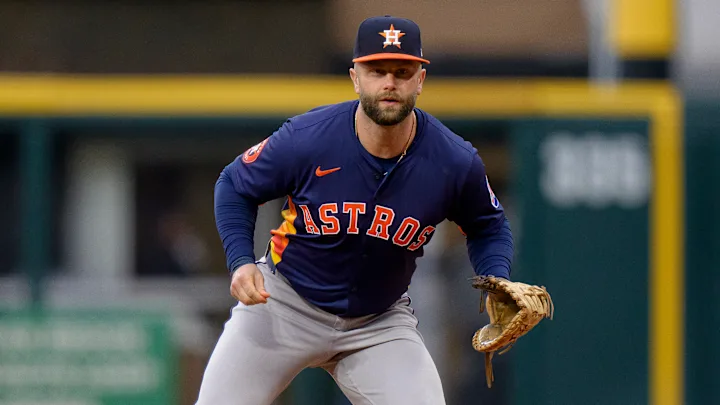
If Walker were thriving this spring, the situation might be easier to manage.
Strong production would justify giving him the majority of the playing time at first base, even if it meant limiting opportunities for Paredes. But that’s not what has happened so far.
Through nine spring training games, Walker has struggled badly at the plate. He’s hitting just .130/.231/.304, numbers that raise uncomfortable questions about whether his decline from last season might be continuing.
For a 35-year-old hitter, those concerns are difficult to ignore.
Was Last Season an Anomaly?
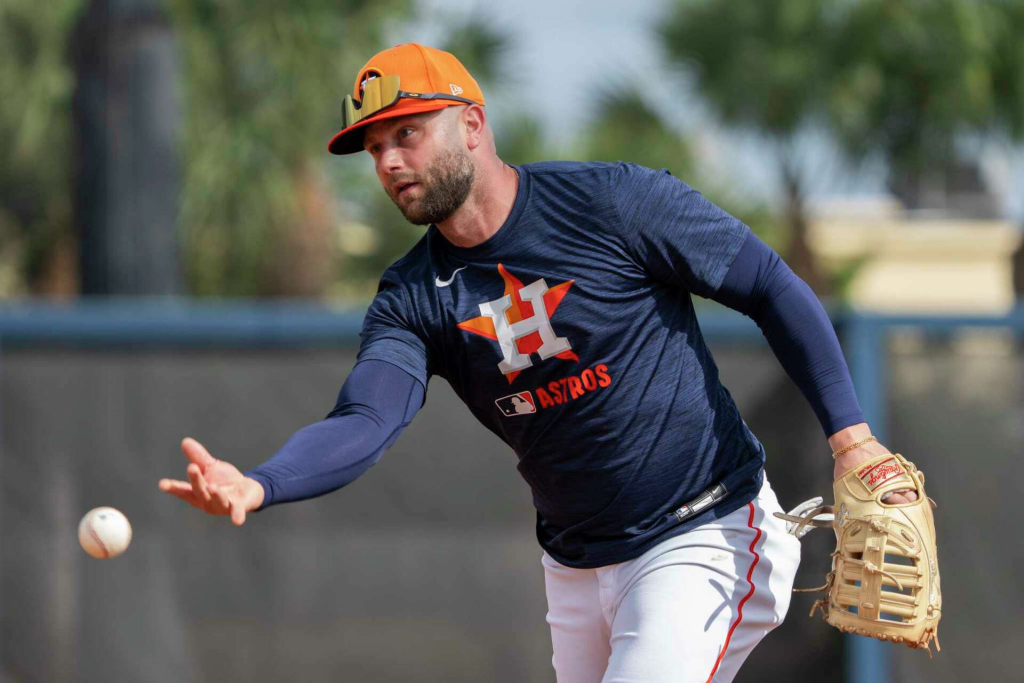
Some observers hoped Walker’s 2025 struggles could be explained by injuries.
He dealt with an oblique issue during the spring and later posted a respectable .799 OPS during the second half of the season. That late surge offered some optimism that his earlier struggles were temporary.
If that theory held true, a strong spring training performance would have gone a long way toward restoring confidence.
Instead, his slow start has reopened doubts about his long-term production.
The Astros Face Tough Choices
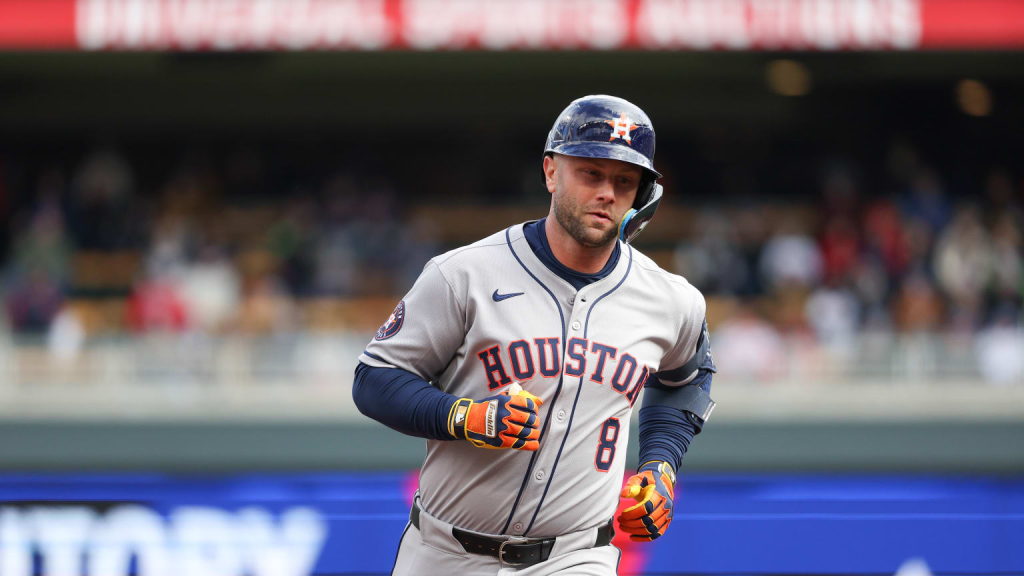
Spring training statistics are always a small sample, and drawing firm conclusions from them can be risky.
But the Astros cannot ignore the broader context.
If Walker continues to struggle once the regular season begins, Houston will face several uncomfortable options. They could continue starting him at first base in hopes that his bat rebounds. They could shift playing time toward Paredes and effectively treat Walker’s contract as a sunk cost.
Or they could attempt a platoon approach — rotating the two players based on performance and matchups.
None of those solutions are ideal.
A Situation That Could Create Tension
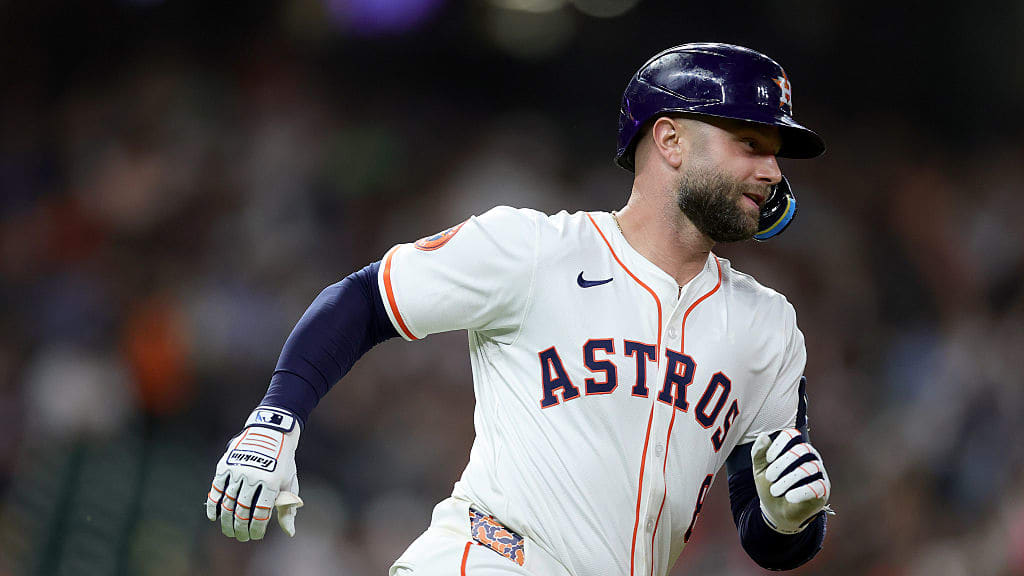
The longer this roster imbalance continues, the greater the risk of internal frustration.
If both players were producing at a high level, the Astros might be able to manage the situation creatively. But if Walker struggles while Paredes remains limited in his opportunities, it could create an awkward dynamic both on the field and inside the clubhouse.
Houston entered the season hoping to extend its competitive window in the American League.
Instead, it may soon find itself navigating an avoidable roster dilemma.
And unless Christian Walker’s bat suddenly heats up, the Astros’ infield situation could remain one of the most complicated storylines of the early season.
Leave a Reply