For years, Jose Altuve has been the heartbeat of the Houston Astros.
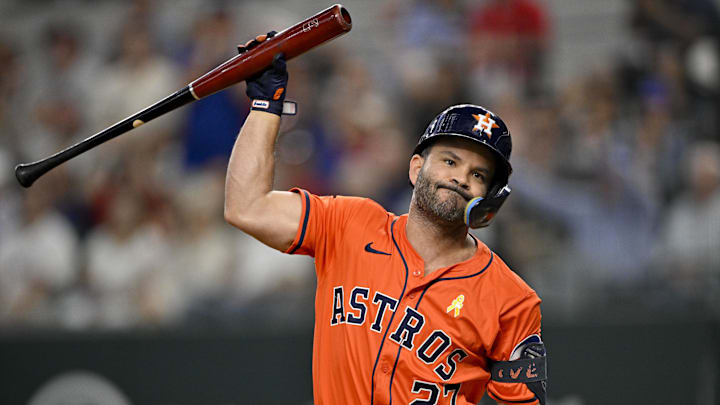
Sep 7, 2025; Arlington, Texas, USA; Houston Astros designated hitter Jose Altuve (27) throws his bat after he strikes out against the Texas Rangers during the eighth inning at Globe Life Field. Mandatory Credit: Jerome Miron-Imagn Images | Jerome Miron-Imagn Images
Even as he moved past his peak, there was always a sense that his game would age gracefully—that his contact skills and instincts would keep him productive deep into his career. But as the 2026 season approaches, that assumption is starting to feel less certain.
And now, the warning signs are getting harder to ignore.
Altuve’s spring training numbers are concerning on the surface. Over a dozen games, he’s struggled to generate consistent offense, posting a slash line that stands out for all the wrong reasons. But it’s not just the results—it’s how those results are happening.
The strikeouts are the biggest red flag.
Throughout his career, Altuve built his reputation on elite bat-to-ball skills. Even in down years, he rarely struck out at an alarming rate. This spring, that’s changed dramatically. His swing-and-miss tendencies have spiked to levels that simply don’t align with the player he’s been for over a decade.
That alone would be worth monitoring.
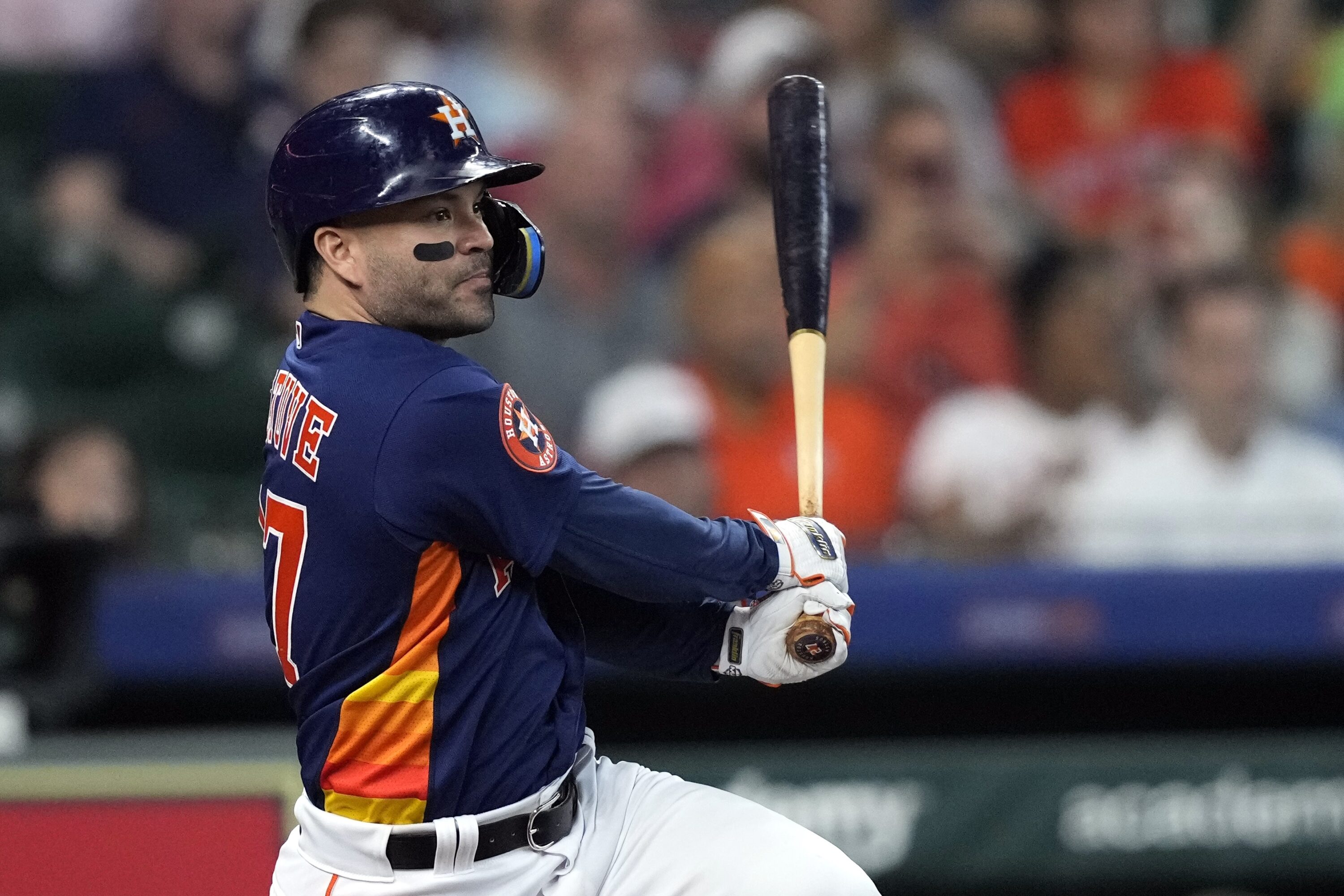
But when placed alongside how his 2025 season ended, it becomes more troubling.
While his overall numbers last year appeared respectable, they were heavily influenced by one dominant stretch in midseason. Outside of that hot run, his production dipped noticeably—particularly in the final two months, when his performance fell below expectations for a player of his caliber.
What we’re seeing now doesn’t feel random.
It feels like a continuation.
Digging deeper only reinforces that concern. Altuve has always been an aggressive hitter, thriving with a free-swinging approach that allowed him to attack pitches early and often. For most of his career, that aggression worked in his favor.
But aging changes the equation.
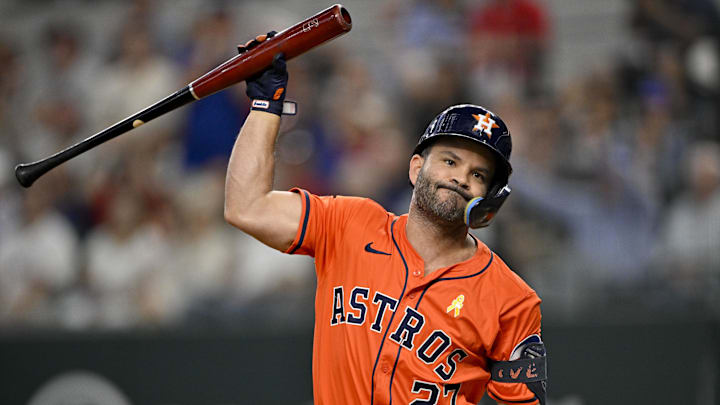
Subtle declines in bat speed can force hitters to adjust, often leading to earlier swings and poorer pitch selection. In Altuve’s case, that adjustment appears to be happening—and not in a good way.
His tendency to chase pitches has increased significantly, especially on offerings well outside the strike zone. These are not borderline pitches that tempt hitters—they’re the kind that are difficult to make meaningful contact with at all.
That shift suggests something deeper than a slump.
It points to a hitter trying to compensate.
As reaction time narrows, the margin for error disappears. Chasing more pitches leads to weaker contact, more strikeouts, and fewer opportunities to drive the ball. It’s a cycle that can accelerate quickly, especially for players entering their mid-30s.
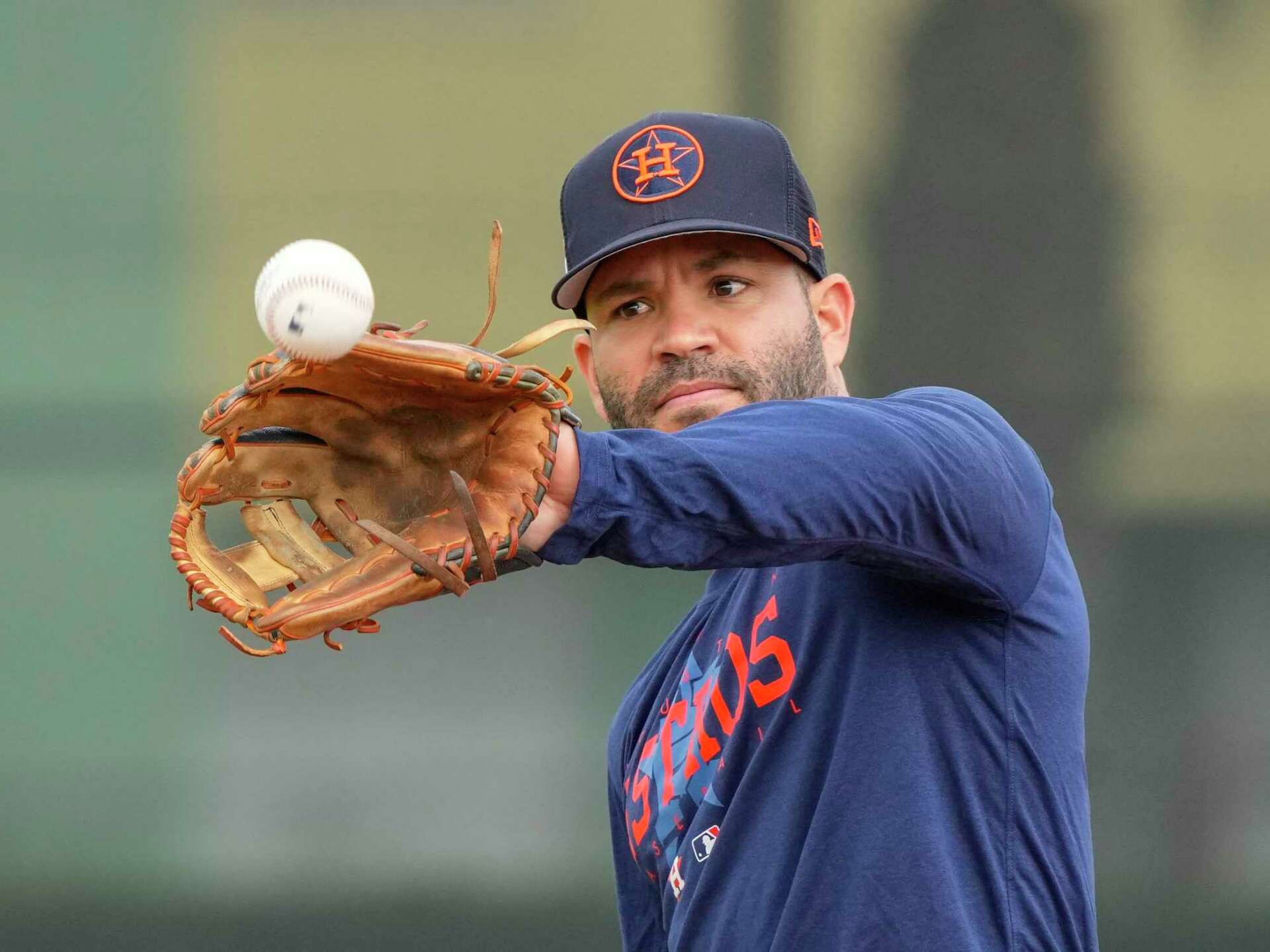
And that’s where the Astros’ concern truly lies.
Altuve isn’t just another veteran—he’s a central figure in the lineup and a symbol of the franchise’s sustained success. If his production takes a significant step back, it doesn’t just affect one position. It reshapes the entire offensive outlook.
There’s still time for him to adjust.
Spring training can be misleading, and experienced players often use it to fine-tune rather than fully perform. But when the trends align with what we’ve already seen over a larger sample, it becomes harder to dismiss.
The Astros are hoping this is just a phase.

Because if it’s not—if this is the beginning of a sharper decline—then one of the most reliable stars of the last decade may be entering a very different chapter.
And Houston’s margin for error may shrink along with him.
Leave a Reply