When Jeremy Peña went down after being hit by a pitch earlier this month, the reaction in Houston was immediate—and uneasy.
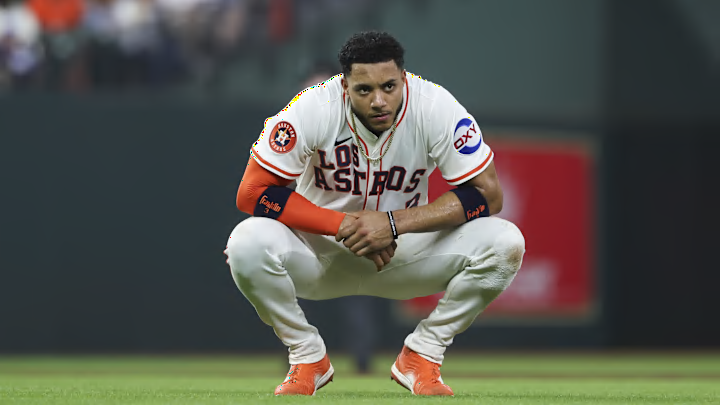
A fractured finger is never good news, especially for a team that already endured its share of injuries last season. For Astros fans, it felt like history repeating itself, recalling the disruption caused by José Altuve’s injury during the 2023 World Baseball Classic.
But as surprising as it may sound, Peña’s absence has created a short-term solution to a problem that had been looming all offseason.
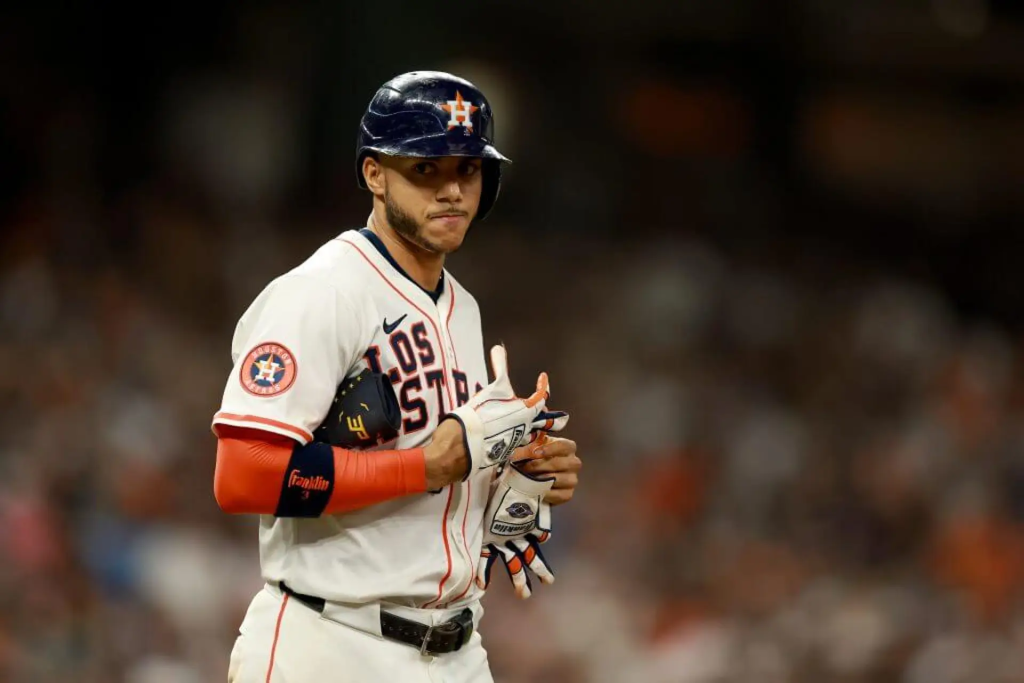
The Astros’ infield had become crowded.
Heading into camp, Houston faced a difficult balancing act. With multiple capable players competing for limited spots, there was no clean way to distribute playing time without either forcing uncomfortable roles or considering a trade involving a player they would have preferred to keep—most notably Isaac Paredes.
Peña’s injury, however, has temporarily cleared that logjam.
With the starting shortstop sidelined, the Astros can shift Carlos Correa back to his natural position and slide Paredes into third base. It’s a straightforward adjustment that allows both players to stay in the lineup without sacrificing roles or rhythm.
At least for now, the pieces fit.
But the situation is far from ideal.
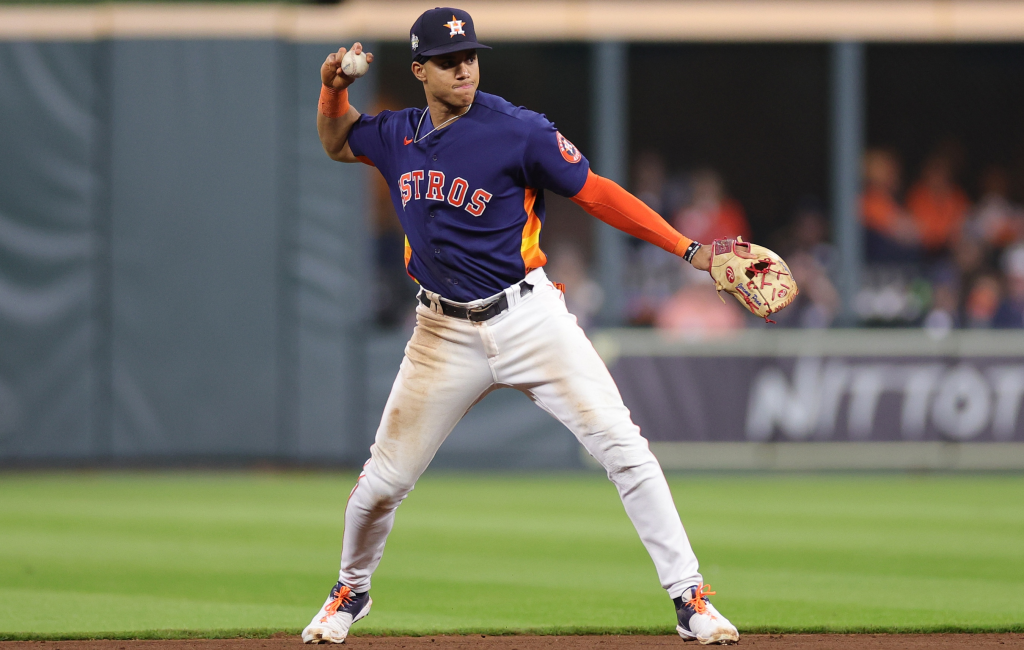
For one, Peña is too valuable to replace comfortably. His defense at shortstop has been a major asset, consistently grading above average. Correa, while experienced, hasn’t matched that level defensively in recent years, making the swap a downgrade in the field even if it solves the lineup puzzle.
There’s also the bigger picture to consider.
This “solution” only exists because one of the team’s best players is unavailable. That’s not a sustainable strategy—and it highlights a deeper roster construction issue that Houston has yet to fully resolve.
In a perfect scenario, this temporary alignment could serve another purpose.
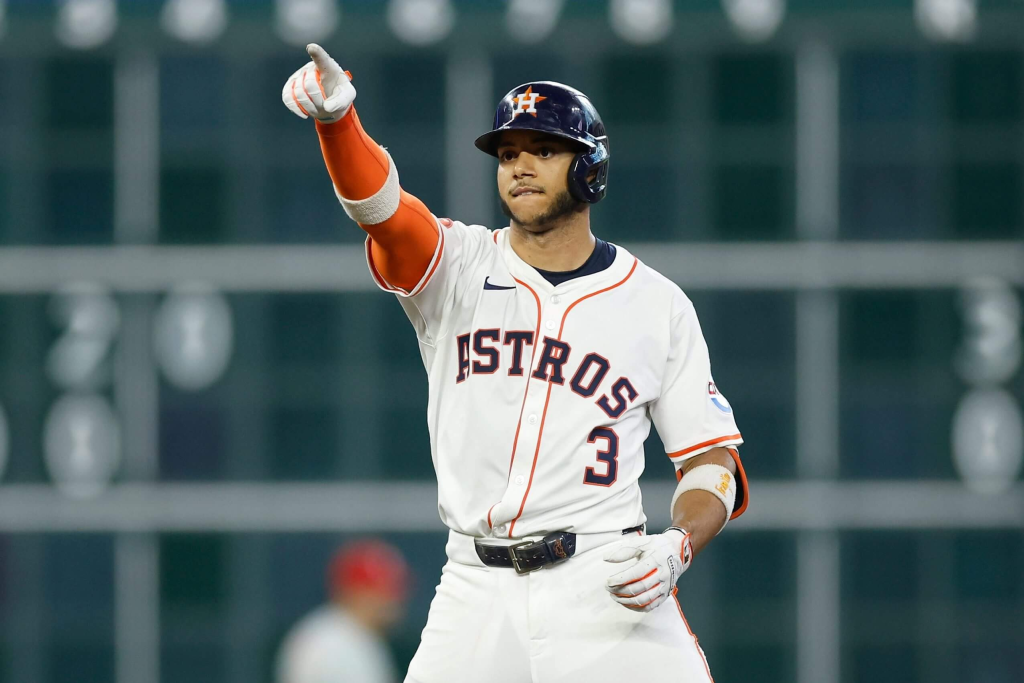
If players like Paredes—or even others competing for infield roles—perform well during Peña’s absence, their value could increase. That might give the Astros more leverage to make a meaningful move and finally address the logjam in a more permanent way.
But that window may be brief.
Early reports suggest Peña’s recovery is progressing quickly. He’s already resumed throwing and could return sooner than expected. If that timeline holds, this reshuffled infield may only last a matter of weeks before the original problem resurfaces.
And when it does, Houston will be right back where it started.
That’s what makes this situation so unusual.
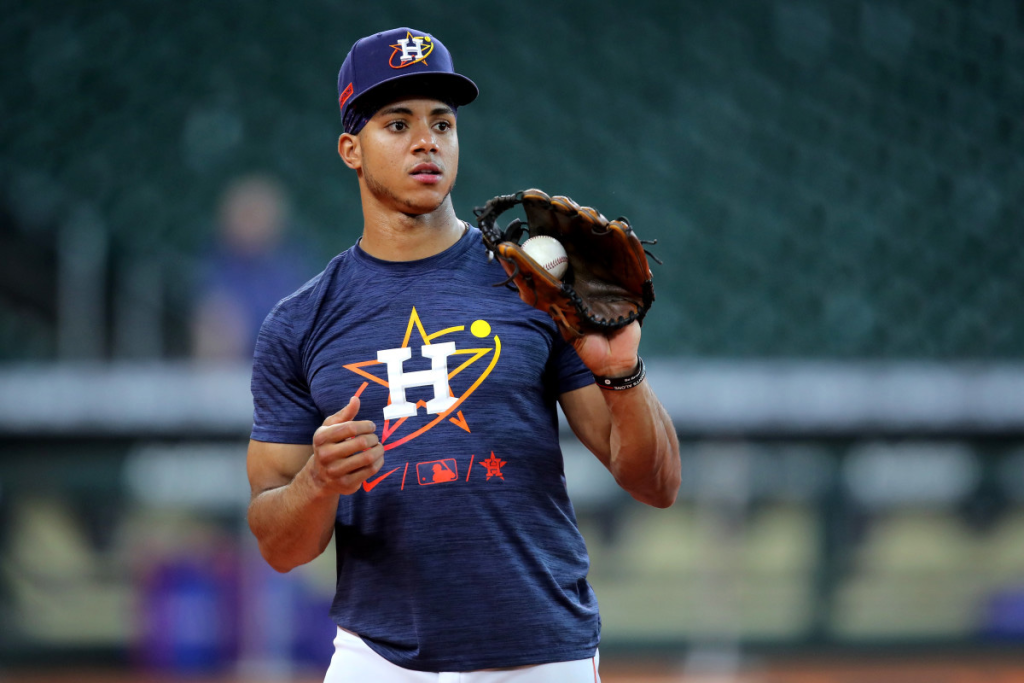
An injury has provided clarity—but only temporarily. It’s a reminder that while roster depth is valuable, too much overlap without a clear plan can create complications of its own.
For now, the Astros have a workable setup.
But once Peña returns, the real decision-making begins again.
Leave a Reply