The Houston Astros are once again facing a roster problem that feels all too familiar.

With Opening Day rapidly approaching, the team still hasn’t resolved a crowded infield situation that has been hanging over spring training. And according to insiders around the organization, the longer it drags on, the more uncomfortable it could become.
Houston’s front office is reportedly motivated to clear the logjam before the regular season begins. But solving the problem isn’t as simple as it sounds.
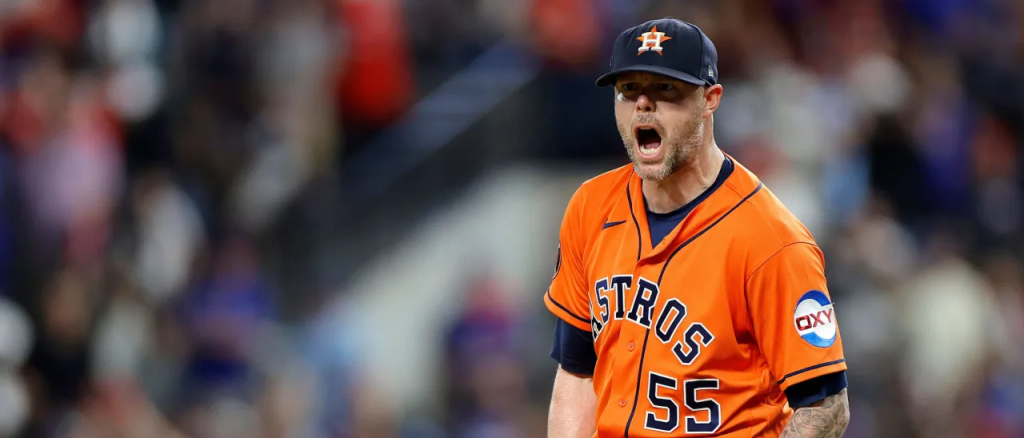
For starters, the Astros are dealing with a group of established veterans who expect regular playing time. Christian Walker has already been open about his desire to be in the lineup every day — and he’s hardly the only one thinking that way.
Keeping too many starting-caliber infielders on the roster isn’t just inefficient. It can quickly create tension inside a clubhouse.
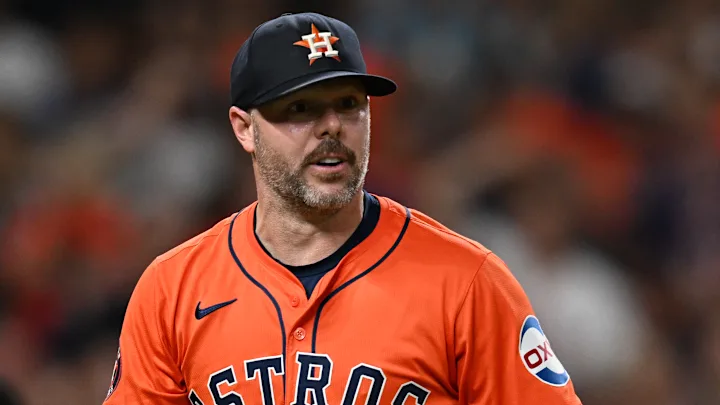
At the same time, moving one of those players could help Houston address another glaring weakness.
The Astros currently face uncertainty in the outfield and lack reliable left-handed hitting throughout the lineup. Outside of Yordan Alvarez, the offense is heavily right-handed. Trading an infielder for a left-handed outfield bat would help balance the lineup while also clearing space in the infield.
In theory, it’s the kind of move that could solve multiple problems at once.
The issue is leverage.

Because Houston’s need to move an infielder has become widely known around the league, rival teams understand that the Astros are under pressure. That reality has made trade negotiations more difficult for general manager Dana Brown.
And if the situation isn’t resolved soon, it could bring back memories of another internal issue the Astros dealt with not long ago.
When Houston signed closer Josh Hader to a massive five-year, $95 million contract before the 2024 season, it pushed longtime closer Ryan Pressly out of his role. Pressly handled the situation professionally in public, but behind the scenes the relationship with the organization deteriorated.
Eventually, the situation ended in a messy breakup.
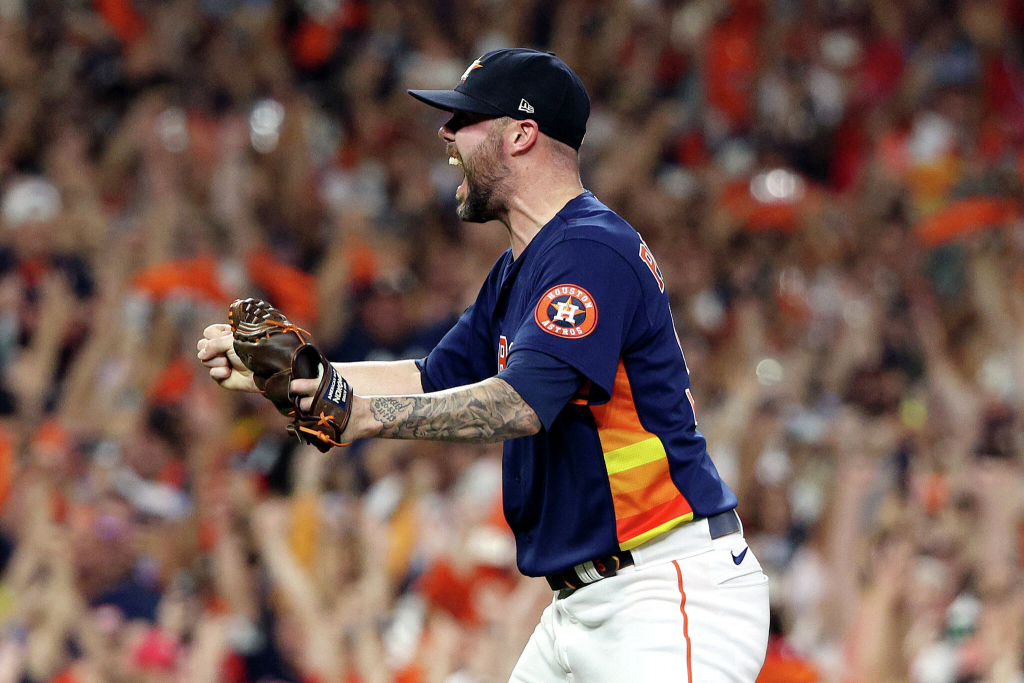
Pressly briefly used his no-trade clause to block a deal before ultimately agreeing to a trade to the Chicago Cubs. The Astros’ return in that deal — pitching prospect Juan Bello — was widely viewed as underwhelming.
It’s the kind of situation Houston would prefer not to repeat.
But the current infield crowding carries some similar risks.
Isaac Paredes is widely viewed as the most likely player to be moved. Ironically, he may also be one of the club’s most productive infielders right now. Yet unless something changes, he could find himself receiving fewer opportunities than older teammates like Walker or Carlos Correa.
That scenario could create understandable frustration.
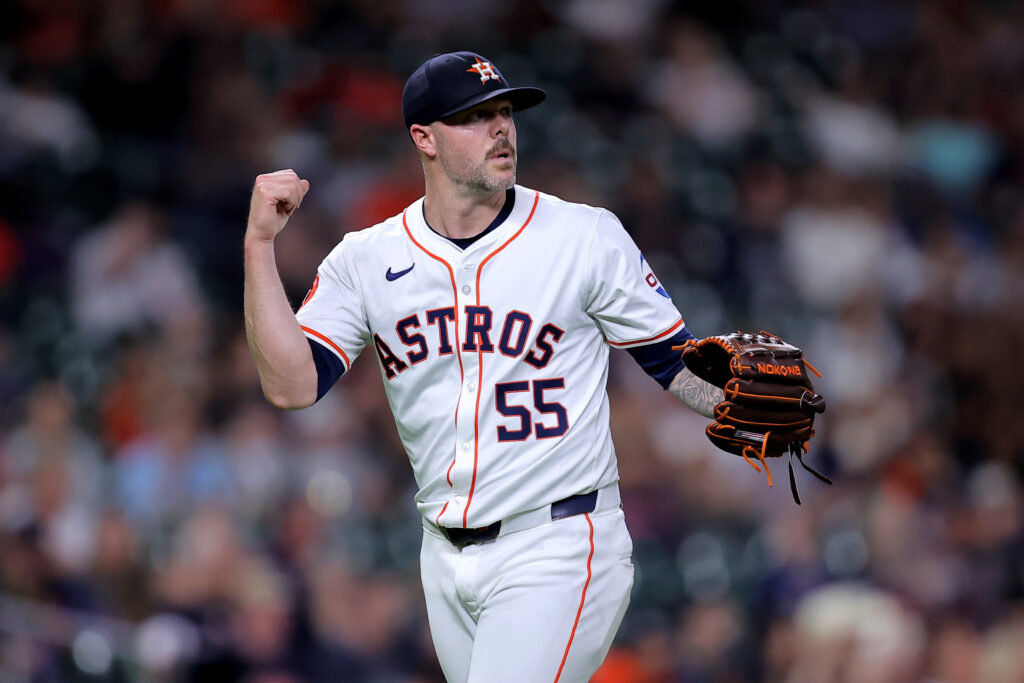
Players in their prime rarely welcome reduced playing time, especially when it could impact their future earning power. Paredes is approaching free agency after next season, and sitting on the bench during a key stretch of his career would hardly be ideal.
From Houston’s perspective, the simplest solution may be to move Paredes now — even if the return falls short of his full value.
While trading a productive player at a discount isn’t ideal, the Astros may determine that it’s a better outcome than allowing clubhouse tension to grow.
The frustrating part for many observers is how the situation developed in the first place.
Last season, Houston traded for Carlos Correa at the deadline when Paredes was injured. The move made sense as a short-term solution. But Correa’s contract runs through at least 2028, making him extremely difficult to move.
What was once a temporary fix quickly became a long-term roster complication.
Now the Astros are left trying to untangle the consequences.
If Houston manages to resolve the infield logjam before Opening Day, the issue may fade quietly into the background. But if it lingers — or worse, disrupts the clubhouse — it could become another lesson in the risks of roster decisions made under pressure.
Leave a Reply