Tatsuya Imai’s MLB debut was always going to be one of the most intriguing moments of the Astros’ early season. Instead, it quickly turned into a test of adjustment, control, and composure.

Tatsuya Imai admitted to encountering “a different environment” in MLB as he struggled with his control and didn’t get past the third inning of his Astros debutBrett Coomer/Houston Chronicle
The right-hander, signed directly from Japan, took the mound in Houston carrying both expectation and curiosity. But against the Los Angeles Angels, the transition to Major League Baseball proved more difficult than anticipated.
Imai lasted just 2 2/3 innings, allowing four runs while struggling to command the strike zone. He threw 74 pitches but couldn’t establish consistent control, walking four batters and falling behind too often. By the time he exited, the Astros were already forced into heavy bullpen usage.
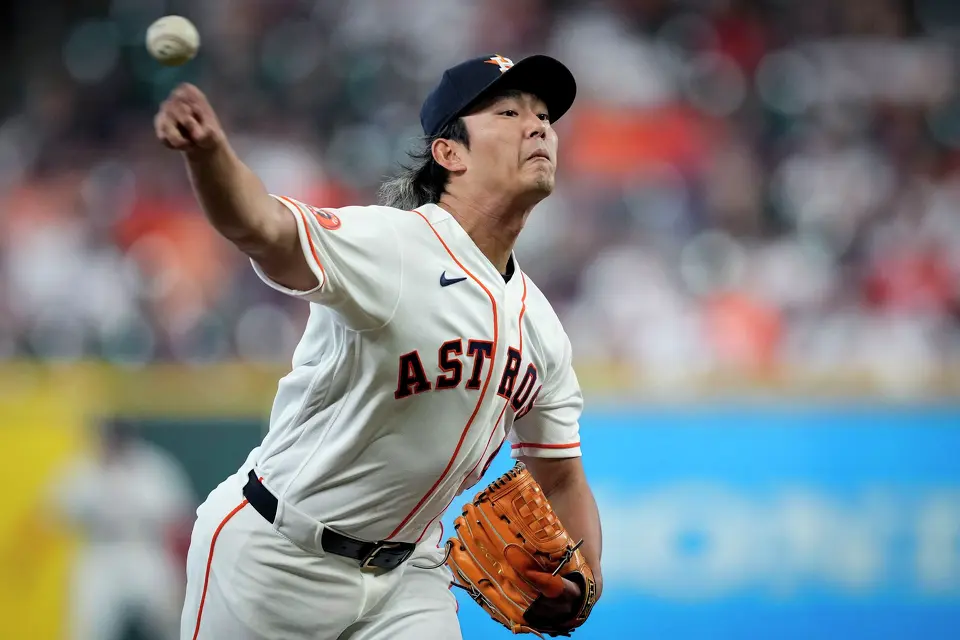
Houston Astros starting pitcher Tatsuya Imai pitches against the Los Angeles Angels during the first inning of a Major League Baseball game at Daikin Park in Houston, Sunday, March 29, 2026.Brett Coomer/Houston Chronicle
After the game, Imai acknowledged the challenge.
He described the MLB environment as noticeably different from what he experienced in Japan—something that affected his comfort level early. While nerves played a role, they weren’t the only factor. The outing exposed deeper issues with command and adaptation.
From the start, the Angels showed patience.
They rarely chased pitches out of the zone, forcing Imai to work deep counts. Despite flashing solid velocity—his fastball averaged in the mid-90s—and generating swings and misses with his slider, he couldn’t consistently land secondary pitches for strikes. That allowed hitters to wait him out rather than expand the zone.
The third inning proved decisive.
After issuing a walk and allowing a single, Imai loaded the bases and fell into predictable patterns. Relying heavily on his fastball-slider combination, he struggled to put hitters away. Jorge Soler capitalized with a bases-clearing double, and shortly after, another run crossed the plate to end Imai’s day early.
Pitch selection became a key talking point.
Throughout his career, Imai has leaned heavily on two primary pitches. That approach found success in Japan, but major league hitters appeared more comfortable sitting on those offerings. Without consistent use of his splitter or changeup, his arsenal lacked the variety needed to disrupt timing.
There were still positives to take away.
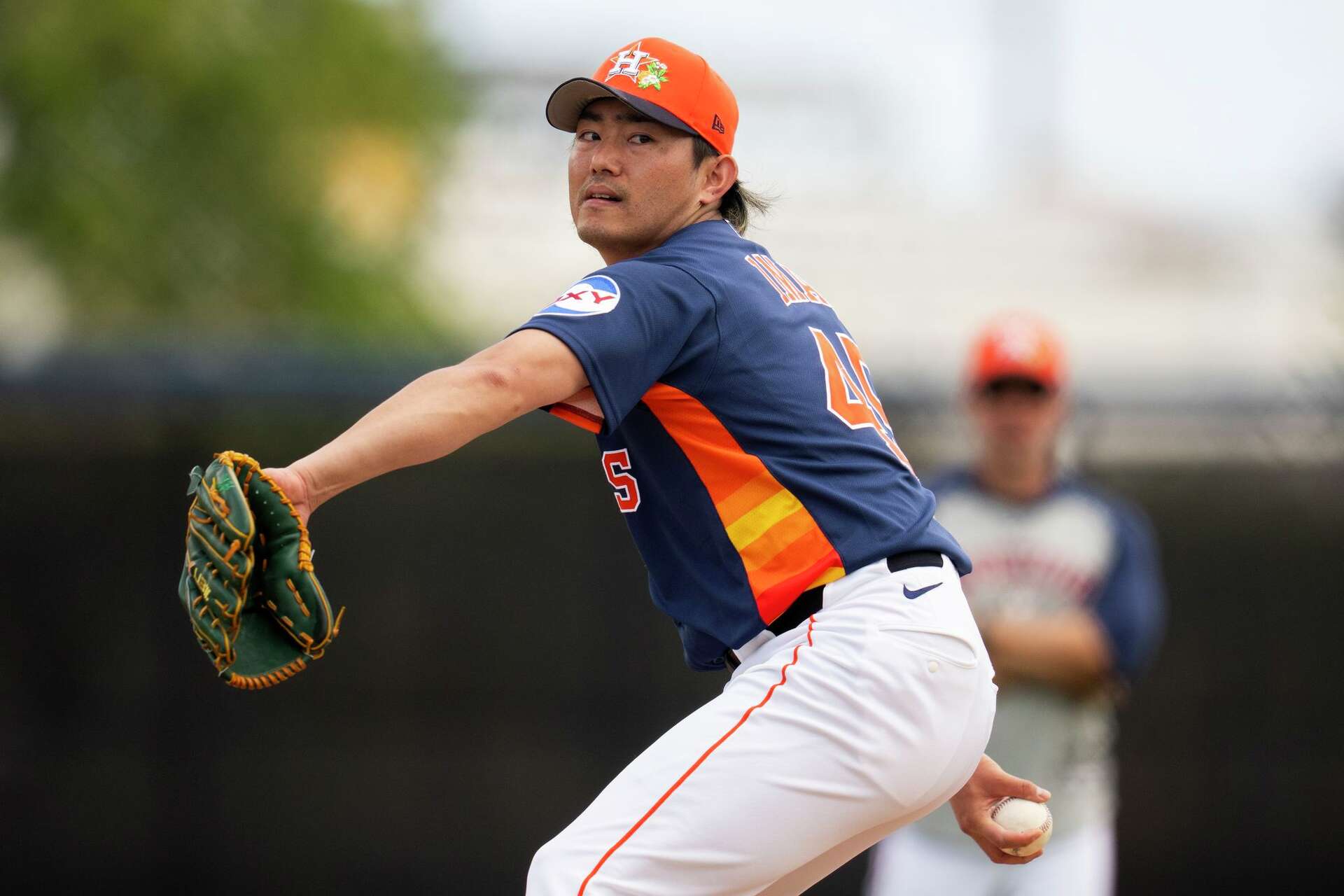
Imai showed flashes of swing-and-miss ability, particularly with his slider. He also demonstrated the ability to get ahead in counts at times, throwing first-pitch strikes to a majority of hitters. The raw tools are clearly there.
But refinement is needed—and quickly.
Beyond pitch mix, there are physical adjustments to consider. Imai noted differences in the MLB baseball and mound slope, both of which can impact mechanics and feel. These are subtle but significant changes, especially for a pitcher transitioning from another league.
For Houston, the result wasn’t ideal.
The bullpen had to cover more than six innings, a strategy that isn’t sustainable over a full season. Still, the Astros managed to secure a win, softening the immediate impact of Imai’s struggles.
Looking ahead, the focus shifts to development.

This debut was never meant to define Imai’s season, but it did highlight the gap between potential and execution at the highest level. Adjustments to command, pitch usage, and approach will be critical in his next outing.
For now, it stands as a reminder:
Success in one league doesn’t guarantee immediate results in another—and for Tatsuya Imai, the real transition has just begun.
Leave a Reply