The Astros have finalized their Opening Day roster — but instead of bringing clarity, it may have exposed a problem they can’t easily fix.
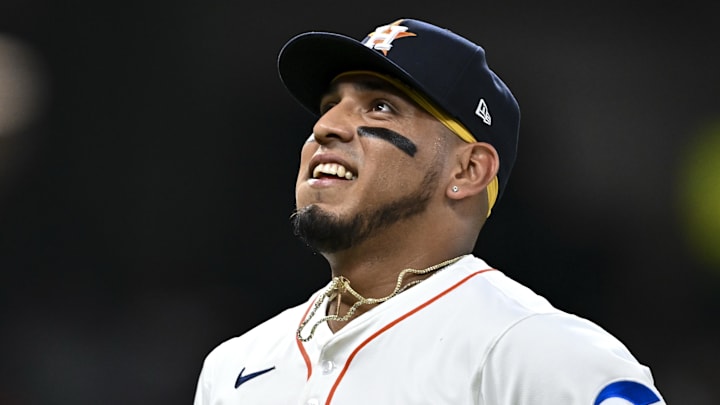
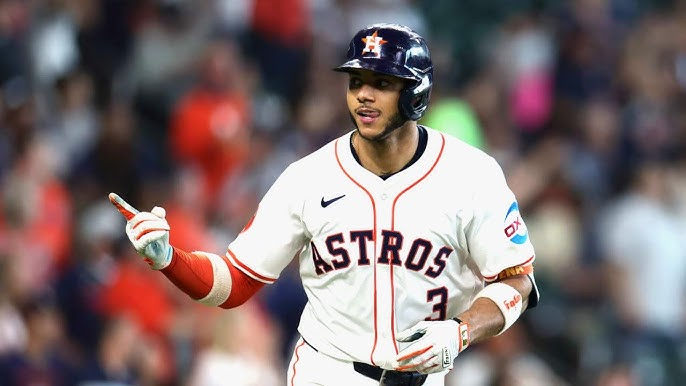
Houston Astros third baseman Isaac Paredes | Maria Lysaker-Imagn Images
On paper, Houston still looks competitive. The roster is filled with recognizable names and proven talent. But beneath that surface is a growing issue: too many players, not enough defined roles, and decisions that feel delayed rather than resolved.
And now, the consequences are locked in.
One of the biggest question marks throughout spring was Jeremy Peña’s health. The shortstop’s finger injury never appeared serious, but his availability remained uncertain deep into camp. That uncertainty complicated roster planning and created ripple effects across the infield.
In the end, Peña made the roster — along with top prospect Brice Matthews.
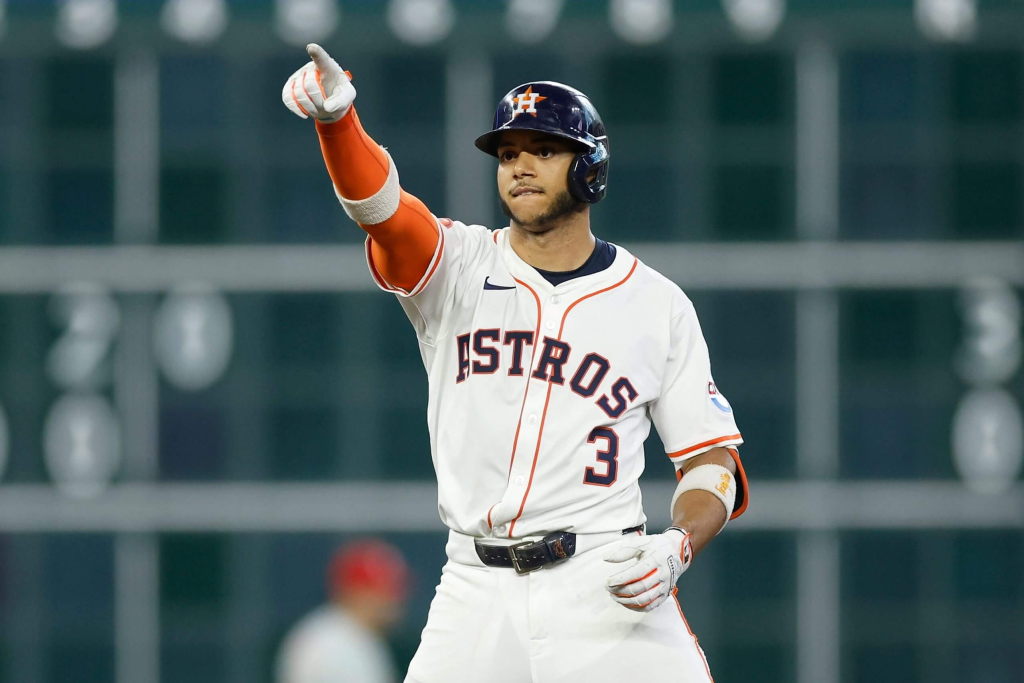
Zach Cole, meanwhile, was sent to Triple-A after struggling during spring action. It’s a logical move in isolation, but it’s also part of a larger pattern that has defined Houston’s offseason.
Because this situation didn’t have to unfold this way.
The Astros entered the offseason with a surplus of position players — several of them expensive, several of them imperfect fits, and all competing for limited opportunities. Names like Jake Meyers, Christian Walker, and Isaac Paredes were frequently mentioned in trade discussions.
Yet none of them were moved.
That decision, whether intentional or circumstantial, has led to a roster that feels crowded and unsettled. Players are being asked to adapt to roles that may not maximize their strengths, while others face uncertain playing time despite being capable contributors.
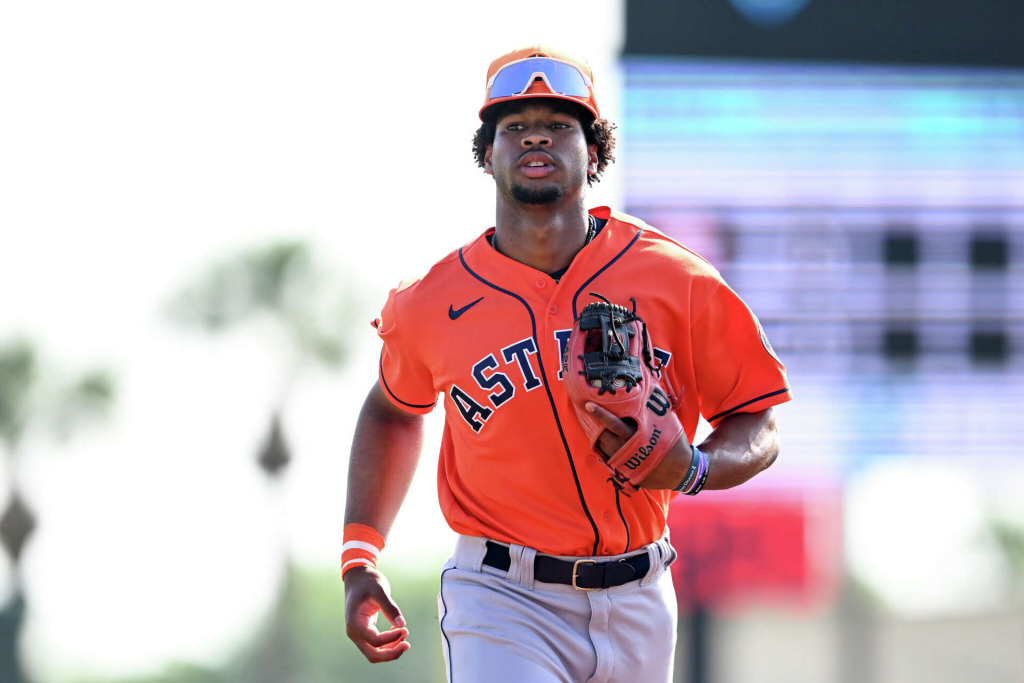
It’s not just about depth anymore.
It’s about balance — and right now, Houston doesn’t appear to have it.
To be fair, the trade market isn’t always straightforward. Walker’s contract and recent performance may have limited his value. But interest reportedly existed for players like Meyers and Paredes, both of whom bring versatility and upside that many teams covet.
Standing pat may have seemed like the safer option.
Instead, it created a different kind of risk.
By holding onto everyone, the Astros now face a season where managing playing time could become a constant challenge. Rotations, platoons, and shifting roles may keep everyone involved — but they can also lead to inconsistency and frustration.
And even if a trade eventually happens, the early part of the season is already set.
That’s time spent navigating a situation that might have been avoidable.
There’s still enough talent here to win. That hasn’t changed.
But roster construction isn’t just about talent — it’s about fit, clarity, and timing. And in those areas, the Astros may have miscalculated.
Now, as the season begins, they’ll have to manage the consequences in real time.
Because sometimes, the biggest mistake isn’t the move you make.
It’s the one you don’t.
Leave a Reply