The Houston Astros spent much of the offseason searching for answers after a disappointing 2025 campaign. Injuries certainly played a role in their struggles, but team leadership believes something deeper also contributed to the offense’s decline.
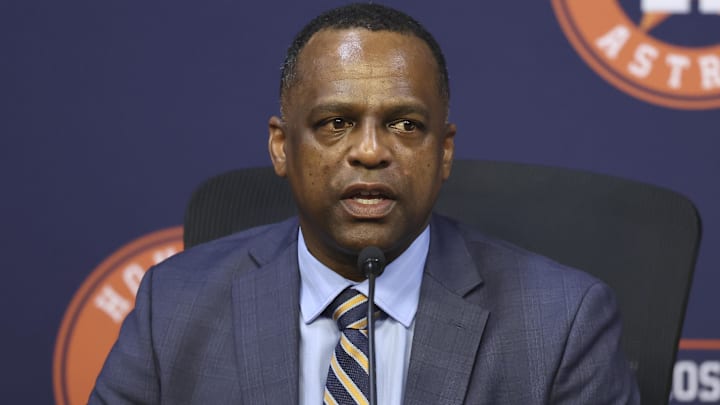
According to general manager Dana Brown, the Astros’ offensive approach became part of the problem.
Houston responded by making significant coaching changes. Hitting coaches Alex Cintrón and Troy Snitker were dismissed, and a new group — Victor Martinez, Anthony Iapoce, and Dan Hennigan — was brought in to reshape the lineup’s philosophy heading into the 2026 season.
The new staff wants the Astros to emphasize situational hitting, contact, and small-ball tactics.
There’s just one complication.
The roster hasn’t really changed.
A philosophical shift
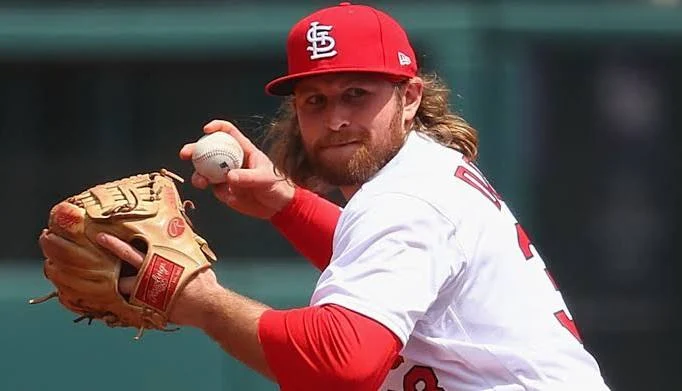
The Astros’ new hitting approach is centered around fundamentals often associated with traditional baseball: advancing runners, using the opposite field, and putting the ball in play more consistently.
In theory, the strategy aims to create more balanced offensive production rather than relying primarily on power.
In an era dominated by home runs and launch-angle analytics, some believe this style of play has become undervalued. The idea of manufacturing runs — bunts, situational contact, moving runners — can still be effective when executed well.
But Houston’s personnel may not be built for that type of offense.
The Astros’ lineup was built to swing big
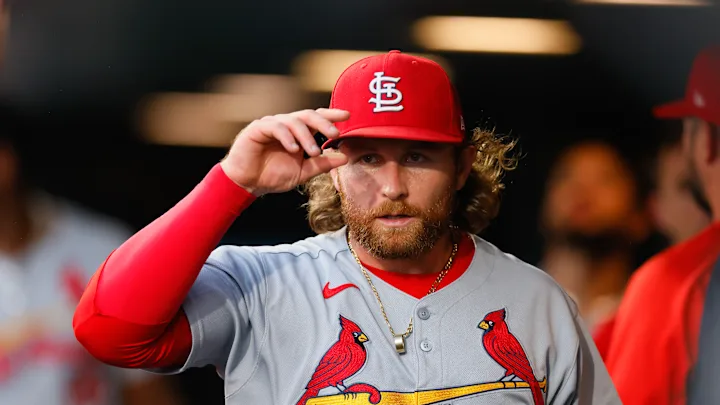
For years, the Astros’ lineup has thrived on aggressive, power-oriented hitting.
Take Jose Altuve, for example. The veteran second baseman has built a Hall of Fame-caliber career largely by attacking early in counts and trusting his ability to drive the baseball. That approach has helped put him within striking distance of 3,000 career hits.
Then there’s Yainer Díaz, whose breakout offensive season in 2023 came despite walking only 2.9 percent of the time. His game revolves around power and aggressive swings.
More broadly, the Astros have assembled a roster designed to take advantage of Minute Maid Park’s Crawford Boxes, a home-field feature that rewards pulled fly balls and power hitting.
Trying to shift that group toward a contact-heavy, small-ball style could prove difficult.
Offseason moves didn’t match the new vision
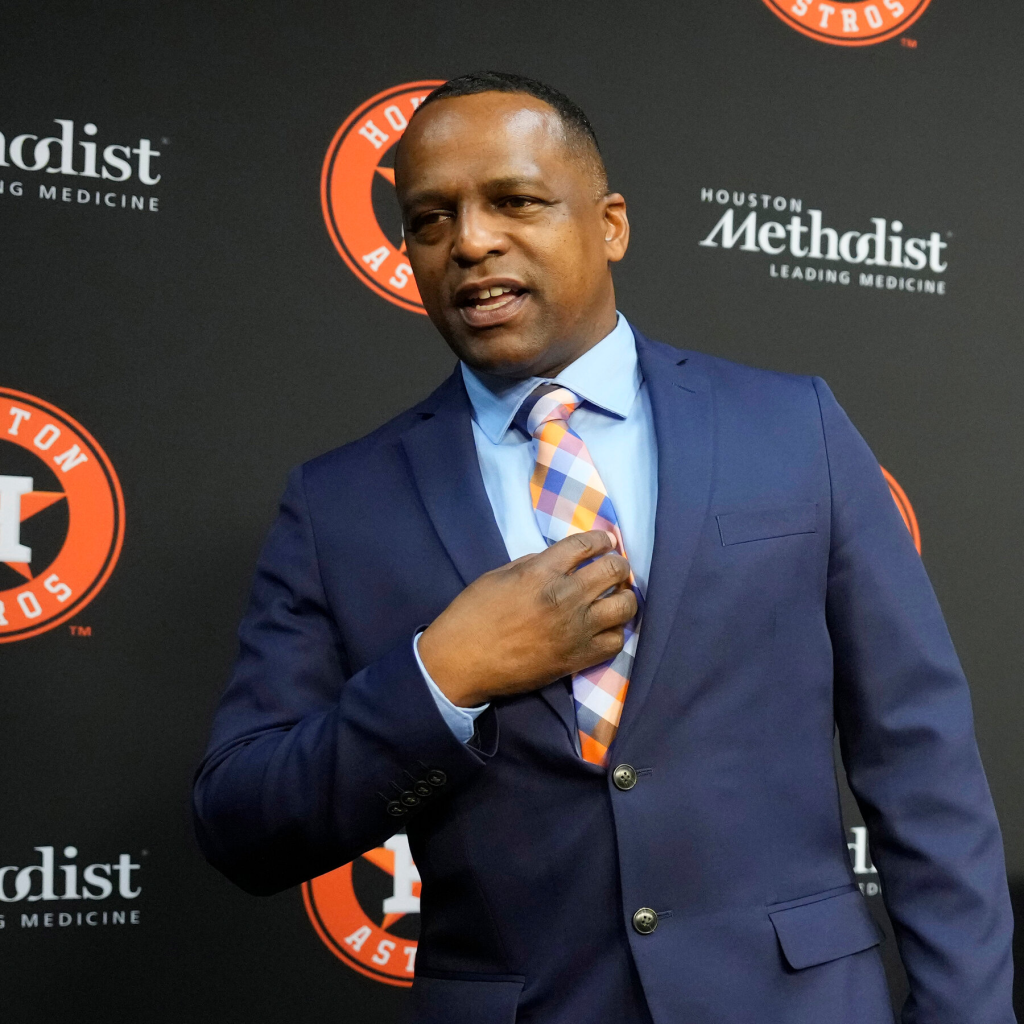
If the Astros truly wanted to embrace a new offensive identity, they might have pursued players who naturally fit that philosophy.
However, Houston made few moves to reshape the lineup in that direction.
At one point, the Astros were rumored to have interest in Brendan Donovan, a player known for his plate discipline and contact-oriented approach. But when that potential acquisition fell through, the team didn’t pursue similar alternatives.
Instead, the roster may have moved even further away from the new philosophy.
Houston reacquired Joey Loperfido, a player with a 33.3 percent career strikeout rate, hardly the profile of a contact-focused hitter.
Meanwhile, top prospect Zach Cole could also enter the lineup. In 2025, he struck out 35.1 percent of the time between Double-A Corpus Christi and Triple-A Sugar Land.
That level of swing-and-miss doesn’t exactly align with situational hitting.
The Isaac Paredes paradox

Ironically, one player who might actually fit Houston’s new offensive strategy is Isaac Paredes.
Paredes is known for working deep counts, drawing walks, and making consistent contact. While he still pulls plenty of fly balls, his approach is more balanced than many of his teammates.
Yet Paredes has reportedly been one of the players the Astros are most eager to trade, largely due to the team’s crowded infield.
If Houston does move him, they could lose one of the few hitters who naturally fits the offensive style they claim to be pursuing.
A mismatch between strategy and personnel
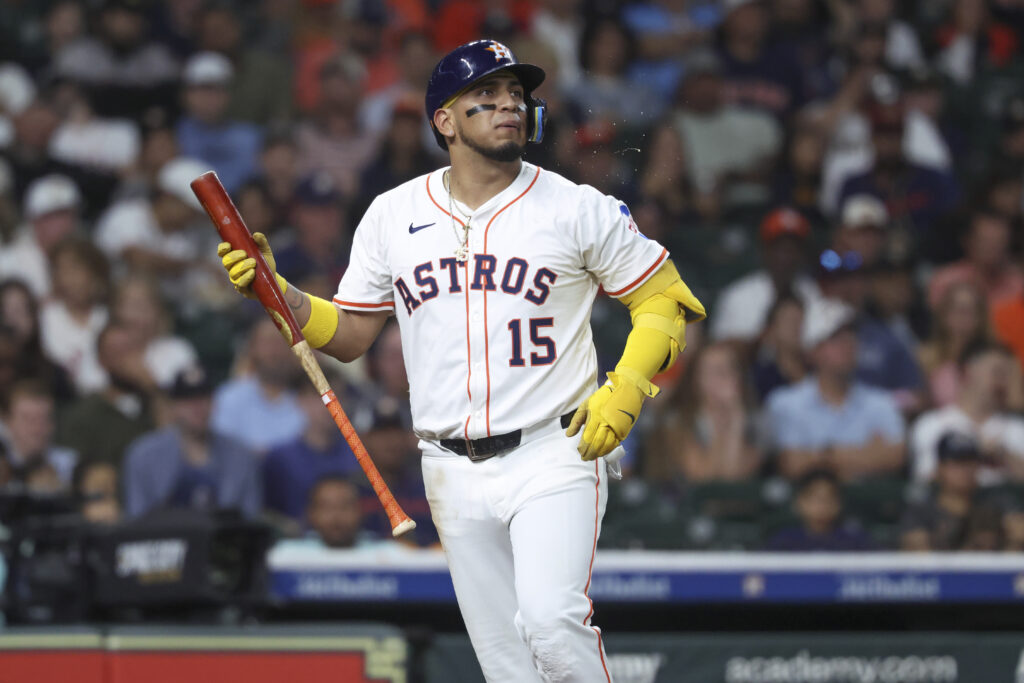
Changing a team’s offensive identity is rarely simple, especially when the roster was built with a different philosophy in mind.
For the Astros, the challenge may not be teaching players new tactics — it may be asking them to abandon the very approach that made them successful in the first place.
Unless Houston dramatically reshapes its lineup in the future, the organization may find itself attempting to force a new system onto players who were never built for it.
And in baseball, trying to fit square pegs into round holes rarely ends well. ⚾
Leave a Reply