The Houston Astros have finalized their starting rotation — and while most of the decisions were expected, one stands out for all the uncertainty it carries.
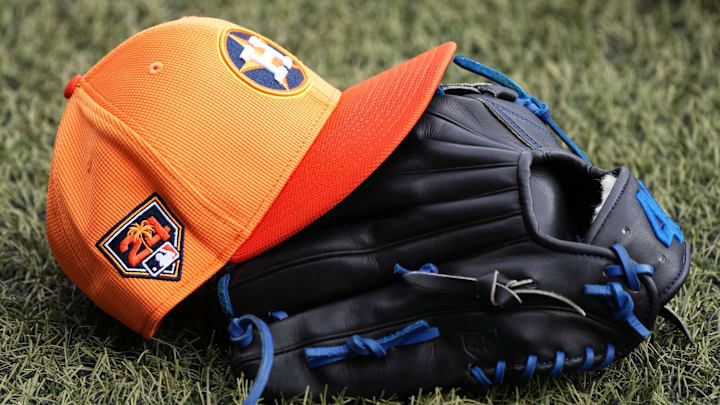
Detail photo of Houston Astros spring training cap. | Jim Rassol-Imagn Images
As the team prepares to open the 2026 season, the rotation is officially in place. Hunter Brown will take the ball on Opening Day, followed by a mix of emerging arms, returning contributors, and one veteran whose health remains a major question.
That final spot may end up defining more than just the first week of the season.
Houston will begin the year at home after wrapping up exhibition games against Triple-A Sugar Land. From there, the rotation order becomes clear: Brown leads, followed by Mike Burrows, Cristian Javier, and Tatsuya Imai.
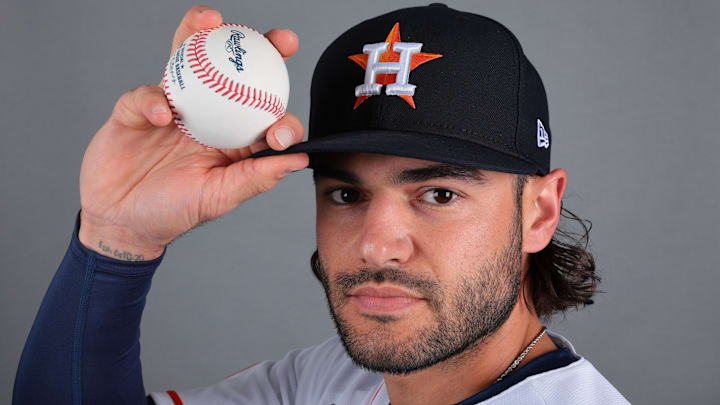
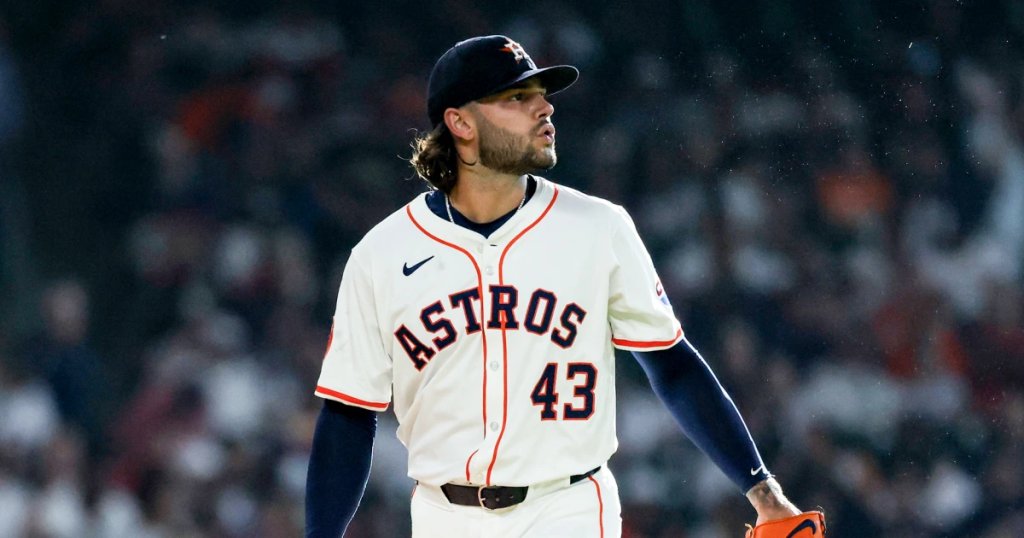
Houston Astros pitcher Lance McCullers Jr. | Sam Navarro-Imagn Images
Then comes Lance McCullers Jr.
It’s a decision that reflects both optimism and risk.
Brown’s role at the top is the least surprising piece. After finishing as a Cy Young finalist, he enters the season as the unquestioned ace. His 2025 campaign — 12 wins, a 2.43 ERA, and over 200 strikeouts — gave the Astros stability during a season otherwise disrupted by injuries.
Behind him, the rotation starts to shift toward uncertainty.
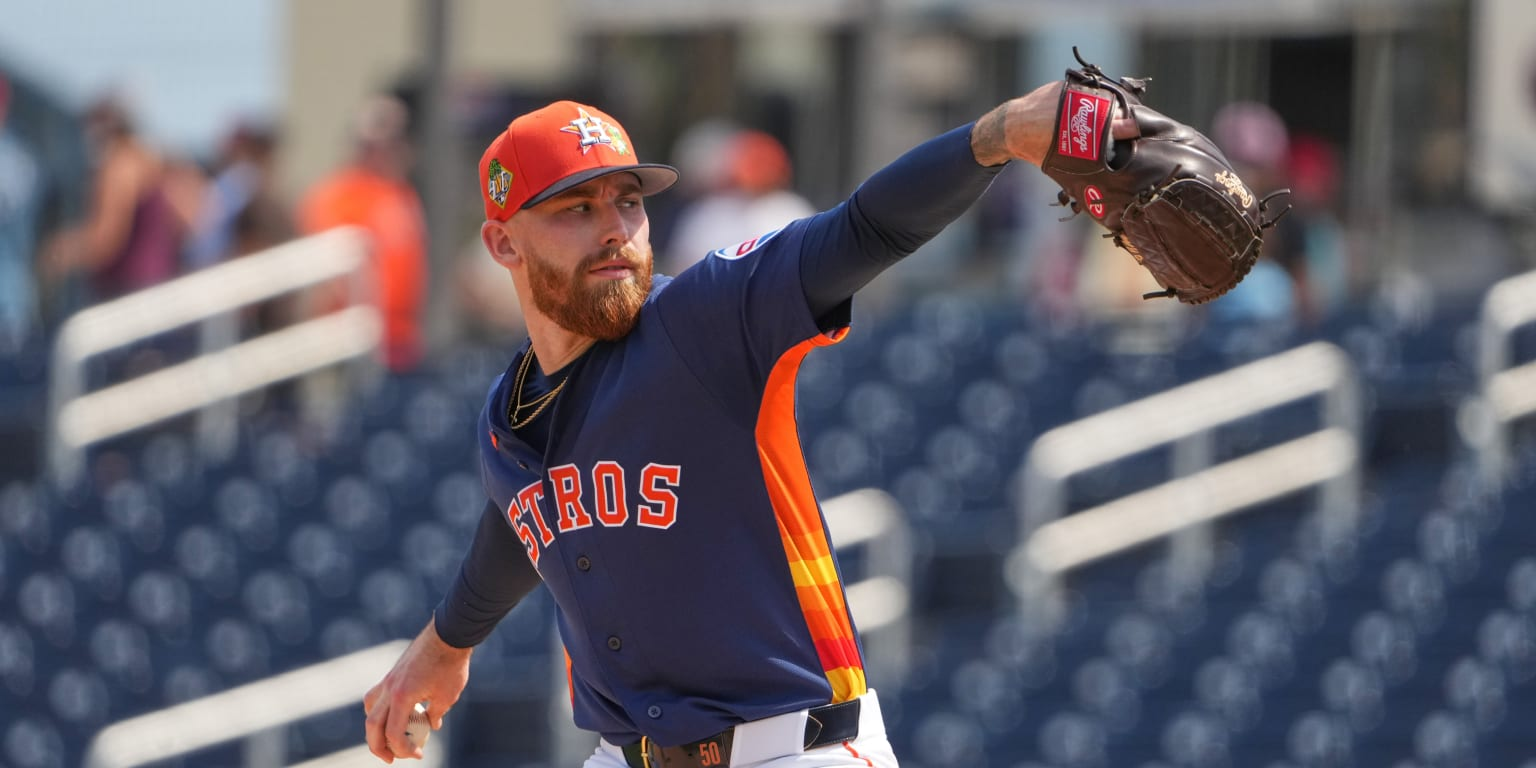
Burrows, acquired in an offseason trade, has quickly moved from depth option to legitimate contributor. His spring performance forced the issue, as he posted a 1.50 ERA across five starts and showed the kind of consistency Houston needs.
Javier, meanwhile, is still working his way back.
After missing significant time following Tommy John surgery, his 2025 return was limited. But his spring numbers suggest progress, and the Astros are counting on him to regain form as the season unfolds.
Imai adds another layer of intrigue.
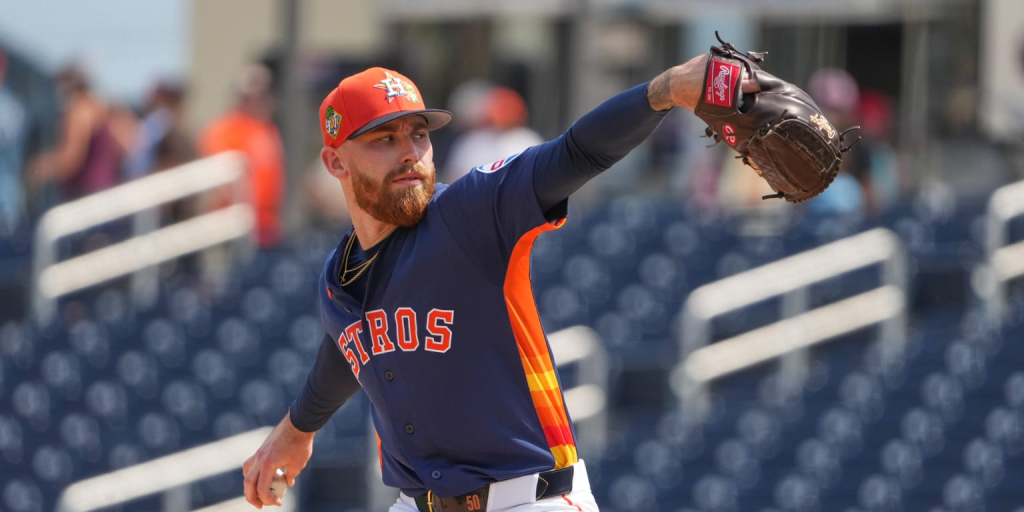
The Japanese right-hander arrived with an impressive résumé from Nippon Professional Baseball, including All-Star appearances and a no-hitter. While his transition to MLB remains a question, his upside gives Houston another potential difference-maker.
But all eyes may ultimately settle on McCullers.
Once a cornerstone of the Astros’ rotation, his career has been defined in recent years by injuries. Since signing his contract extension, he has struggled to stay on the field, missing multiple seasons and posting uneven results when available.
Last year, he returned but finished with a 6.51 ERA — a reminder of how difficult that road back can be.
This spring has offered some encouragement.
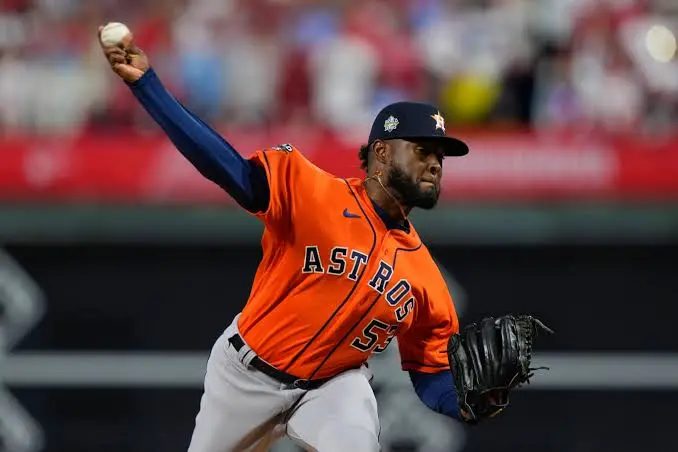
McCullers has been effective in limited action, showing flashes of the pitcher he once was. But the sample size is small, and durability remains the biggest unknown.
That’s what makes this decision so significant.
Houston isn’t just filling a rotation spot — it’s betting that McCullers can hold up long enough to contribute meaningfully.
There is some built-in flexibility.
The Astros plan to shift to a six-man rotation later in April, which could help manage workloads and reduce strain on their starters. In the short term, they’ll rely on bullpen depth to bridge any gaps.
Still, the margin for error is thin.
After missing the playoffs last season, Houston doesn’t have the luxury of slow starts or prolonged uncertainty. Every rotation spot matters, and every inning carries weight.
On paper, the Astros still have the talent to contend.
But with health questions lingering — especially at the back end of the rotation — the success of this group may depend less on potential and more on availability.
And for one veteran in particular, that’s been the hardest part.
Leave a Reply