Less than a year ago, the Toronto Blue Jays overwhelmed the Colorado Rockies in a way few teams ever have.
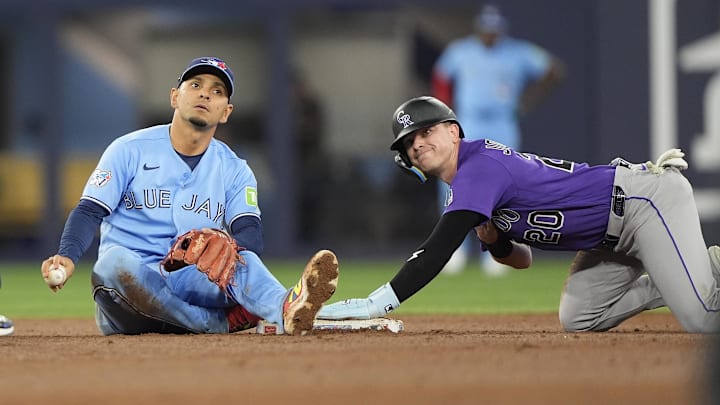
Apr 1, 2026; Toronto, Ontario, CAN; Colorado Rockies right fielder Troy Johnston (20) reacts after stealing second base against Toronto Blue Jays shortstop Andres Gimenez (0) during the eighth inning at Rogers Centre. Mandatory Credit: John E. Sokolowski-Imagn Images | John E. Sokolowski-Imagn Image
It wasn’t just a sweep—it was historic.
Forty-five runs. Sixty-three hits. A three-game stretch at Coors Field in August 2025 that felt more like a mismatch than a major league series. Toronto looked unstoppable. Colorado looked overmatched.
That memory hasn’t gone anywhere.
But this week, the roles didn’t exactly reverse—they shifted just enough to matter.
In a surprising early-season result, the Rockies came into Toronto and took two of three games, delivering one of the first real upsets of the 2026 campaign. It wasn’t loud or overwhelming like last year’s series.
It was quieter. Slower. And, in many ways, more frustrating.
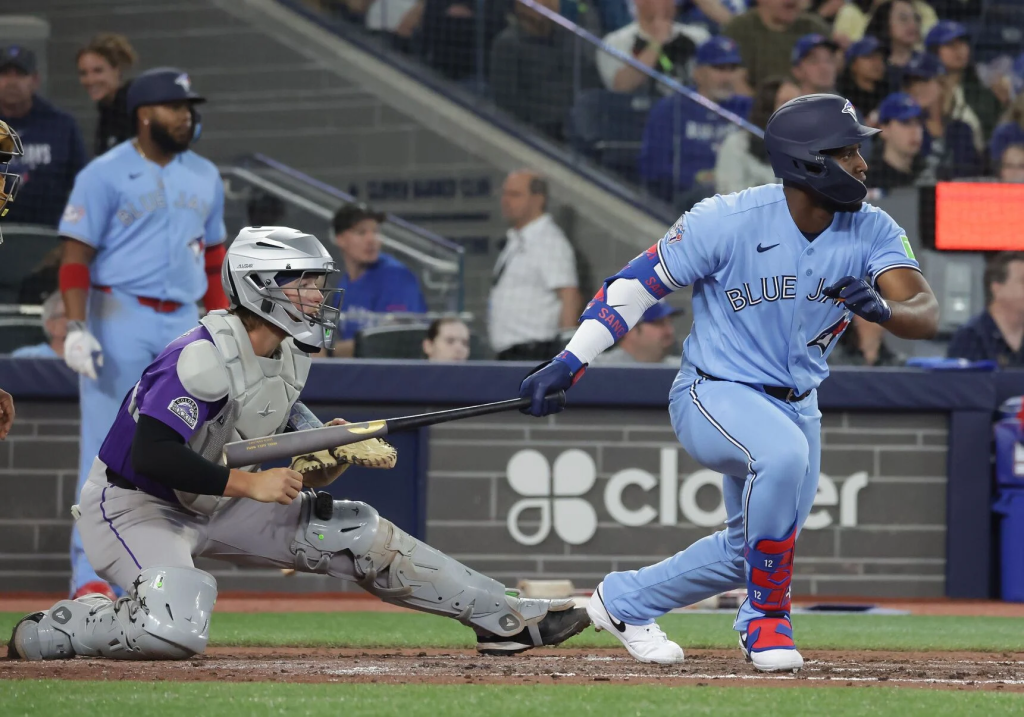
Game one set the tone.
Toronto lost offseason addition Cody Ponce early after he suffered an injury while chasing a ground ball. At the time, the game was still within reach, tied shortly after his exit. But then everything unraveled in a single inning.
Colorado exploded for seven runs in the sixth, turning a close contest into a 14-5 loss.
Just like that, the Blue Jays were chasing.
They managed to respond in game two, grinding out a 5-1 win behind timely hitting. It looked like the series might reset in their favor.
But the finale told a different story.
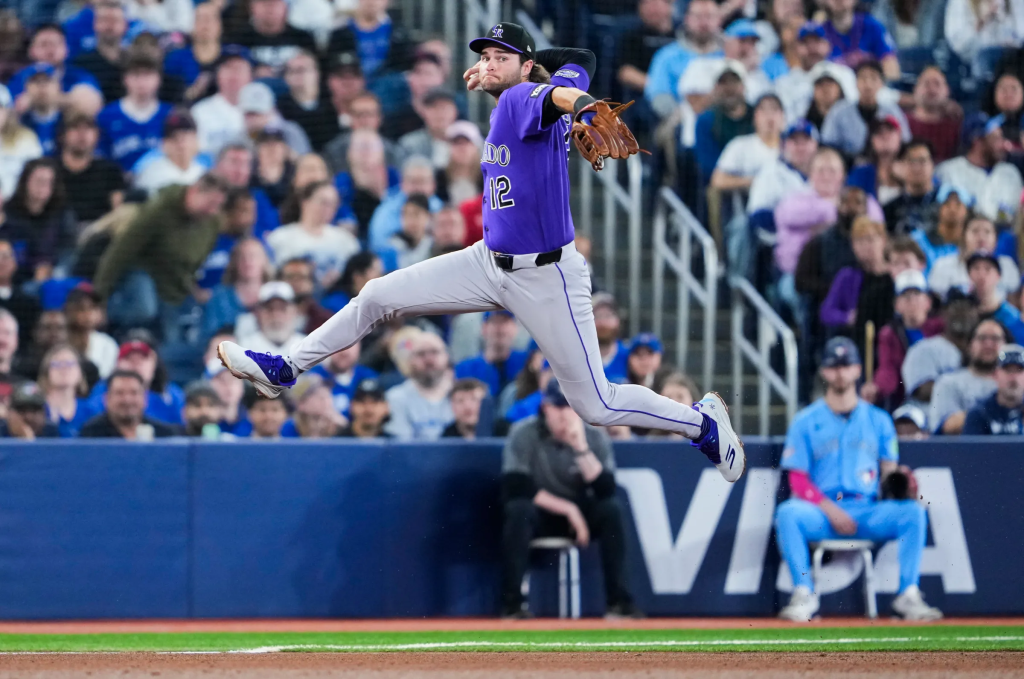
In a tight, low-scoring game that stretched into extra innings, Toronto had chances—and couldn’t capitalize. The Blue Jays went just 1-for-8 with runners in scoring position, leaving nine men on base in a 2-1 loss that sealed the series for Colorado.
And that’s where the frustration really set in.
Across the two losses, Toronto’s offense struggled in key moments, finishing a combined 1-for-14 with runners in scoring position while stranding 15 baserunners. The contact was often solid. The opportunities were there.
The results just weren’t.
It wasn’t a blowout.
It was something more difficult to process—missed chances, mounting pressure, and an offense that couldn’t deliver when it mattered most.
Even in the final moments, the game hung in the balance.
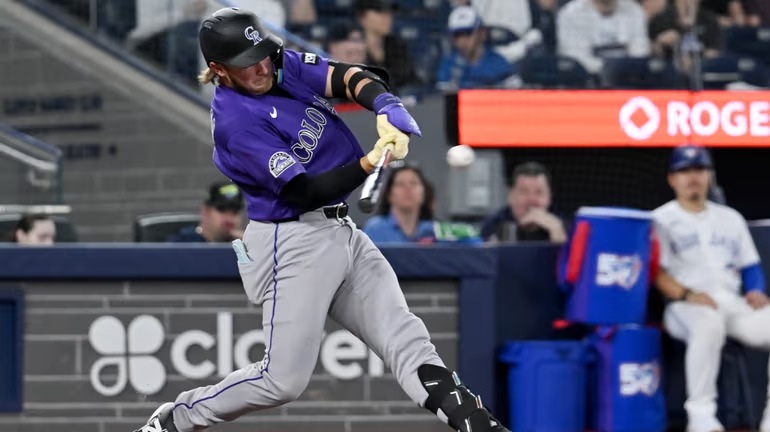
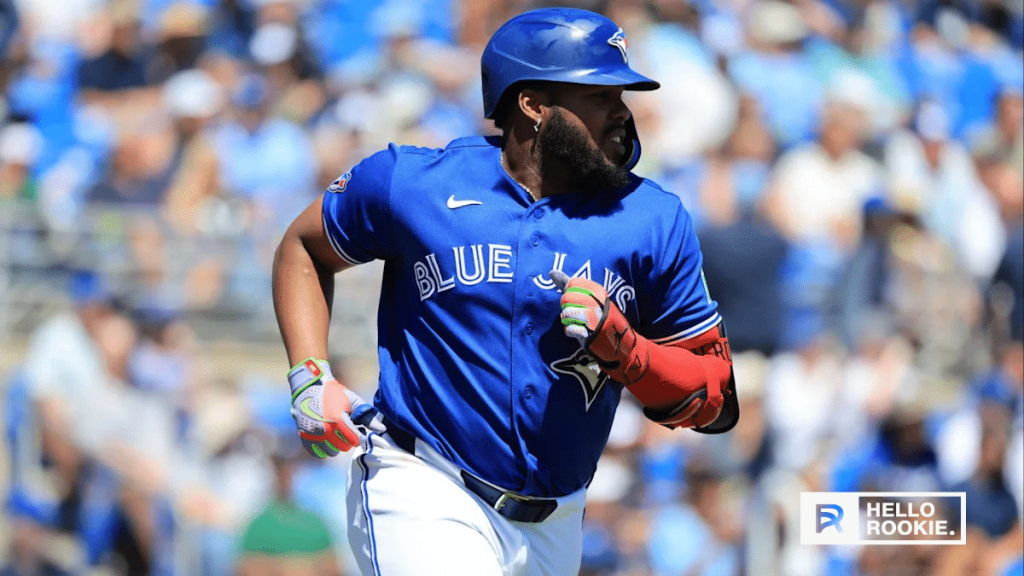
With a runner on third and a chance to tie things late, Vladimir Guerrero Jr. made strong contact—over 108 mph off the bat. But the ball found a glove in center field, ending the game and the series in one swing.
Sometimes, that’s baseball.
For Toronto, the loss stings not because of how badly they were beaten—but because of how close they were to a different outcome. Small margins decided everything.
Still, it’s not all negative.
The Blue Jays showed signs of doing the little things right throughout the series. The foundation is there. The execution just hasn’t fully caught up yet.
Now, the focus shifts forward.
A road series against the White Sox offers a chance to reset before a much bigger challenge arrives—with the Los Angeles Dodgers coming to town next.
Because if this series proved anything, it’s that even the strongest teams can get tripped up early.
And in baseball, yesterday’s dominance doesn’t guarantee anything today.
Leave a Reply