Sometimes, the most surprising spring performances lead to the toughest decisions.
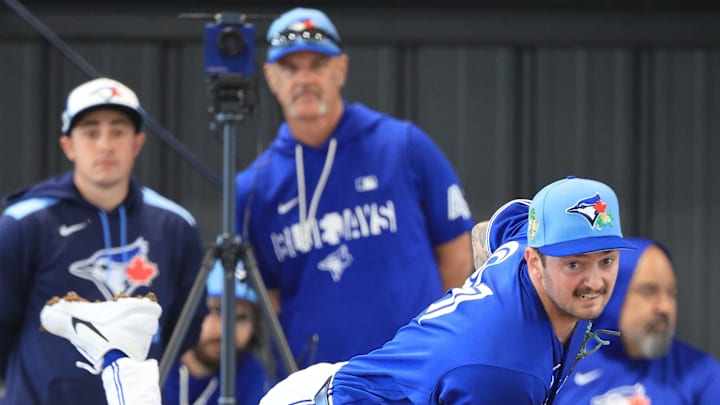
Feb 11, 2026; Dunedin, FL, USA; Toronto Blue Jays pitcher Connor Seabold (91) throws a bullpen session for spring training practice at Blue Jays Player Development Complex. Mandatory Credit: Kim Klement Neitzel-Imagn Images | Kim Klement Neitzel-Imagn Images
For the Toronto Blue Jays, Connor Seabold’s emergence this spring created exactly that kind of dilemma — and their final call may carry more risk than expected.
Seabold wasn’t supposed to be part of the conversation.
Signed as organizational depth, the 30-year-old right-hander entered camp as a likely Triple-A arm, not a serious contender for a major league bullpen spot. His track record didn’t demand attention either, with a 7.79 ERA across four MLB seasons and multiple teams.
But spring training has a way of changing narratives quickly.
Seabold showed up with a different look — and a different velocity.
Touching 96 mph and generating one of the highest swing-and-miss rates in camp, he forced his way into consideration. His 46.8% whiff rate ranked among the best in baseball this spring, and he backed it up with 13 strikeouts in just 6.2 innings.
The results weren’t flawless. He allowed five earned runs, along with some hits and walks. But the raw stuff — and the sudden jump in effectiveness — suggested there was something real to work with.
It felt like the beginning of a breakout opportunity.
Instead, it ended with a release.
The Blue Jays granted Seabold his freedom just days before Opening Day, removing him entirely from the bullpen picture. Whether it was his desire for a clearer path to starting or the team’s reluctance to carry him on the roster, the result was the same.
Toronto walked away from a pitcher trending upward.

And that decision carries a familiar echo.
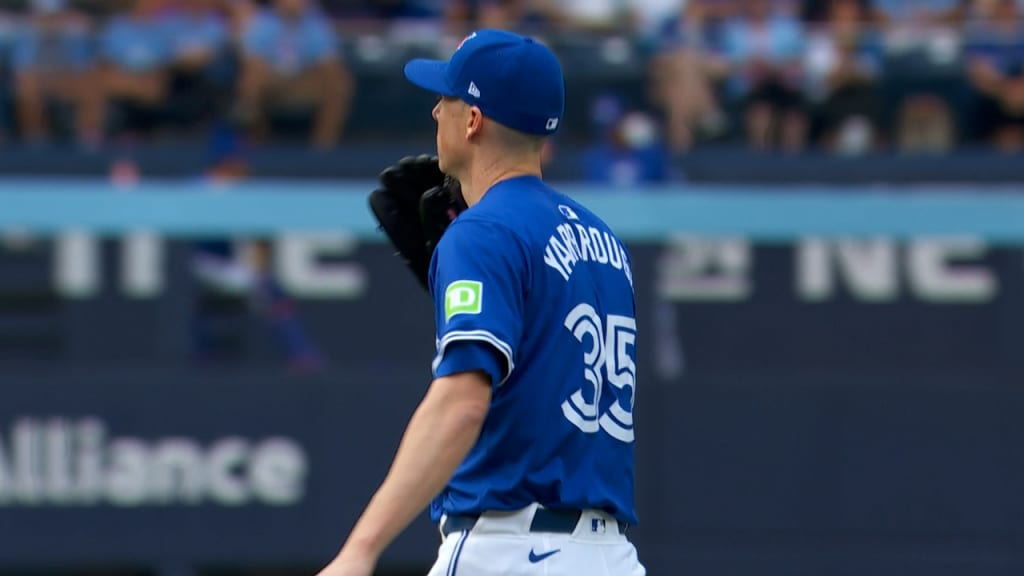
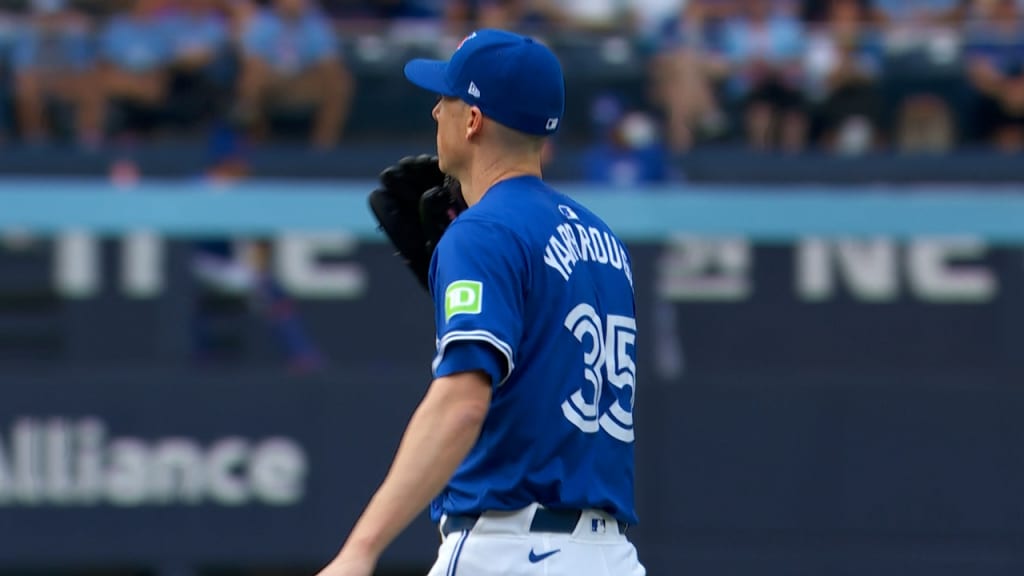
Just a year ago, the Blue Jays found themselves in a nearly identical situation with Ryan Yarbrough. After showing promise late in the season and again in spring training, Yarbrough was also released late in camp.
The New York Yankees didn’t hesitate.
They picked him up almost immediately, and he went on to provide valuable innings during the season, stabilizing their pitching depth when injuries hit. It wasn’t a headline-grabbing breakout, but it was meaningful production — the kind Toronto could have used.
That’s the risk now with Seabold.
There’s no guarantee he follows the same path. Spring success doesn’t always translate, and his previous major league struggles can’t be ignored. But the signs of improvement were hard to overlook.
Velocity gains. Swing-and-miss stuff. A clear adjustment in approach.
Those are the traits teams look for.
And in a division as competitive as the AL East, even marginal improvements can make a difference — especially if they benefit a rival.
For the Blue Jays, the move may ultimately come down to roster math and long-term planning. But decisions like this don’t happen in a vacuum.

If Seabold lands elsewhere and turns potential into production, the comparison to Yarbrough will only grow louder.
For now, it’s just a calculated gamble.
But it’s one Toronto has seen play out before — and not in their favor.
Leave a Reply