With the World Baseball Classic now behind them, the Toronto Blue Jays are shifting fully into regular-season mode—and they’re getting a key piece back at exactly the right time.
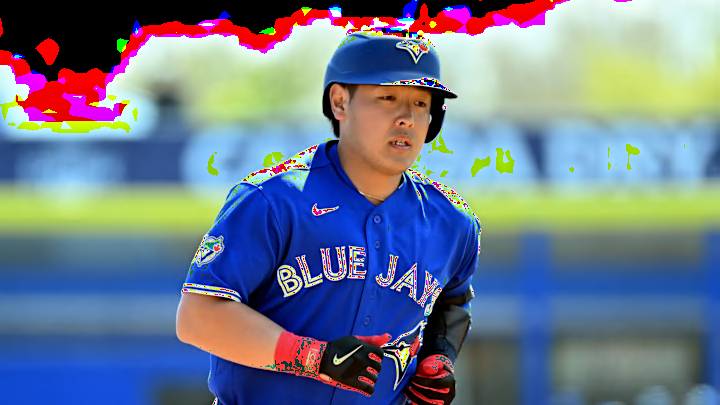
Kazuma Okamoto has officially rejoined the team.
The newly signed infielder, one of Toronto’s biggest offseason additions, is back in camp after representing Japan on the international stage. As the Blue Jays enter the final stretch of spring training, his return brings both stability and intrigue to a lineup preparing for a long season ahead.
Okamoto’s arrival isn’t just about numbers—it’s about expectations.
The 29-year-old signed a four-year, $60 million deal this winter, a move that signaled Toronto’s commitment to contending after falling just short of a title. He was brought in to be a middle-of-the-order presence, a proven power bat with a long track record of production in Japan, including multiple 30-home run seasons.
His WBC performance, however, was more subdued.
Japan entered the tournament as one of the favorites but fell short of expectations, exiting earlier than many predicted. Okamoto’s offensive numbers didn’t stand out, though his defensive work at third base drew positive attention—an encouraging sign for a team still evaluating his long-term fit in the field.
That defensive reliability may be just as important as his bat.
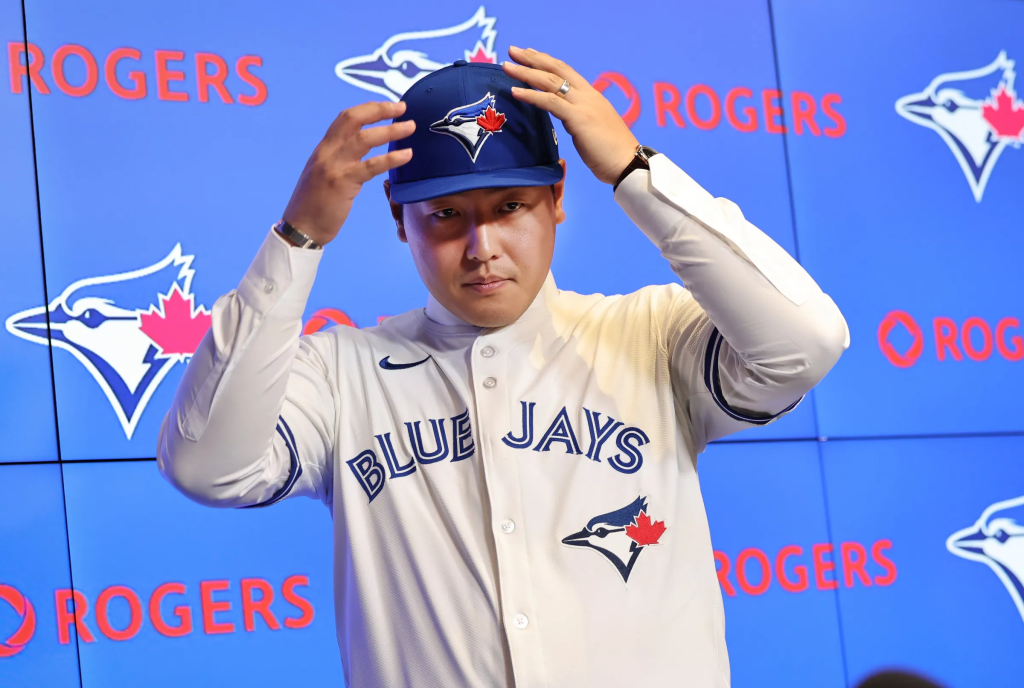
Toronto primarily acquired Okamoto for his offense, but with a clear opening at third base, his ability to handle the position consistently could have a major impact on roster stability. If he locks that spot down, it simplifies decisions across the infield and allows the lineup to settle into a more natural rhythm.
Before leaving for international duty, he had already made a strong early impression.
In limited spring action, Okamoto flashed his power, including a home run that quickly introduced fans to what he can bring offensively. Now back with the team, he has a final opportunity to build chemistry with his new teammates and refine his timing before Opening Day.
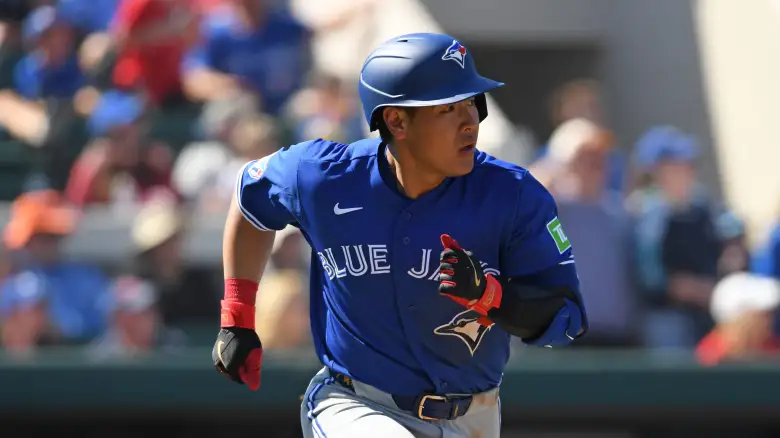
That matters more than it might seem.
Spring training isn’t just about performance—it’s about familiarity. For a player transitioning from Nippon Professional Baseball to MLB, those reps are critical.
Pitching styles, game pace, and travel demands all differ, and the adjustment period can define early-season success.
The Blue Jays understand that.
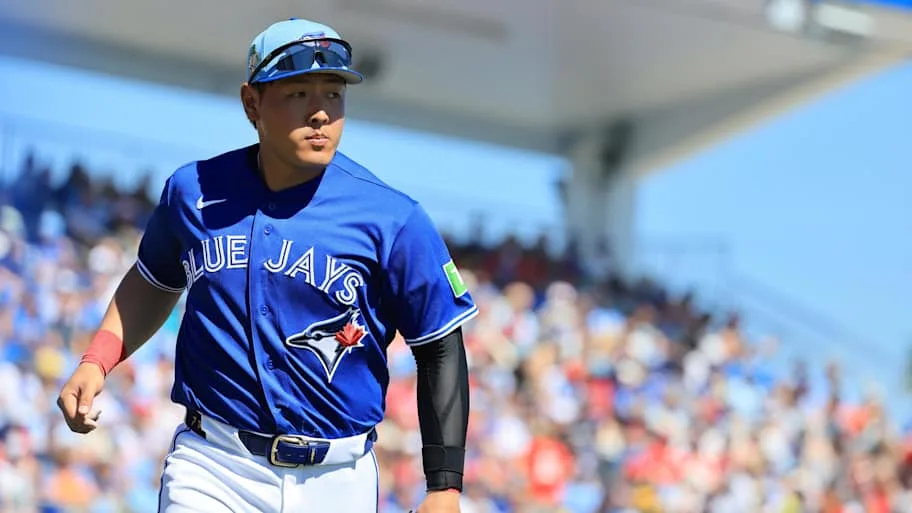
They’re not just reintegrating a player—they’re preparing a key contributor expected to play a central role in their lineup. And with postseason expectations looming, there’s little room for a slow start.
Okamoto’s return marks a shift.
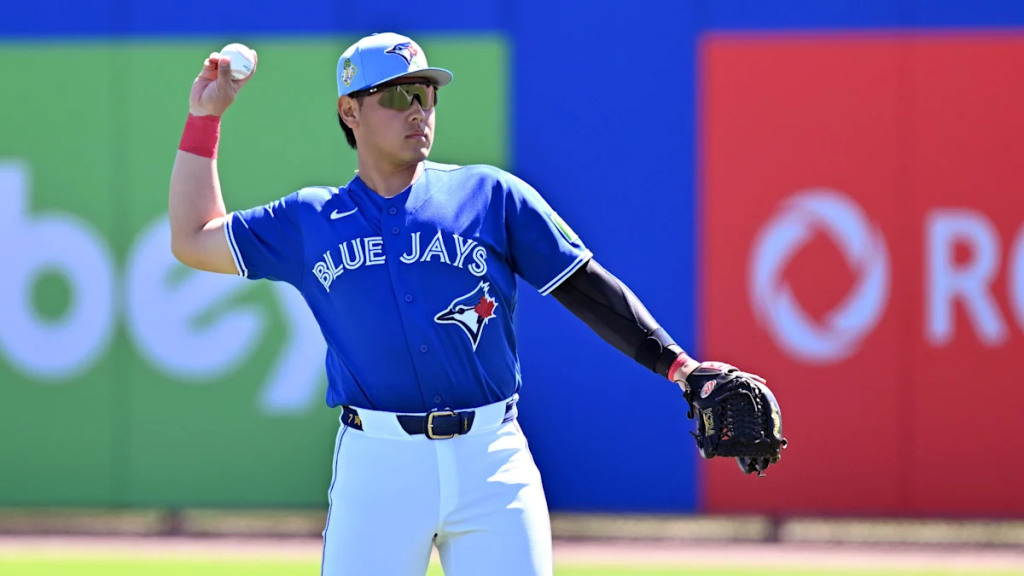
The WBC was a showcase, but now the focus returns to the grind of a 162-game season. For Toronto, having one of their biggest offseason investments back in uniform—and back in rhythm—could make a meaningful difference.
Because if the Blue Jays are going to take the next step, they’ll need their biggest bat ready from day one.
Leave a Reply