The Houston Astros are entering the 2026 season in a strangely balanced position.
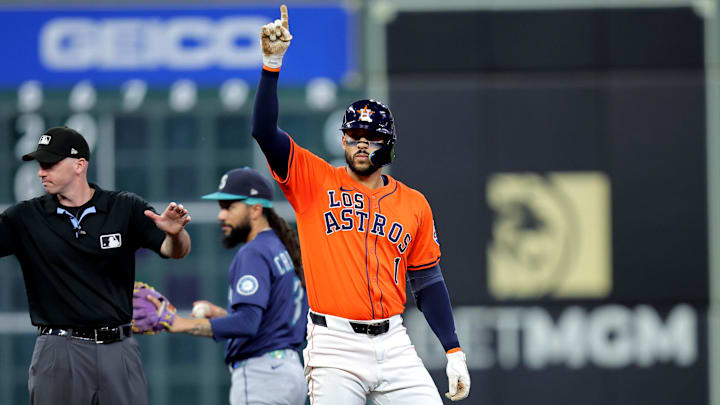
Houston Astros third baseman Carlos Correa | Erik Williams-Imagn Images
They’re not quite contenders in the traditional sense—but they’re far from out of the picture. It’s a roster filled with experienced players who provide stability, yet that same reliance on veterans raises questions about durability and long-term performance.
And now, one bold prediction is forcing that conversation into the spotlight.
Astros insider Brian McTaggart recently suggested Houston could win the American League West this season. On the surface, it sounds ambitious. But when you dig a little deeper, it’s not entirely unrealistic.
There is a path—however narrow.
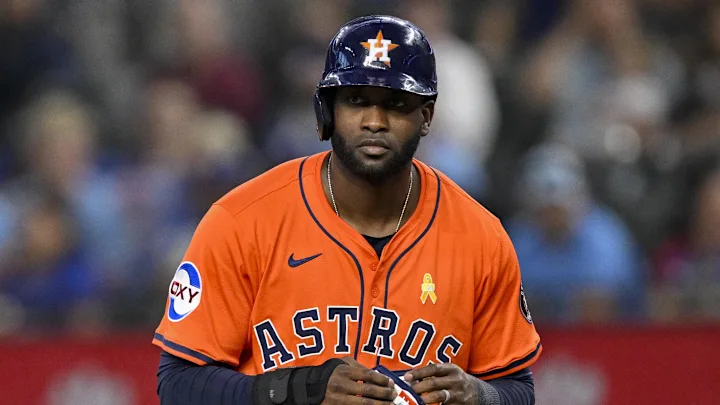
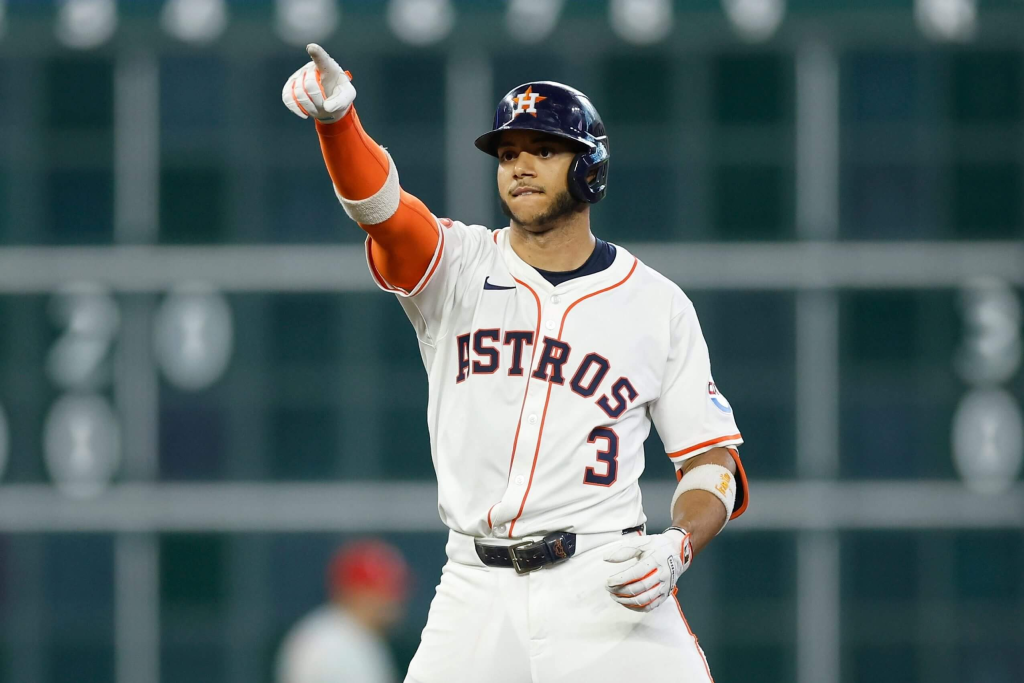
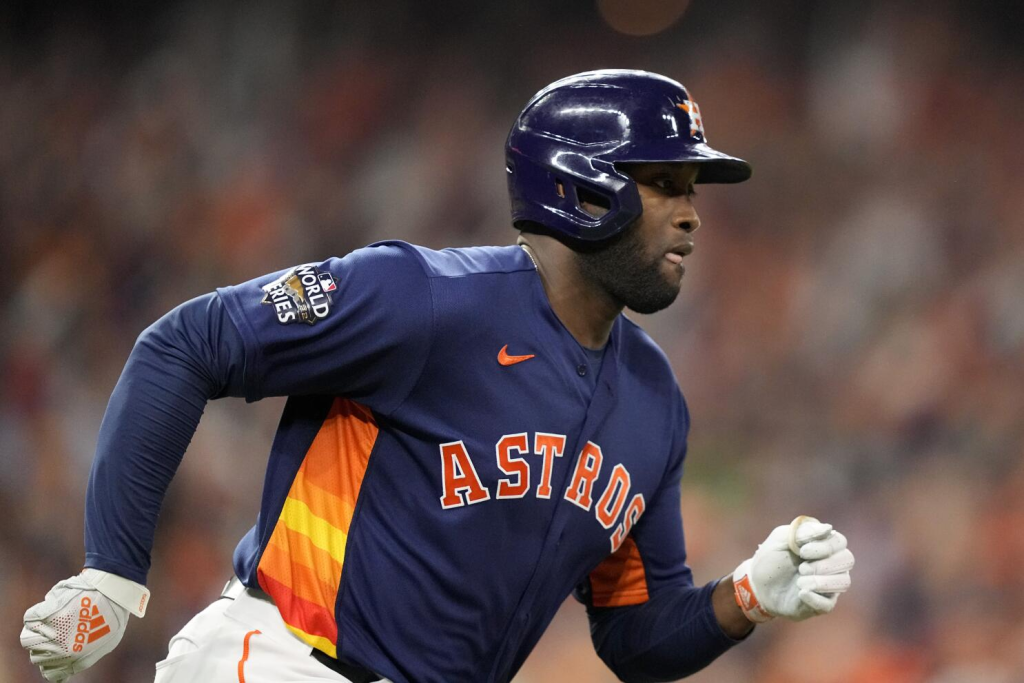
If everything breaks right, the Astros could look very different from the team that faded late in 2025. Health alone could change the equation. A full season from Yordan Álvarez would instantly elevate the lineup, while Jeremy Peña returning to early-2025 form would add another key piece to the offense.
On the pitching side, there’s upside as well.
New addition Tatsuya Imai has the potential to stabilize the rotation if he lives up to expectations. If another arm like Mike Burrows takes a step forward, the starting staff could quietly become a strength rather than a concern.
That’s the optimistic version of events.
The problem is everything hinges on best-case scenarios—and the Astros are already showing signs that reality may not cooperate.
Injuries have started to pile up again.
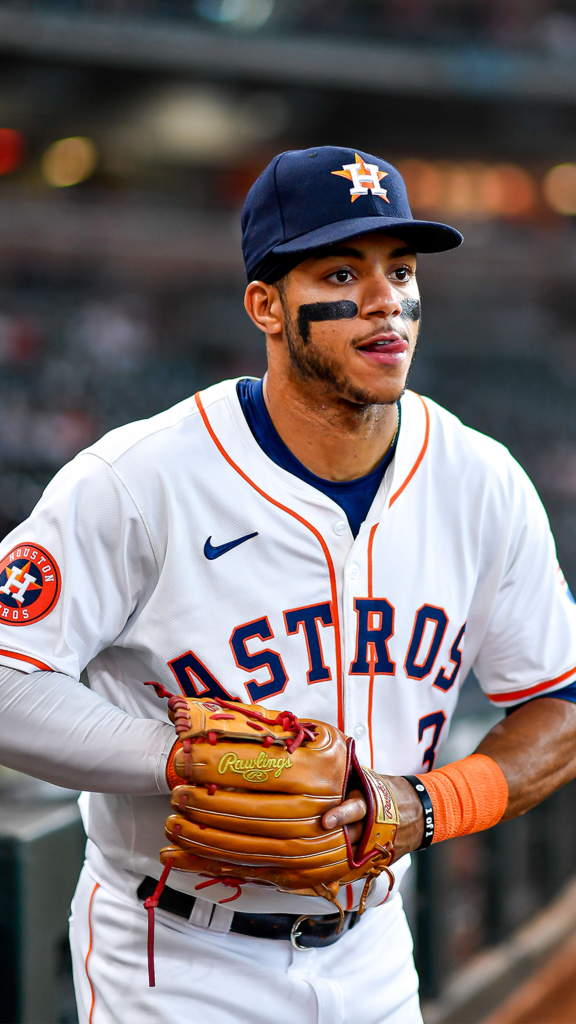
Peña, closer Josh Hader, and reliever Bennett Sousa are all expected to begin the season on the injured list. Even if those absences are short-term, they reinforce a troubling pattern. This is a team that struggled to stay healthy last year, and there’s little evidence to suggest that issue has been solved.
Then there’s the aging core.
The bullpen adds another layer of uncertainty.
Beyond Hader and Bryan Abreu, there isn’t much proven reliability. And with Hader already sidelined to start the year, the margin for error becomes even thinner. Over the course of a 162-game season, those gaps tend to get exposed.
Jose Altuve, once the engine of the lineup, showed signs of decline late last season and has continued to struggle this spring. For a player entering his mid-30s, that trend is difficult to ignore. Across the roster, similar concerns exist—players who have been great, but may no longer be at their peak.
That’s where the prediction begins to feel shaky.
Yes, there’s a scenario where Houston pieces everything together—where the stars stay healthy, the young arms deliver, and the offense rebounds. In that version of the season, a division title isn’t out of reach.
But it requires nearly everything to go right.
And in baseball, that’s rarely how it works.
The Astros aren’t without hope. They’re just walking a much narrower path than they’re used to. For a franchise that once dominated through depth and consistency, relying on “if everything clicks” is a noticeable shift.
So while the prediction isn’t impossible, it comes with a clear caveat.
The Astros can still win the division—but only if they avoid the very issues that have already started to follow them into 2026.
Leave a Reply