Bryan Ramos did everything he could this spring to earn a roster spot.
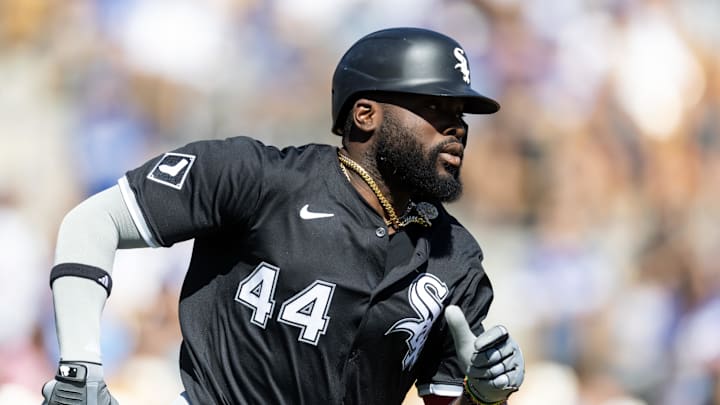
Mar 2, 2025; Phoenix, Arizona, USA; Chicago White Sox designated hitter Bryan Ramos (44) against the Los Angeles Dodgers during a spring training game at Camelback Ranch-Glendale. Mandatory Credit: Mark J. Rebilas-Imagn Images | Mark J. Rebilas-Imagn Images
It still wasn’t enough.
After an impressive showing in Orioles camp, the former White Sox top prospect has once again been designated for assignment — the latest setback in what has become a frustrating and uncertain stretch of his career.
For Ramos, the opportunity felt real this time.
The 24-year-old arrived in Baltimore looking to reset his trajectory after bouncing between organizations throughout the offseason. And for a few weeks, it looked like things might finally be turning in his favor.
He delivered at the plate.

In 15 Grapefruit League games, Ramos hit .316 with an .855 OPS, showing improved discipline and solid contact. It was the kind of performance that typically forces a decision — or at least earns a longer look.
Instead, it earned another trip to roster limbo.
To understand how he got here, you have to go back.
Ramos wasn’t always fighting for relevance. When the White Sox signed him out of Cuba in 2018, he entered the system as a relatively under-the-radar prospect. But by 2022, he had changed that narrative completely.
That season, he broke out.

With 22 home runs and a strong OPS across multiple levels, Ramos quickly climbed prospect rankings. By 2024, he was firmly among the organization’s top young talents and positioned for a potential long-term role.
Then came his first major league opportunity.
Ramos debuted in 2024, but the transition proved difficult. In limited action, he struggled to produce, posting a .585 OPS in 32 games. It wasn’t a large sample size, but it was enough to slow his momentum.
And from there, things unraveled quickly.
The addition of Miguel Vargas in Chicago further reduced his opportunities, limiting him to just a handful of major league appearances the following season. By early 2026, the White Sox moved on, designating him for assignment.
What followed was a whirlwind.

Ramos bounced between the Orioles and Cardinals in a matter of days, claimed and re-claimed on waivers as teams evaluated his potential. Each stop represented a chance — and each one proved temporary.
This spring in Baltimore felt different.
He performed. He produced. He gave the organization a reason to keep him.
But the Orioles are no longer a rebuilding team searching for upside plays. They’re deeper, more competitive, and less willing to gamble on inconsistent profiles. That reality ultimately worked against Ramos, despite his strong camp.
Now, he faces another uncertain path forward.
At just 24, time is still on his side. His talent hasn’t disappeared, and his recent performance suggests there’s still something to unlock. But the margin for error is shrinking.
Each new opportunity comes with less patience.
There’s also a broader reflection here — one that extends beyond Ramos himself.
His rise and fall mirror the White Sox’s evolving system. A few years ago, a player like Ramos might have been given a longer runway. Today, with improved depth and development, organizations are quicker to move on when production doesn’t follow projection.
It’s a harsher reality.
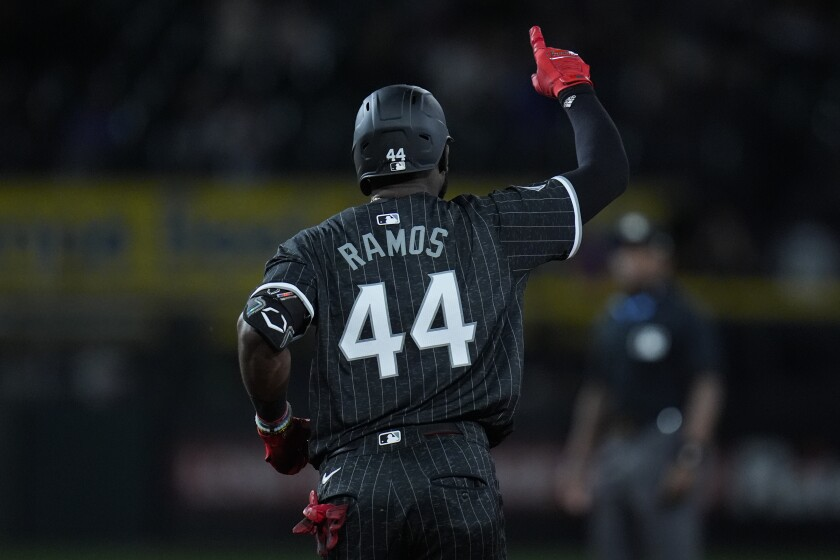
For Ramos, the next step will likely come on a minor league deal, where he’ll once again try to prove he belongs. The challenge now isn’t just earning another call-up — it’s rebuilding trust in his long-term potential.
Because in baseball, talent opens the door.
But staying power is what keeps it open.
Leave a Reply