Chicago White Sox general manager Chris Getz has made it clear how he feels about the team’s direction following the Luis Robert Jr. trade — and league observers are starting to take notice.
After setting an unfortunate MLB record with 121 losses in 2024, the White Sox rebounded in 2025 with a 19-win improvement, a step forward that signaled real progress in their long rebuild. Now, some analysts believe another leap could be coming in 2026.
ESPN’s Bradford Doolittle recently ranked Chicago fourth on his list of the top five breakout teams for the upcoming season.
For the purposes of his list, Doolittle defines a breakout team as “a club that wins at least 10 more games than what would be expected by its established level of play.” By that standard, the White Sox are firmly in the conversation.
Why Doolittle Believes in the White Sox
Doolittle pointed to prospect ascension as the primary driver behind Chicago’s potential jump.
“Maybe I’m jumping the gun a bit on the White Sox, whose definition for ‘breakout’ remains ‘less bad,’” Doolittle wrote.
“But you can sense the team is starting to take shape. Although last year’s 19-win leap will be hard to replicate, it’s just as unlikely that the White Sox will take a step backward.”

He added that the growing number of young players with meaningful major league experience makes regression unlikely, even before factoring in veteran additions.
Rather than predicting an immediate return to playoff contention, Doolittle characterized 2026 as a “soft breakout,” comparing the White Sox to the 2022 Baltimore Orioles, a team that showed clear progress before fully emerging as a contender.
The projected breakout target: 71 wins, an 11-win improvement. While Doolittle assigns only a 12% probability to that outcome, reaching that mark would still represent a major step forward for the franchise.
Why 71 Wins Is Within Reach
The White Sox’s second-half performance in 2025 offers a compelling case.
- Before the All-Star break: 32–65 (.330 winning percentage)
- After the All-Star break: 28–37 (.430 winning percentage)
A .430 winning percentage over a full season translates to roughly 70 wins, nearly identical to Doolittle’s breakout benchmark.
That improvement coincided with Chicago’s top prospects finally receiving consistent playing time together.
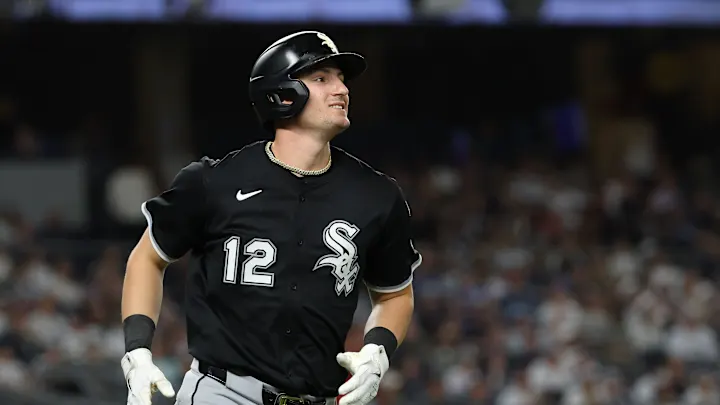
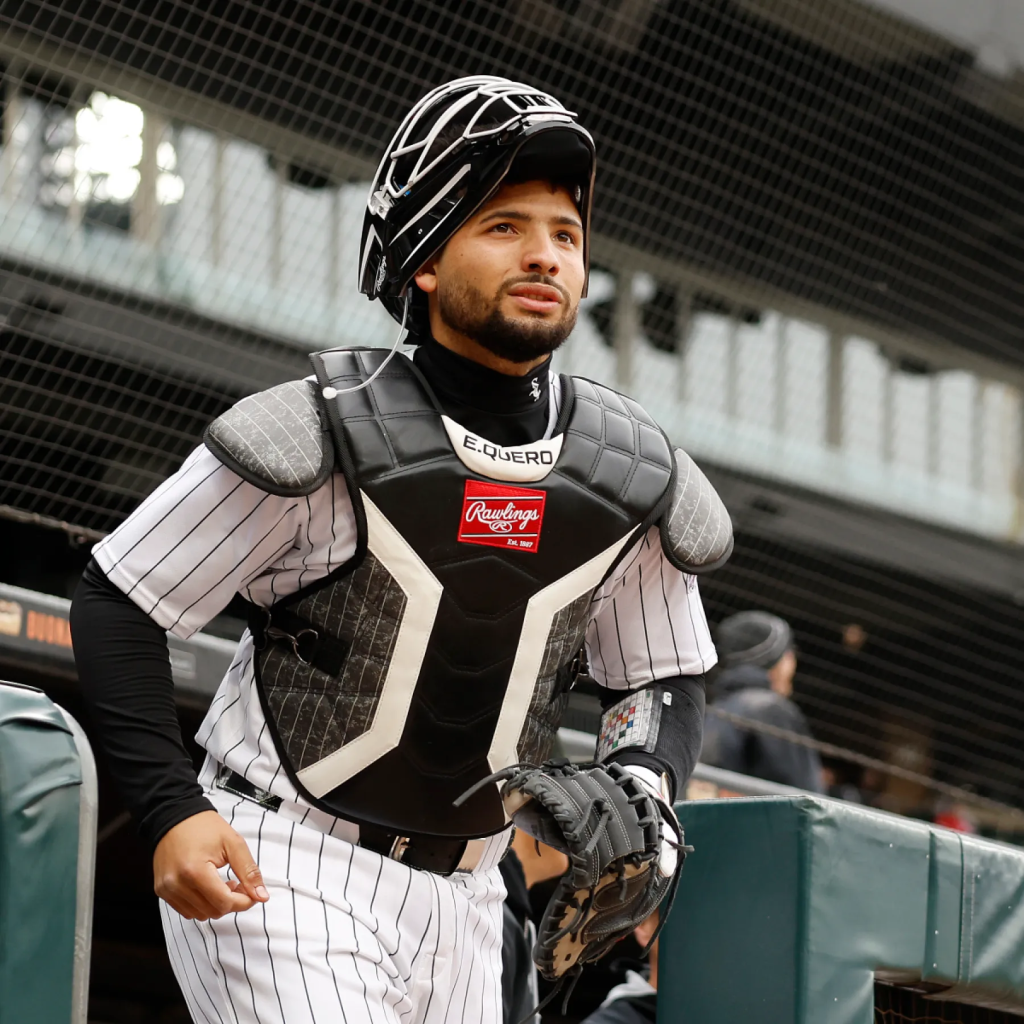
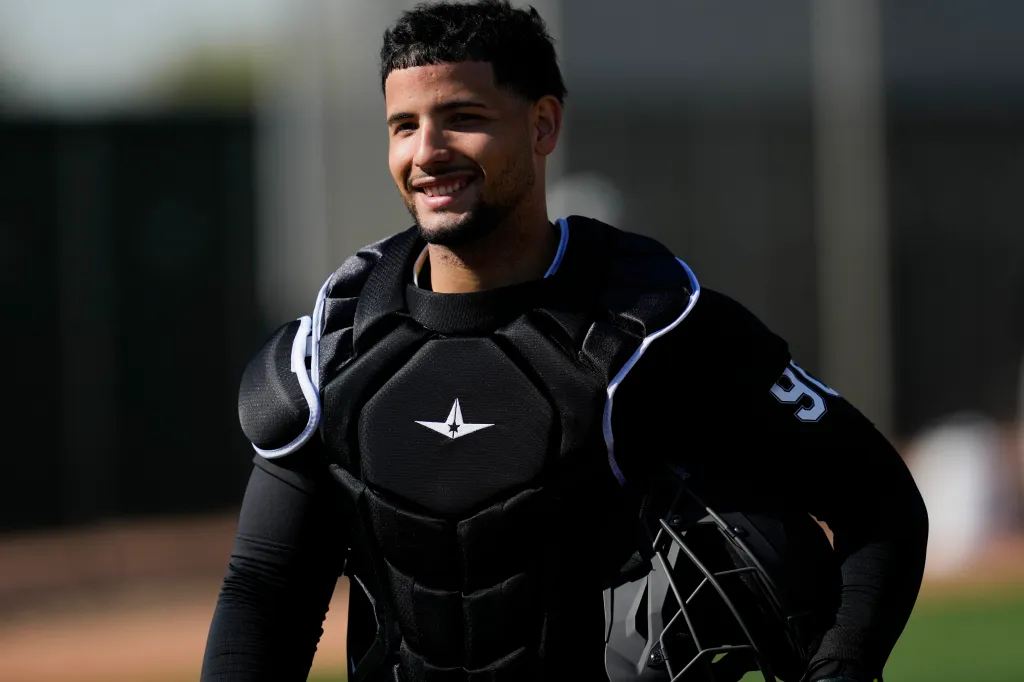
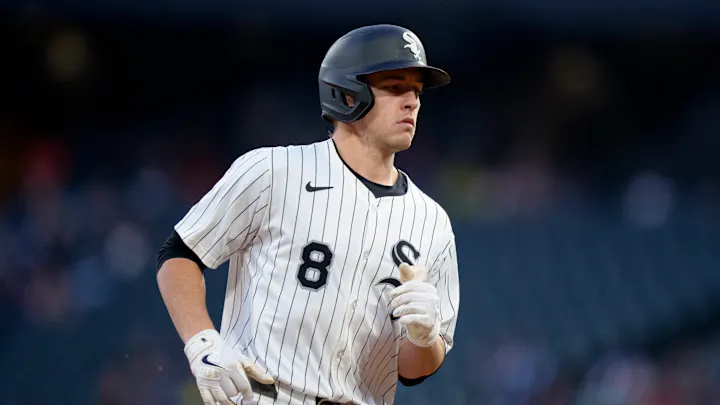
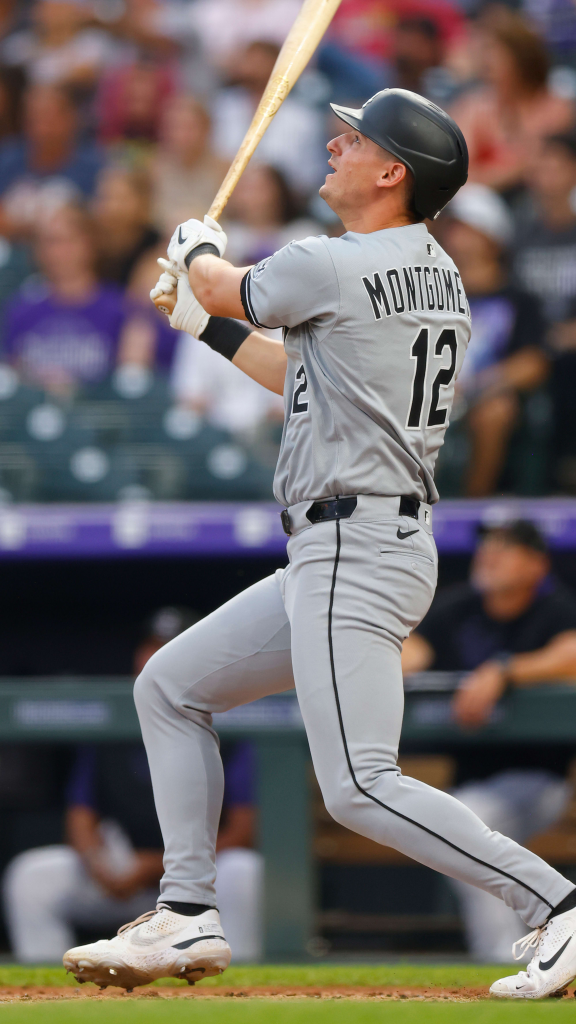
Catchers Kyle Teel and Edgar Quero both emerged as legitimate everyday contributors, each hitting above .265. Shortstop Colson Montgomery reversed early-season struggles and bust concerns by making swing adjustments with hitting director Ryan Fuller, slugging 21 home runs in just 71 games and finishing fifth in AL Rookie of the Year voting.
Infielders Lenyn Sosa and Miguel Vargas also took meaningful steps forward, hitting 22 and 16 home runs, respectively.
A More Complete Roster
The offseason signing of Japanese slugger Munetaka Murakami adds significant power to a lineup that is already trending upward. More young talent is on the way, reinforcing the sense that this is the foundation of the next competitive White Sox core.
Chicago White Sox general manager Chris Getz has made it clear how he feels about the team’s direction following the Luis Robert Jr. trade — and league observers are starting to take notice.
After setting an unfortunate MLB record with 121 losses in 2024, the White Sox rebounded in 2025 with a 19-win improvement, a step forward that signaled real progress in their long rebuild. Now, some analysts believe another leap could be coming in 2026.
ESPN’s Bradford Doolittle recently ranked Chicago fourth on his list of the top five breakout teams for the upcoming season.
For the purposes of his list, Doolittle defines a breakout team as “a club that wins at least 10 more games than what would be expected by its established level of play.” By that standard, the White Sox are firmly in the conversation.
Why Doolittle Believes in the White Sox
Doolittle pointed to prospect ascension as the primary driver behind Chicago’s potential jump.
“Maybe I’m jumping the gun a bit on the White Sox, whose definition for ‘breakout’ remains ‘less bad,’” Doolittle wrote.
“But you can sense the team is starting to take shape. Although last year’s 19-win leap will be hard to replicate, it’s just as unlikely that the White Sox will take a step backward.”
He added that the growing number of young players with meaningful major league experience makes regression unlikely, even before factoring in veteran additions.
Rather than predicting an immediate return to playoff contention, Doolittle characterized 2026 as a “soft breakout,” comparing the White Sox to the 2022 Baltimore Orioles, a team that showed clear progress before fully emerging as a contender.
The projected breakout target: 71 wins, an 11-win improvement. While Doolittle assigns only a 12% probability to that outcome, reaching that mark would still represent a major step forward for the franchise.
Why 71 Wins Is Within Reach
The White Sox’s second-half performance in 2025 offers a compelling case.
- Before the All-Star break: 32–65 (.330 winning percentage)
- After the All-Star break: 28–37 (.430 winning percentage)
A .430 winning percentage over a full season translates to roughly 70 wins, nearly identical to Doolittle’s breakout benchmark.
That improvement coincided with Chicago’s top prospects finally receiving consistent playing time together.
Catchers Kyle Teel and Edgar Quero both emerged as legitimate everyday contributors, each hitting above .265. Shortstop Colson Montgomery reversed early-season struggles and bust concerns by making swing adjustments with hitting director Ryan Fuller, slugging 21 home runs in just 71 games and finishing fifth in AL Rookie of the Year voting.
Infielders Lenyn Sosa and Miguel Vargas also took meaningful steps forward, hitting 22 and 16 home runs, respectively.
A More Complete Roster
The offseason signing of Japanese slugger Munetaka Murakami adds significant power to a lineup that is already trending upward. More young talent is on the way, reinforcing the sense that this is the foundation of the next competitive White Sox core.
Chicago also addressed one of its biggest weaknesses from 2025: close games. The White Sox struggled badly in one- and two-run contests, but the addition of Seranthony Domínguez gives them a true closer capable of protecting late leads.
The Outlook for 2026
While the White Sox may still be a year or two away from legitimate postseason contention, the pieces are clearly starting to align. Continued development from their young core, combined with smarter roster construction, suggests that Chicago’s upward trajectory is real.
A breakout season may not mean October baseball just yet — but 2026 could mark the moment when the White Sox finally stop being “less bad” and start becoming genuinely competitive again.
Chicago White Sox general manager Chris Getz has made it clear how he feels about the team’s direction following the Luis Robert Jr. trade — and league observers are starting to take notice.
After setting an unfortunate MLB record with 121 losses in 2024, the White Sox rebounded in 2025 with a 19-win improvement, a step forward that signaled real progress in their long rebuild. Now, some analysts believe another leap could be coming in 2026.
ESPN’s Bradford Doolittle recently ranked Chicago fourth on his list of the top five breakout teams for the upcoming season.
For the purposes of his list, Doolittle defines a breakout team as “a club that wins at least 10 more games than what would be expected by its established level of play.” By that standard, the White Sox are firmly in the conversation.
Why Doolittle Believes in the White Sox
Doolittle pointed to prospect ascension as the primary driver behind Chicago’s potential jump.
“Maybe I’m jumping the gun a bit on the White Sox, whose definition for ‘breakout’ remains ‘less bad,’” Doolittle wrote.
“But you can sense the team is starting to take shape. Although last year’s 19-win leap will be hard to replicate, it’s just as unlikely that the White Sox will take a step backward.”
He added that the growing number of young players with meaningful major league experience makes regression unlikely, even before factoring in veteran additions.
Rather than predicting an immediate return to playoff contention, Doolittle characterized 2026 as a “soft breakout,” comparing the White Sox to the 2022 Baltimore Orioles, a team that showed clear progress before fully emerging as a contender.
The projected breakout target: 71 wins, an 11-win improvement. While Doolittle assigns only a 12% probability to that outcome, reaching that mark would still represent a major step forward for the franchise.
Why 71 Wins Is Within Reach
The White Sox’s second-half performance in 2025 offers a compelling case.
- Before the All-Star break: 32–65 (.330 winning percentage)
- After the All-Star break: 28–37 (.430 winning percentage)
A .430 winning percentage over a full season translates to roughly 70 wins, nearly identical to Doolittle’s breakout benchmark.
That improvement coincided with Chicago’s top prospects finally receiving consistent playing time together.
Catchers Kyle Teel and Edgar Quero both emerged as legitimate everyday contributors, each hitting above .265. Shortstop Colson Montgomery reversed early-season struggles and bust concerns by making swing adjustments with hitting director Ryan Fuller, slugging 21 home runs in just 71 games and finishing fifth in AL Rookie of the Year voting.
Infielders Lenyn Sosa and Miguel Vargas also took meaningful steps forward, hitting 22 and 16 home runs, respectively.
A More Complete Roster
The offseason signing of Japanese slugger Munetaka Murakami adds significant power to a lineup that is already trending upward. More young talent is on the way, reinforcing the sense that this is the foundation of the next competitive White Sox core.
Chicago also addressed one of its biggest weaknesses from 2025: close games. The White Sox struggled badly in one- and two-run contests, but the addition of Seranthony Domínguez gives them a true closer capable of protecting late leads.
The Outlook for 2026
While the White Sox may still be a year or two away from legitimate postseason contention, the pieces are clearly starting to align. Continued development from their young core, combined with smarter roster construction, suggests that Chicago’s upward trajectory is real.
A breakout season may not mean October baseball just yet — but 2026 could mark the moment when the White Sox finally stop being “less bad” and start becoming genuinely competitive again.
Chicago also addressed one of its biggest weaknesses from 2025: close games. The White Sox struggled badly in one- and two-run contests, but the addition of Seranthony Domínguez gives them a true closer capable of protecting late leads.
The Outlook for 2026
While the White Sox may still be a year or two away from legitimate postseason contention, the pieces are clearly starting to align. Continued development from their young core, combined with smarter roster construction, suggests that Chicago’s upward trajectory is real.
A breakout season may not mean October baseball just yet — but 2026 could mark the moment when the White Sox finally stop being “less bad” and start becoming genuinely competitive again.
Leave a Reply