With Opening Day just days away, the Chicago White Sox are beginning to show their hand.
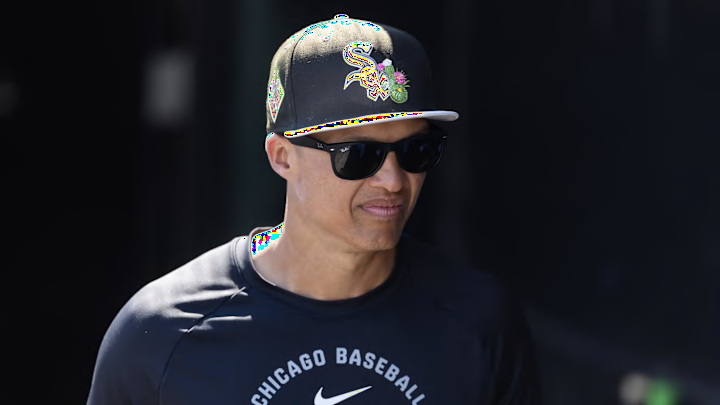
Manager Will Venable has officially named the team’s starting rotation, bringing clarity to one of the most closely watched battles of spring training. But while the decisions are now in place, the real question is what this group can actually deliver over a full season.
There’s no shortage of intrigue.
Shane Smith will take the ball on Opening Day, a move that comes as little surprise after his strong rookie campaign. The right-hander emerged as the team’s lone All-Star last season and now steps into the role of staff leader. Facing his former organization in Milwaukee adds an extra layer of motivation, though his uneven spring serves as a reminder that consistency will be key.
Behind him is Sean Burke, a pitcher who embodies both promise and uncertainty.
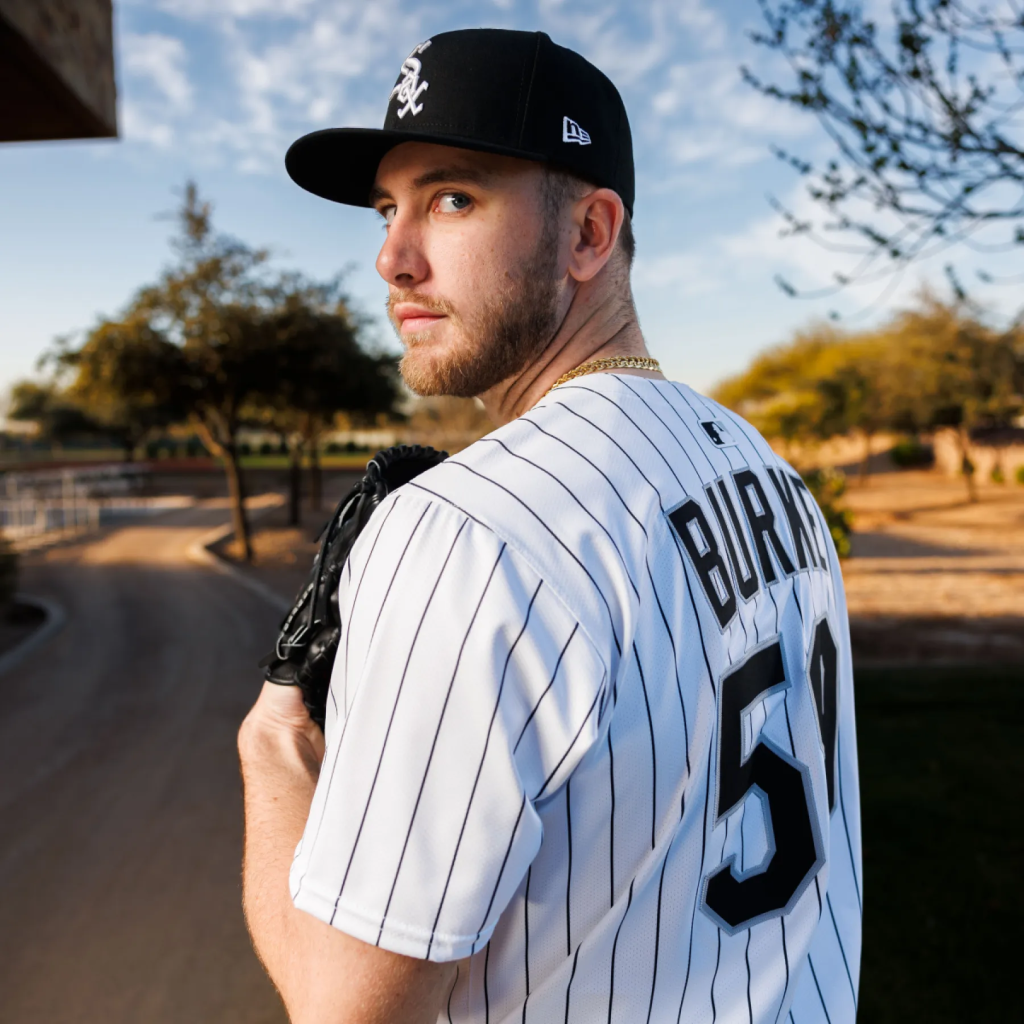
Burke’s 2025 season was a rollercoaster, featuring flashes of dominance mixed with stretches of inconsistency that even led to a brief demotion. This spring, however, he’s shown improved command—something that could unlock his high-end potential if it holds. His spot near the top of the rotation signals the team’s belief in his upside.
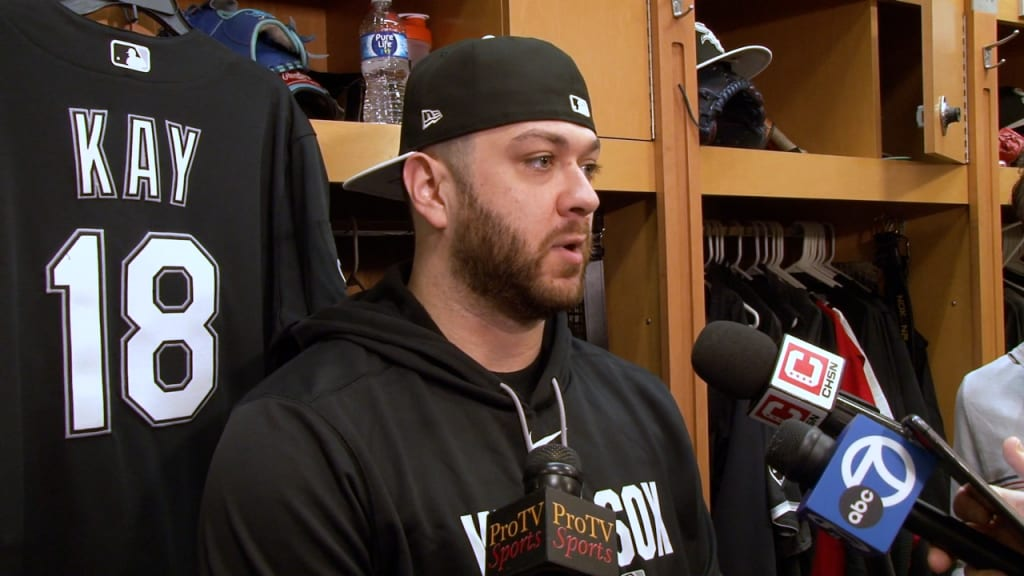
Anthony Kay may be the most unpredictable piece of the group.
After spending time overseas refining his approach, the left-hander returns with a revamped arsenal that impressed during camp. His ability to generate ground balls could make him a valuable asset, especially as the lone lefty in the rotation. Slotting him third helps balance the staff, but it also places immediate pressure on him to deliver.
Davis Martin offers a different profile entirely.
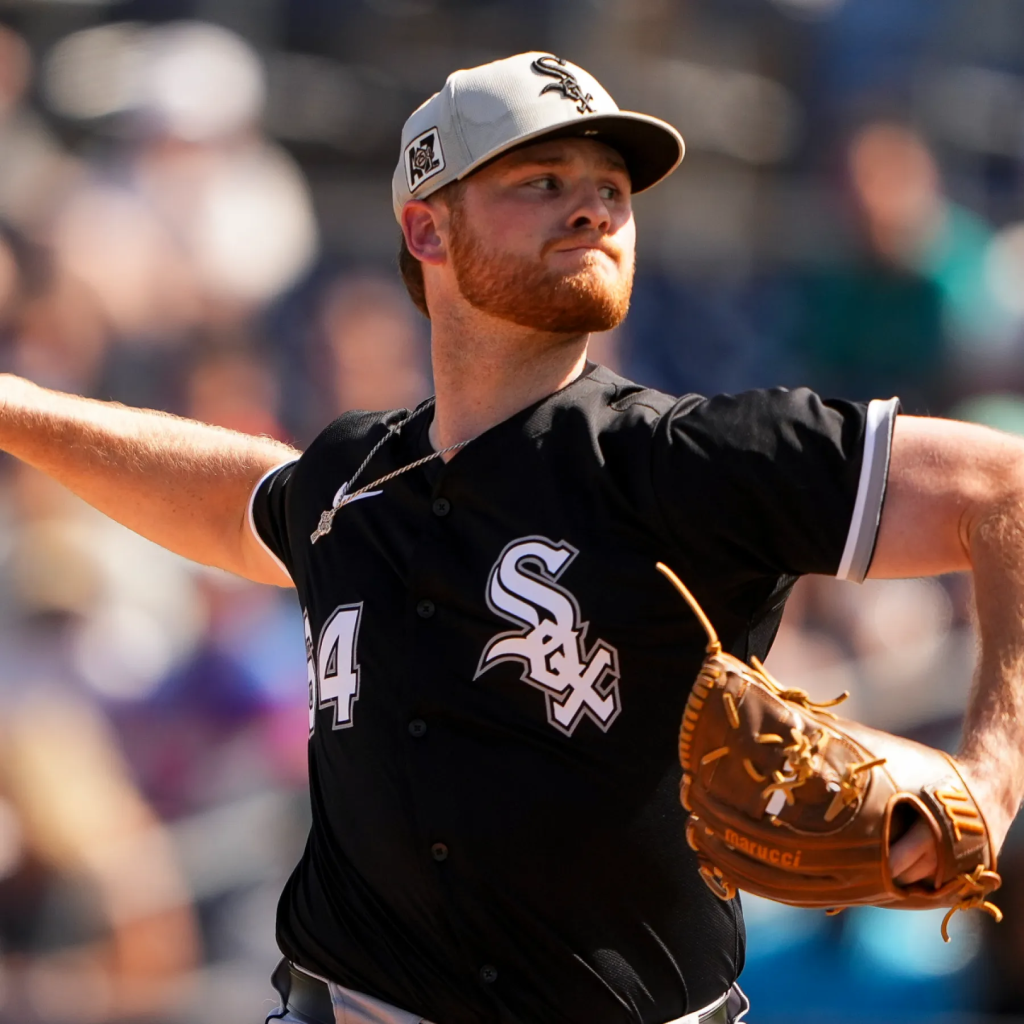
Not overpowering, not flashy—but reliable. As one of the more experienced arms on the roster, Martin provides stability for a young rotation still finding its identity. Now further removed from Tommy John surgery, he’ll be counted on to eat innings and keep games within reach.
Then there’s Erick Fedde.
Back with the White Sox after time away, Fedde represents both opportunity and uncertainty. His previous stint in Chicago produced the best stretch of his career, and the team is hoping lightning can strike twice. At the same time, his role could be temporary, especially with top pitching prospects pushing their way toward the majors.
That looming competition adds another layer to this rotation.
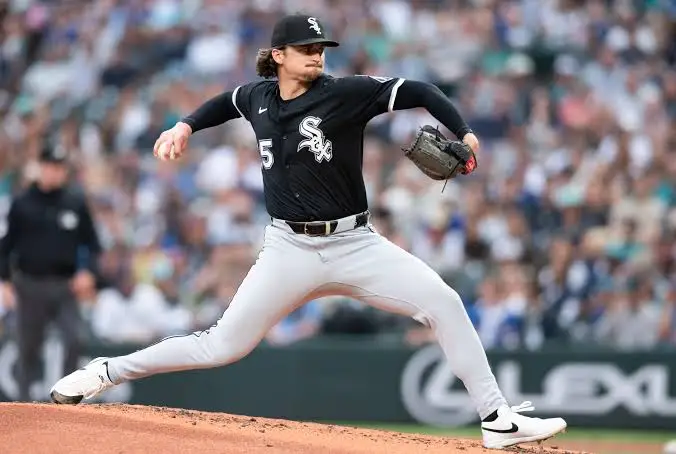
Chicago isn’t just building for the present—they’re managing a transition. With young arms developing rapidly in the system, performance at the big-league level will directly impact who stays and who gets replaced.
That makes this rotation more than just a starting five.
It’s a test.
A test of development, of durability, and of whether this group can help the White Sox turn the page after several difficult seasons. There’s talent here, but also plenty of unknowns.
And as the season begins, those unknowns will quickly turn into answers.
Leave a Reply