A week into Cactus League play, optimism is easy to find on the South Side.
Aug 10, 2025; Chicago, Illinois, USA; Chicago White Sox starting pitcher Davis Martin (65) smiles after ending the first inning against the Cleveland Guardians at Rate Field. Mandatory Credit: Patrick Gorski-Imagn Images | Patrick Gorski-Imagn Images
The White Sox lineup looks deeper. The bullpen appears improved. Young position players are flashing upside. But if 2026 is going to be more than a modest step forward, the answer won’t come from the batter’s box.
It will come from the rotation.
Chicago’s offense should be respectable. The additions of Munetaka Murakami and Austin Hays give the lineup legitimate punch to complement an emerging young core. The bullpen, bolstered by Seranthony Domínguez, Sean Newcomb, and Jordan Hicks — along with returning contributors like Grant Taylor, Mike Vasil, and Jordan Leasure — could quietly become a strength.
That’s the encouraging part.
The uncertainty begins with the starters.
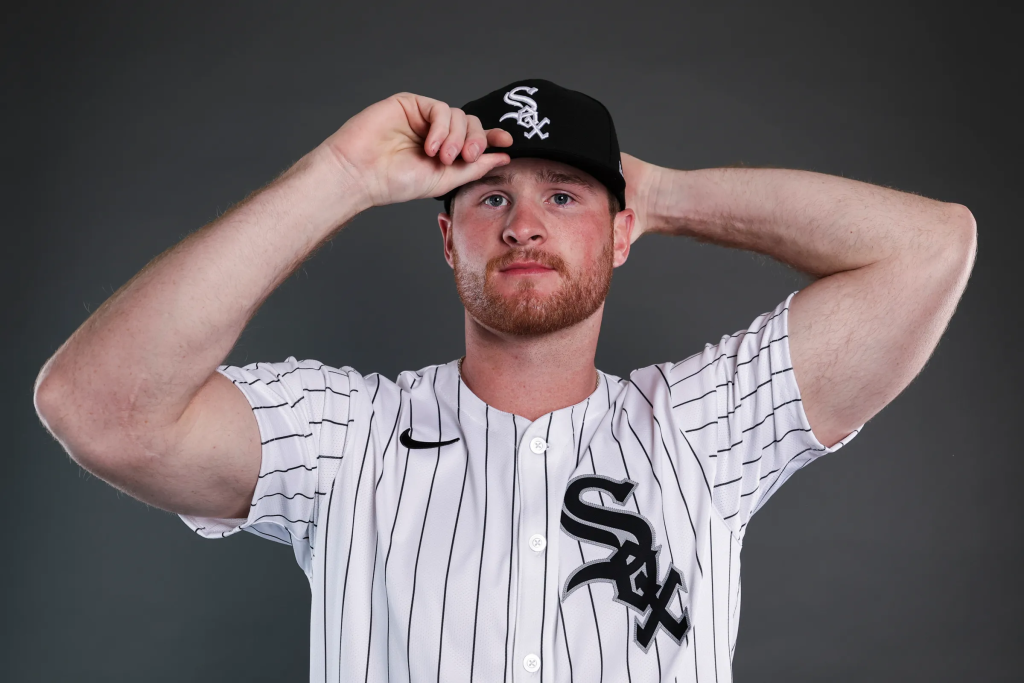
Shane Smith was one of baseball’s best stories in 2025, jumping from Rule 5 selection to All-Star. He logged 146 1/3 innings, navigated a midseason slump, and finished strong after a brief IL stint to rest his arm. But sustaining that success requires refinement. His curveball and slider were hit harder than ideal last year, and early spring control issues hint that consistency remains a work in progress.
If Smith repeats — or improves — Chicago has a legitimate top-of-the-rotation presence.
If he regresses, the trickle-down effect could be significant.
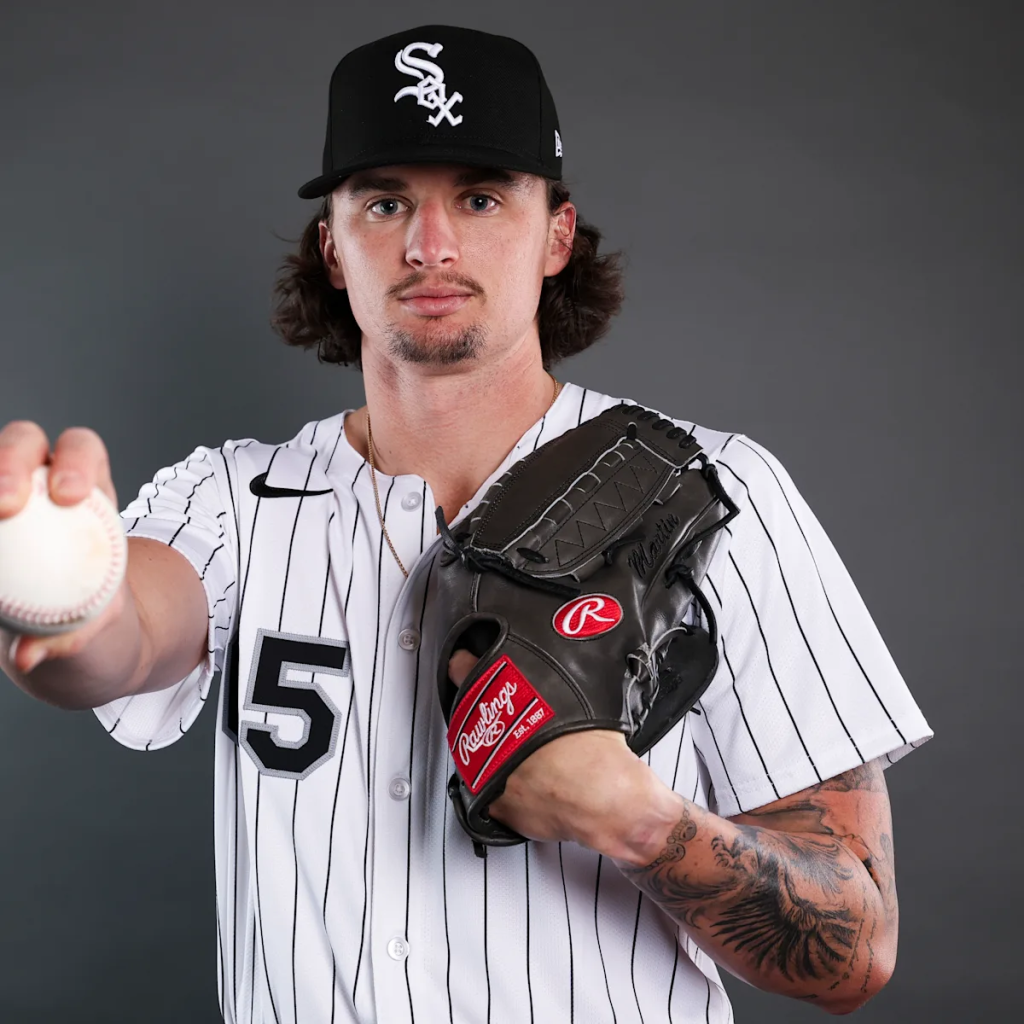
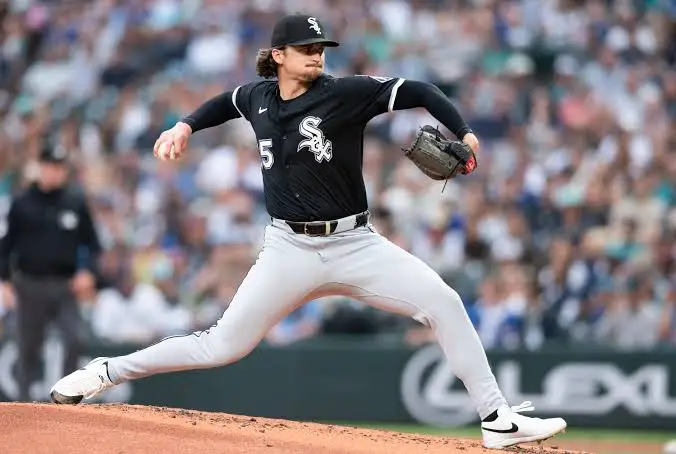
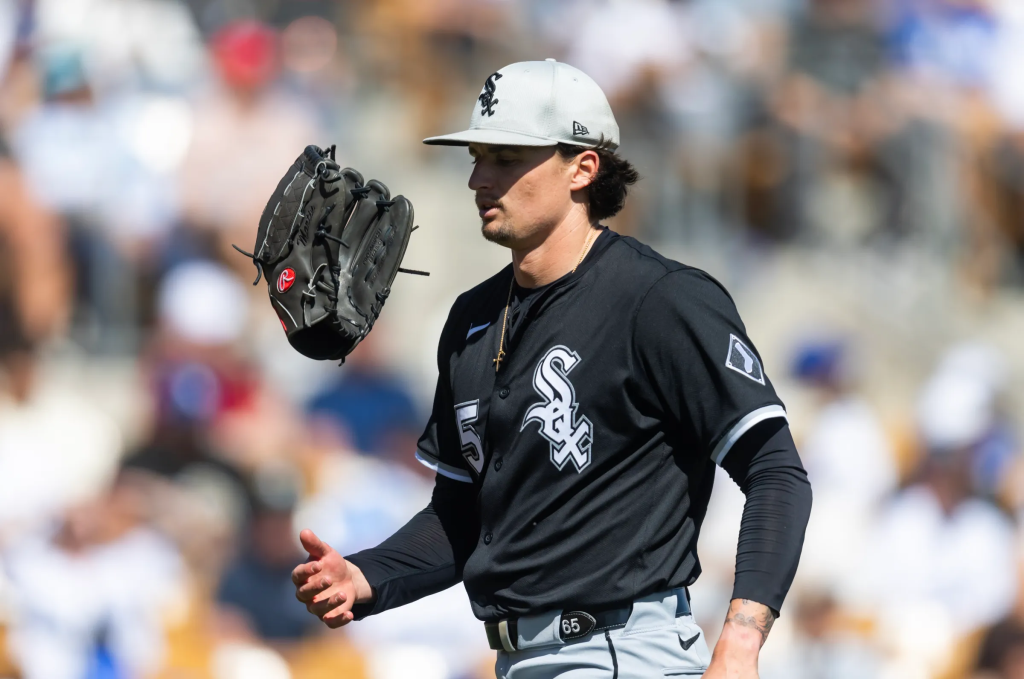
Davis Martin’s surface numbers in his first full year back from Tommy John surgery were solid. But underlying metrics told a more cautious story. His xERA of 5.13 suggested he benefited from some favorable variance. He didn’t miss as many bats as a reliable mid-rotation arm typically does, and hard contact was a recurring theme.
For the White Sox to climb, Martin must sharpen his ability to put hitters away.
Anthony Kay represents perhaps the widest range of outcomes. After two years in Japan reworking his arsenal, he returns to MLB following a dominant 1.74 ERA season overseas. His heavy reliance on a sinker that generated extreme ground-ball rates fueled that success.
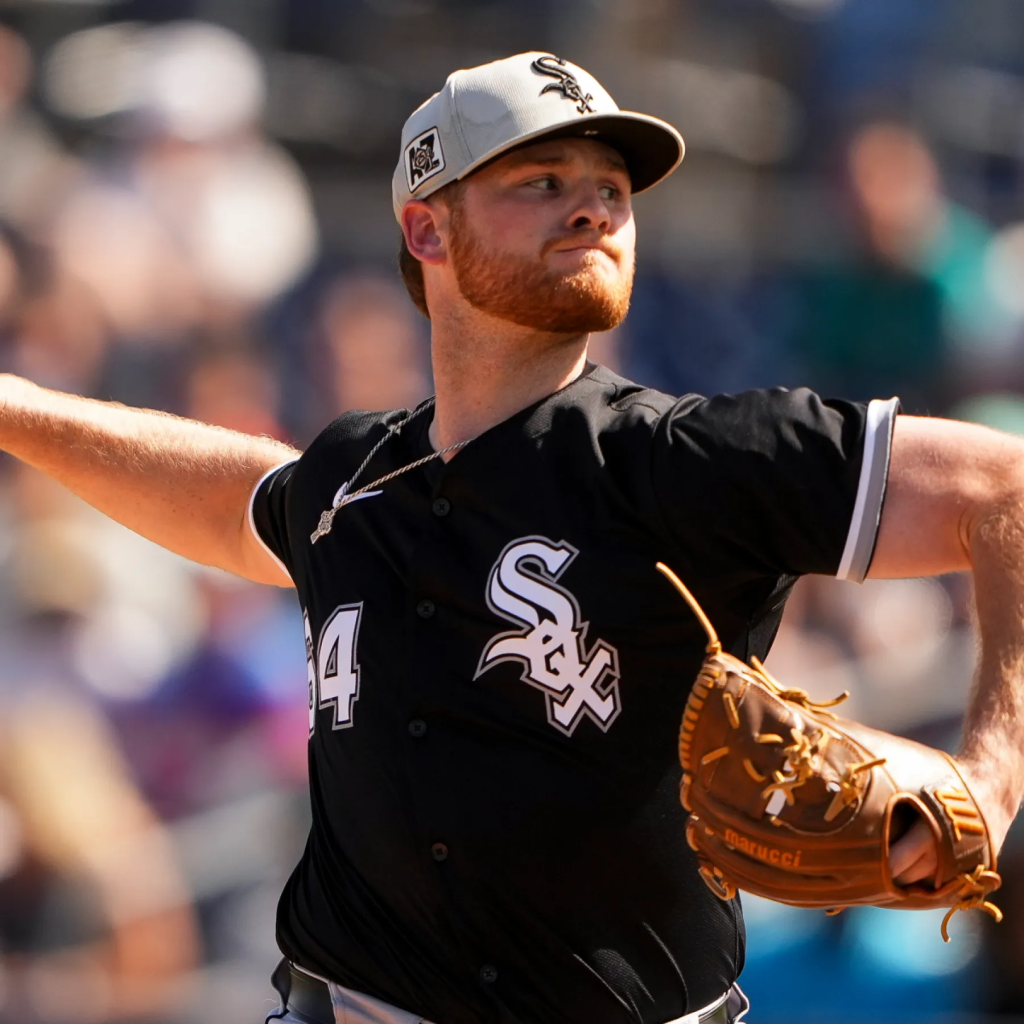
But translating that approach against major league hitters is another challenge entirely.
Kay could be one of the offseason’s best value signings — or revert to pre-Japan inconsistency.
Erick Fedde’s return adds familiarity but not certainty. After being traded in 2024 and enduring a difficult 2025 season split across three teams, Fedde is attempting to rediscover the form that once made him effective in Chicago. Counting on a full rebound is risky.
Then there’s the fifth spot.
Sean Burke, Tanner McDougal, Noah Schultz, and Hagen Smith all loom as high-upside, inexperienced options. Their development isn’t just important for 2026 — it shapes the franchise’s long-term trajectory.
The rotation, in short, carries volatility.
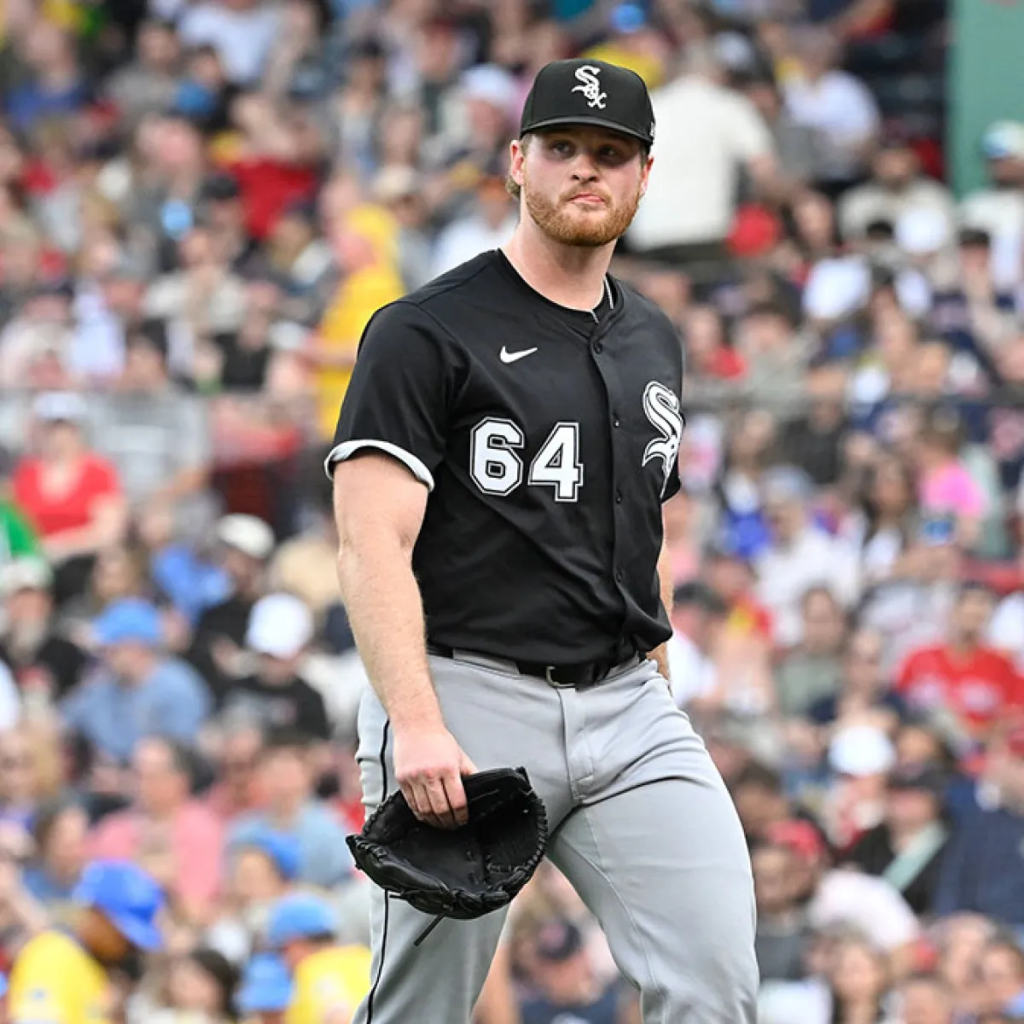
If Smith, Martin, and Kay hold steady — and one or two young arms break through — the White Sox can hang in games. The improved bullpen would be positioned to convert more tight contests into wins.
But if regression hits across the board, even a strengthened offense won’t be enough to mask the damage.
That’s why expectations for a playoff run remain tempered.
The White Sox don’t lack talent. They lack certainty on the mound.
In 2026, Chicago will only go as far as its starting pitching allows. The lineup can keep them competitive. The bullpen can protect leads.
But the rotation will determine whether this is merely progress — or something far more surprising.
Leave a Reply