Tension Peaks as Hearing for Sheriff’s Murder Trial Unfolds: A Legal Drama in Real Time
The courtroom was electric — a charged, humming atmosphere that signaled the stakes had never been higher. Sheriff Shawn “Mickey” Stines, at the center of one of Kentucky’s most explosive murder cases, sat stiffly as arguments volleyed back and forth, each one threatening to alter the trajectory of his fate. What began as a routine status hearing quickly spiraled into a legal showdown that left the packed gallery hanging onto every word.

Presiding Judge Chris opened the proceedings with a focus on the sealed KCPC evaluation, a document that could determine whether Stines would ever be granted bond. The defense insisted that the evaluation contained critical insight into Stines’ mental state — insight they claim could reshape the court’s perception of the sheriff who stands accused of killing District Judge Kevin Mullins. The thought that these pages might hold the key to Stines’ freedom rippled through the courtroom like a current.
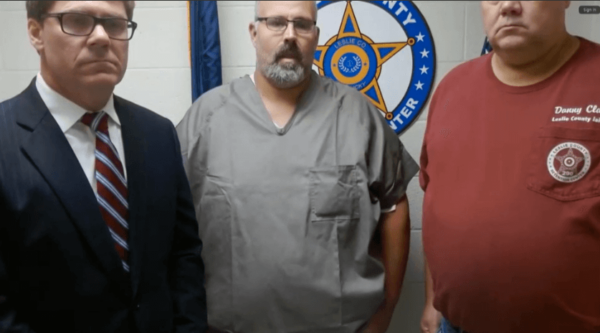
Defense attorney Jeremy Bartley pushed the tension even higher with a bold move: a request to dismiss the indictment altogether. He argued that the grand jury process had been flawed from the start — tainted by mishandled testimony, hearsay presented as fact, and a fixation on Stines’ mental health that, in Bartley’s view, improperly influenced jurors. The implication was unmistakable: the system meant to protect justice may have poisoned it.
Prosecutor Krie Bartley — no relation, but every bit the counterpart in this legal duel — fired back sharply. Grand jury proceedings, she reminded the court, operate under different rules, where hearsay is allowed and opinion testimony is routine. Nothing, she argued, was done outside the bounds of the law. The indictment, she maintained, was solid.
But the defense wouldn’t let up. They emphasized how long the grand jury spent probing Stines’ mental stability, suggesting the questioning crossed a line and may have shaped the jurors’ perspective before they even considered hard evidence. The courtroom leaned in, sensing the magnitude of what was being implied. If true, this could open the door to a fractured indictment — and a dramatically different trial.
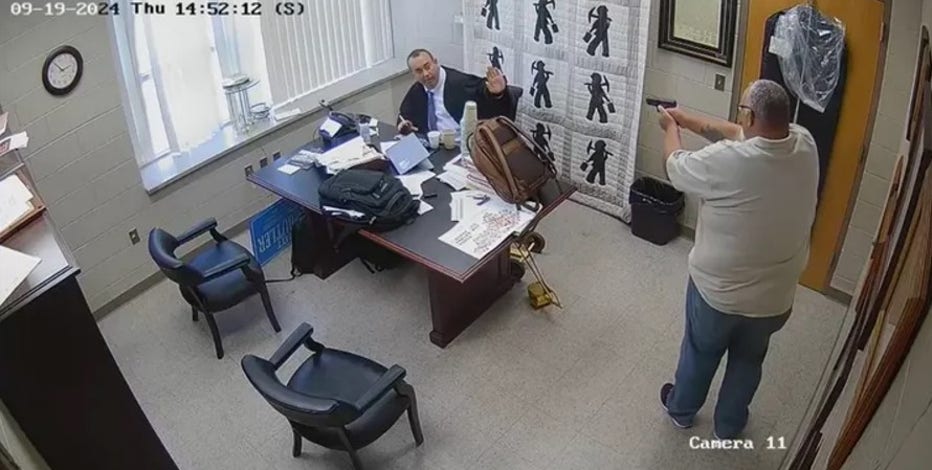
Judge Chris listened closely, hands folded, his expression unreadable. Each side raised issues that could alter not only the case, but the public’s trust in how justice is delivered. He acknowledged the KCPC evaluation’s significance and made it clear the courtroom wasn’t done with these arguments — more hearings would be required, more motions, more scrutiny. The machinery of justice would grind forward, slowly, meticulously.

When the judge paused to consider his next words, the silence was palpable. Families of both the victim and the accused sat breathless. Reporters’ fingers hovered over keyboards. The community watching from afar sensed the weight of the moment. When Judge Chris finally spoke, he set a tentative schedule for future hearings, signaling that the case would only intensify from here.
As the gavel fell and the courtroom emptied, the tension refused to dissipate. Conversations spilled into hallways, parking lots, and social media feeds. Everyone had an opinion — and everyone understood that the next phase of this legal battle could reshape the narrative entirely.
In the coming weeks, new filings, new evidence, and new arguments will converge into what is shaping up to be a pivotal chapter in the trial of Sheriff Stines. The courthouse, once a symbol of orderly justice, has become a battleground where truth, strategy, and reputation collide. And until the next hearing, the entire community waits — unsettled, divided, and bracing for whatever comes next in a case that shows no signs of slowing down.
Leave a Reply