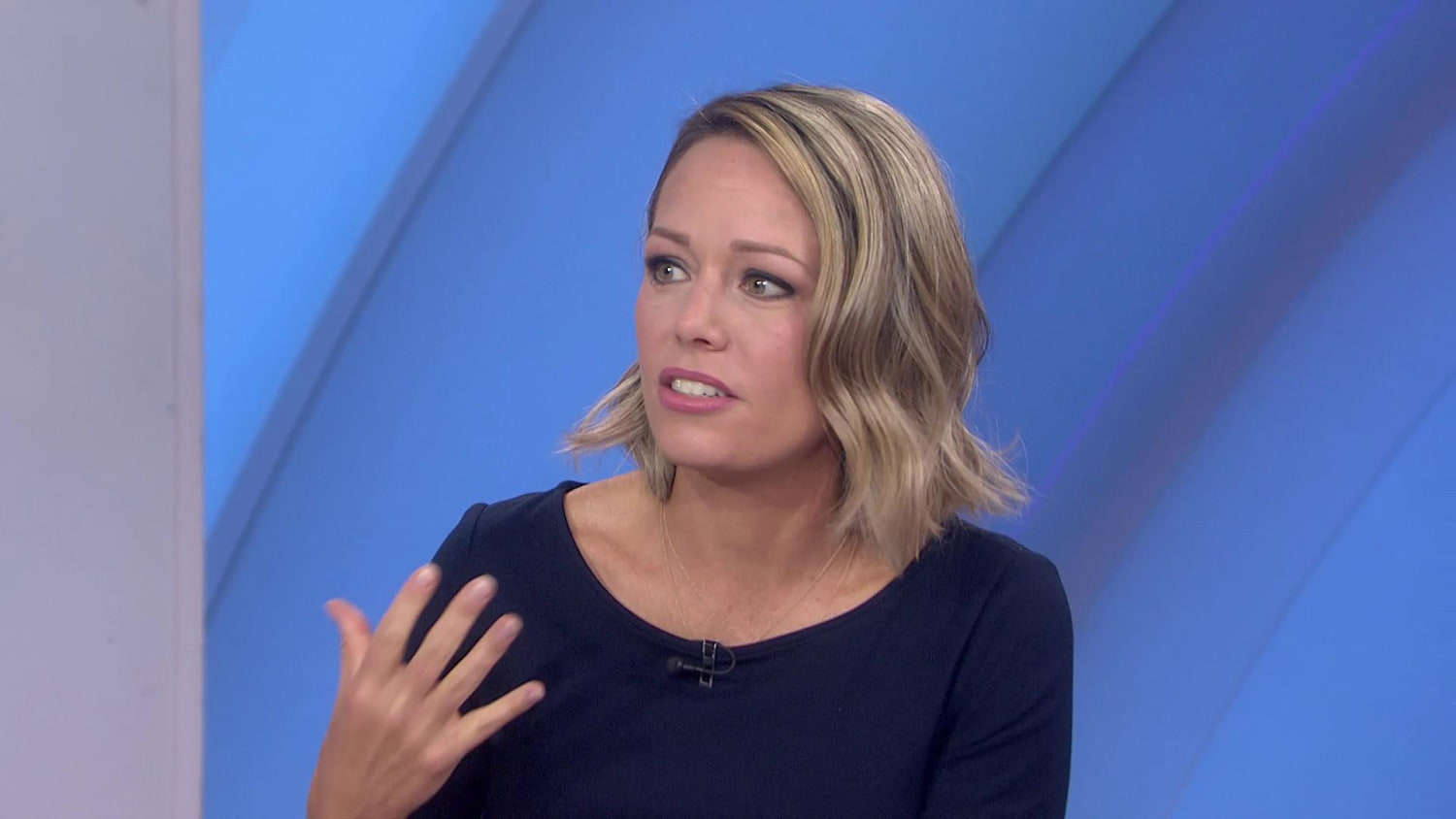
Miscarriage and infertility affect millions of women every year — yet too often, these deeply personal experiences remain shrouded in silence. For NBC meteorologist and Today show cohost Dylan Dreyer, breaking that silence became one of the most powerful choices she ever made.
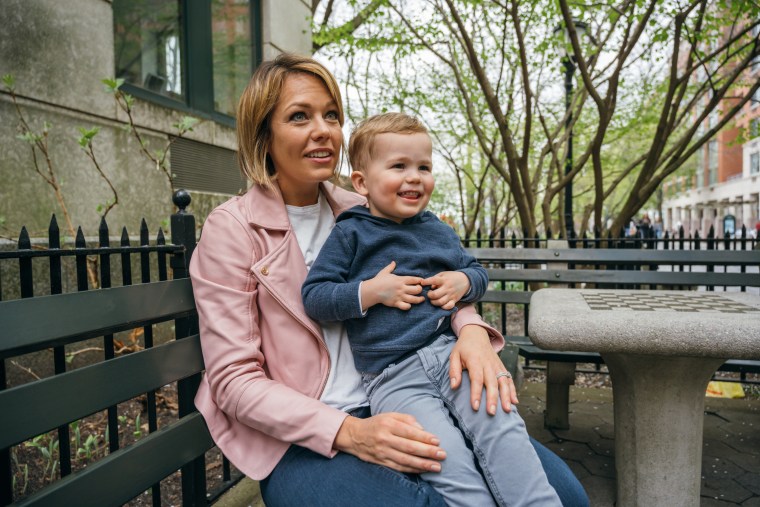
When Dylan and her husband first decided to start a family, everything unfolded with joyful ease. One quiet evening, while watching TV, they simply looked at each other and agreed: it was time. Not long after, she became pregnant with their first child. Her son Calvin arrived in December 2016 — healthy, happy, and without complication. Motherhood, at first, felt magical.
But as Dylan later learned, no two pregnancies are the same.
After Calvin’s birth, medical tests revealed difficult news: at 37, her ovarian reserve was similar to that of someone nearly a decade older. She also developed uterine scarring and underwent surgery to treat it. Doctors warned that getting pregnant again would be much more difficult.
So when she did see that positive test the second time, the moment felt like pure celebration — all joy, all hope. She and her husband hugged, jumped around their living room, and believed they had overcome the odds.
Eight weeks later, everything changed.
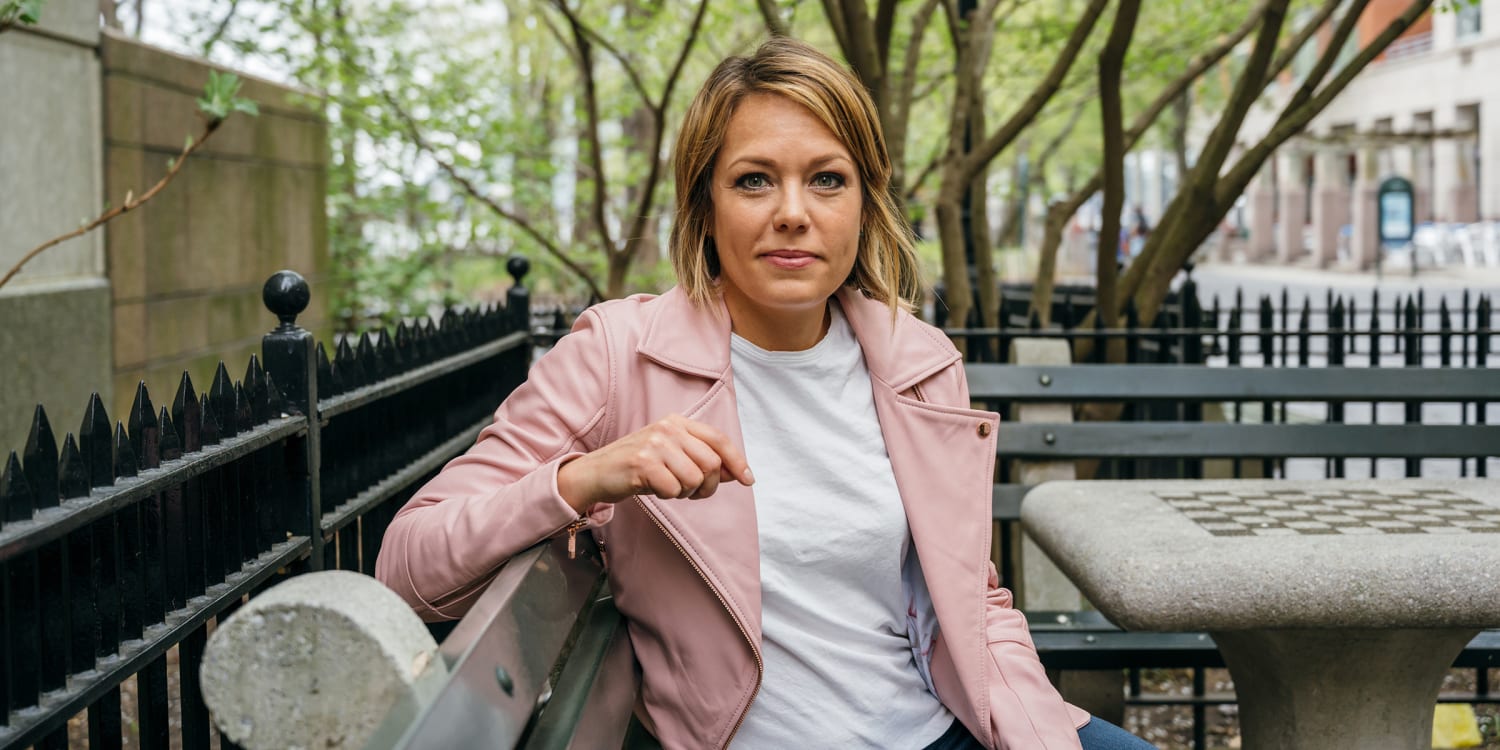
One morning, while preparing to head into the studio, Dylan noticed abnormal bleeding. The excitement they had been living in for weeks disappeared instantly. She was miscarrying.
What followed was a dizzying mix of shock, grief, and fear — all before she was expected to sit under bright lights and deliver the news to America with a smile.
That emotional whiplash opened the door to painful self-questioning. Like so many women facing pregnancy loss, she searched for anything that could explain it. Did I work too much? Did I walk too far? Was it because of that snowball my brother tossed at me the other day? The rational mind may know none of those things cause miscarriage — yet the heart still wonders and blames itself.
“It’s irrational,” she would later explain, “but in the moment, guilt takes over.”
Instead of quietly carrying that guilt alone, Dylan made a decision: she would speak publicly about her miscarriage.
At first, the act of sharing was purely for healing — a way to release the weight she was holding. What she didn’t expect was the overwhelming response that followed. Messages of support poured in from viewers and strangers, each containing words of empathy and shared experience. Many told Dylan that her honesty helped them feel less alone — and their stories helped her heal too.
The disclosures didn’t stop with fans. Friends she had known for years confided their own losses and struggles — stories she never knew existed. It was a wake-up call. So many people she loved were walking through the same emotional storm, yet no one had ever talked about it.
That silence, Dylan realized, was part of the problem.
“The first trimester can be terrifying,” she reflected. “You’re holding onto this secret while falling asleep every night hoping everything is okay.” Shame and fear keep women quiet — afraid to announce a pregnancy too soon, afraid to share a loss at all.
Dylan and her husband continued trying for another baby, but this time the journey brought its own heartbreak: secondary infertility. Despite having one child, getting pregnant again felt like hitting a wall. And once more, she chose transparency instead of secrecy.
Life didn’t pause while she was hurting — she still woke up before dawn, delivered forecasts to millions, packed Calvin’s backpack, and tried to maintain normalcy at home. But one universal truth stood out: grief is heavier when carried alone.
When she opened up about infertility, even more women reached out, confiding their similar battles — IVF cycles, years of trying, long nights of tears. Those conversations built a community she never anticipated. A shared voice. A collective relief.

And then, a new chapter: she became pregnant again. Her second son was due in January. The joy was immense — but her advocacy didn’t end.
For Dylan, this was never just about her personal story. It was about shifting a culture that trains women to hide what their bodies naturally go through — whether miscarriage, fertility treatments, or even something as routine as a period.
“We tuck tampons up our sleeves so no one sees,” she joked once — but beneath the humor lay a truth: women’s bodies are too often treated as something to be concealed.
Miscarriage. Infertility. These experiences already hurt — silence should never make them hurt more.
By choosing to speak openly, Dylan found connection, and in that connection, healing. She believes that every time a woman shares what she’s going through, stigma fades just a little more. Every honest conversation reminds someone that they do not have to navigate their fears or heartbreak in isolation.
Today, Dylan continues encouraging others to talk — boldly, compassionately, without apology.
Because the more we open the door to these conversations, the more we create a world where women feel seen, supported, and understood.

Leave a Reply