When Tatsuya Imai signed with the Houston Astros, expectations soared immediately.

Houston Astros pitcher Tatsuya Imai. | Sam Navarro-Imagn Images
The Japanese right-hander arrived with charisma, confidence, and the aura of a potential frontline starter. His early days in camp only amplified that excitement, as teammates and media alike gravitated toward his presence.
But presence doesn’t secure an ERA title.
A recent evaluation from The Athletic’s Jim Bowden introduced a note of caution into the conversation. According to the former MLB general manager, Imai may not possess the elite command or fastball movement typically associated with true No. 1 starters in the majors.
For fans hoping Houston had found Hunter Brown’s co-ace, that assessment stings.
Still, Bowden’s review wasn’t a dismissal.

He acknowledged that Imai “knows how to pitch” and praised his poise on the mound. His slider earned “plus” marks, and his splitter — often a defining pitch for Japanese imports — was noted for its sharp movement. Those traits suggest Imai has the tools to succeed, even if the ceiling isn’t universally viewed as elite.
And it’s worth remembering the timing.
It’s February.

Evaluations this early are snapshots, not verdicts. Transitioning from NPB to MLB involves adjustments beyond velocity and movement — new hitters, different baseballs, travel demands, and the grind of a longer season.
Other reports from Astros camp have been far more optimistic. MLB.com’s Brian McTaggart described Imai’s splitter as “electric,” and teammates have highlighted his competitiveness and eagerness to embrace the opportunity. Pitcher AJ Blubaugh recently noted that Imai clearly “really wants to be here.”
That matters in a clubhouse.

Houston entered the offseason searching for another top-tier arm to slot alongside Hunter Brown. Imai’s signing sparked belief that the front office had landed exactly that. Naturally, expectations escalated.
But development isn’t always linear — especially for international starters adjusting to a new league.
The Astros are reportedly considering a six-man rotation to open the season. That structure would ease Imai’s workload and reduce early pressure, a sensible approach for a pitcher navigating his first MLB campaign.
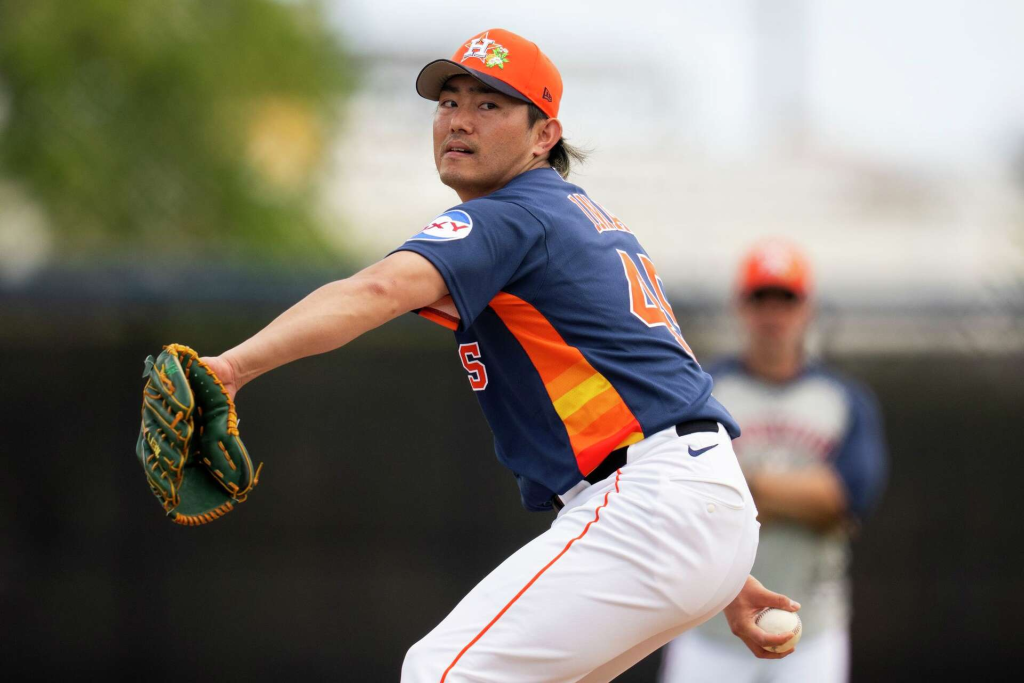
Even if he opens as the No. 2 behind Brown, patience will be essential.
Rookie walls happen. Adjustments are inevitable. The real measure won’t be whether Imai looks dominant in March — it will be how he responds when adversity arrives in July.
The ace label may feel premature.
But the raw ingredients — a plus slider, a deceptive splitter, and mound presence — are still there.
For Astros fans, the outlook hasn’t collapsed. It’s simply been recalibrated.
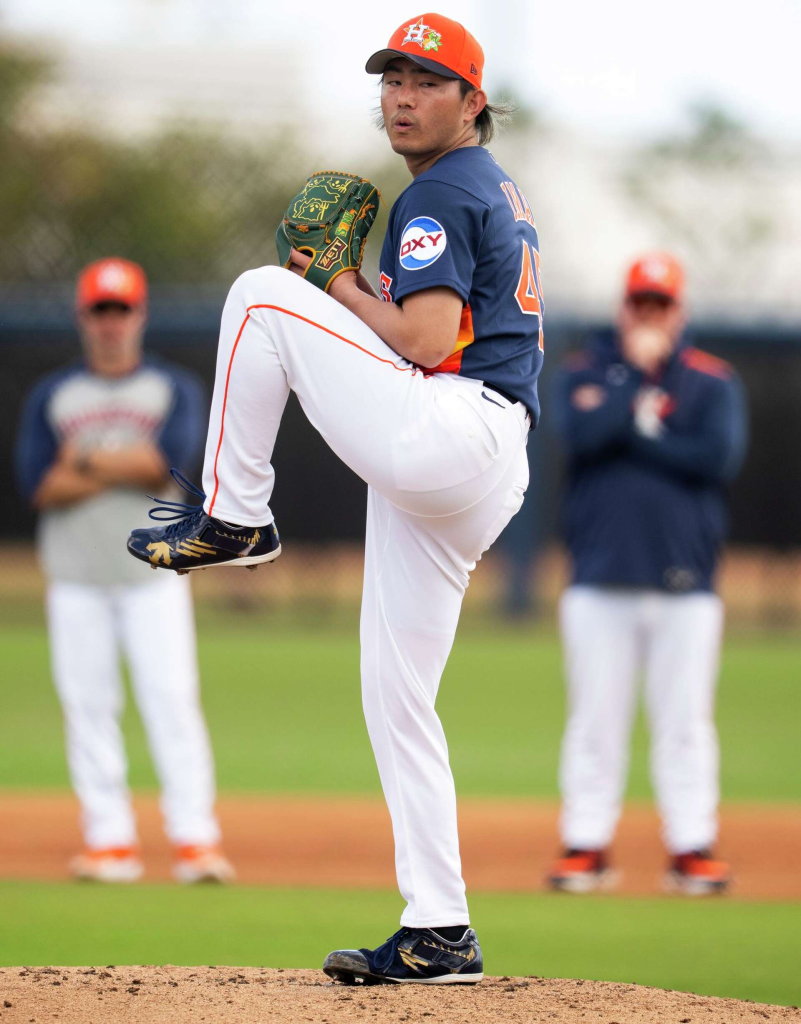
And in a season full of expectations, how Tatsuya Imai handles the peaks and valleys ahead may ultimately say more about his long-term future than any February evaluation ever could.
Leave a Reply