At a recent shareholder meeting, Elon Musk unveiled the most ambitious scenario yet for Tesla, Inc.’s humanoid‑robot project, Optimus. According to Musk, the robot could usher in what he calls “sustainable abundance” — a world where global productivity soars, poverty becomes obsolete, and the foundations of the economy are fundamentally transformed.
Musk argues that because Optimus robots can operate 24/7 and perform tasks that humans currently do (and often can’t), their widespread deployment could dramatically increase productivity. He says it’s possible for the global economy to grow 10 to 100 times larger than it is today thanks to this kind of automation.
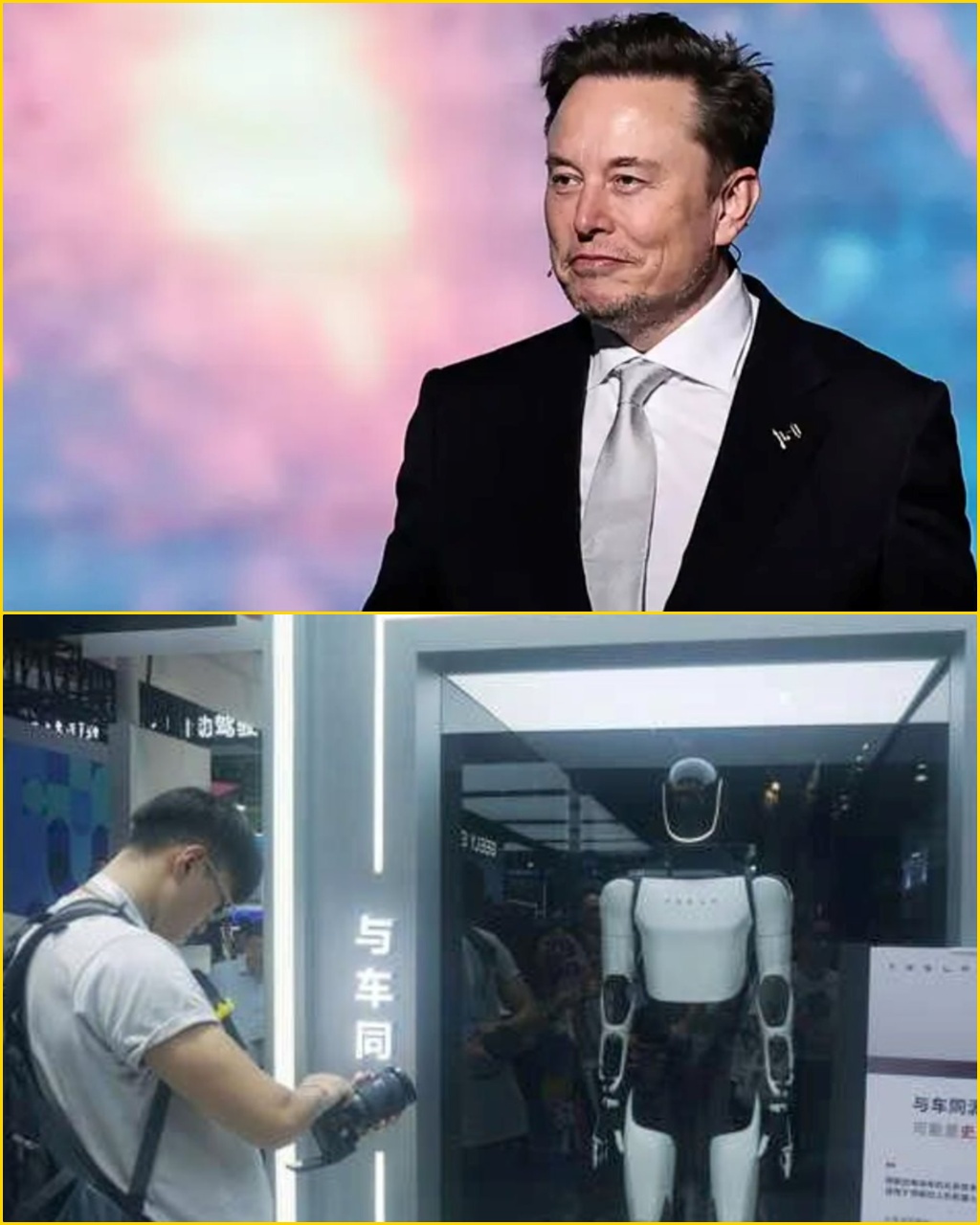
Here are the key points:
The vision: Optimus will handle routine labour, dangerous jobs, and mass manufacturing/automation tasks — freeing humans to engage in more creative or meaningful work.
Global impact: With productivity multiplied by robots, Musk suggests the world could reach a level of output where poverty is effectively eliminated.
Technical justification: Musk claims that when you combine AI with a physical body — a robot rather than just software — the limitations of human labour can largely disappear.
Economic implications: If a large portion of work is performed by robots, the cost of goods and services could fall dramatically, and governments might have the capacity to provide higher income or universal benefits to citizens.
However, the vision is not without huge caveats:
Optimus is still in early stages — production, reliability, and deployment at scale remain major challenges.
The idea of growing GDP by 100 times is far beyond current mainstream projections and would require radical changes in infrastructure, energy, materials, and global adoption.
Economists and robotics experts point out that cost, supply‑chain limitations and practical real‑world usage of humanoid robots still face long odds.
In short, Musk’s claim of Optimus ending poverty and multiplying global GDP presents a dramatic, forward‑looking vision — one that captures the imagination, but also raises deep questions about feasibility, equity and the social changes that would accompany such a transformation.
For now, Optimus remains the symbol of Tesla’s bet on robotics and full‑scale automation. If Musk’s vision proves even partially correct, the economic, social and human implications could be enormous. Until then, the world watches with equal parts hope and scepticism.
Leave a Reply