When Jeremy Hefner parted ways with the New York Mets, it felt like a reset—an opportunity to start fresh after being blamed for a season that never quite came together.
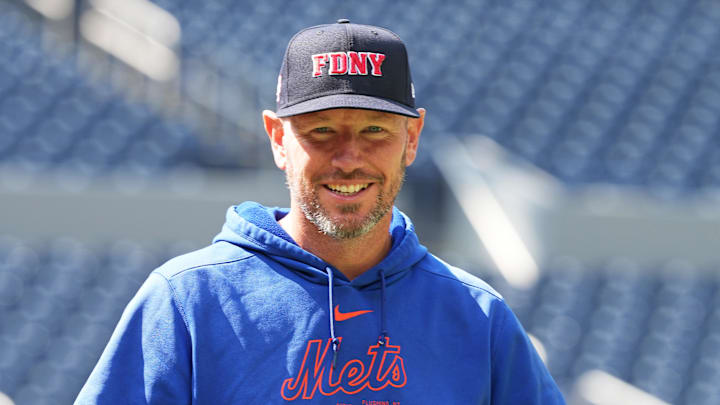
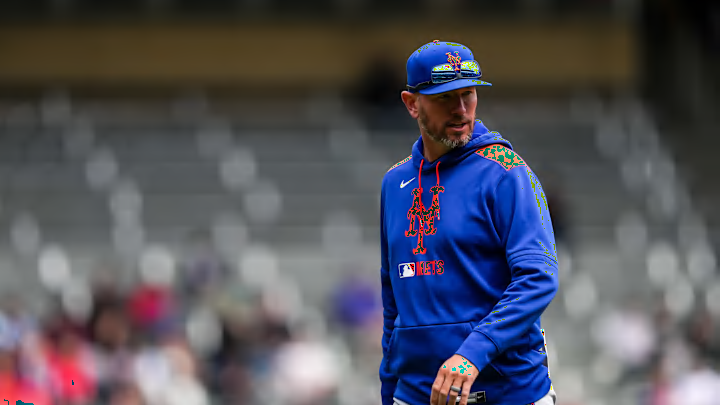
Sep 11, 2024; Toronto, Ontario, CAN; New York Mets pitching coach Jeremy Hefner (65) walks towards the outfield wearing a City of New York Fire Department baseball cap during batting practice before a game against the Toronto Blue Jays at Rogers Centre. Mandatory Credit: Nick Turchiaro-Imagn Images | Nick Turchiaro-Imagn Images
Now with the Atlanta Braves, that fresh start has quickly turned into something far more complicated.
Because before the season has even fully begun, Hefner is staring at a problem that no pitching coach can easily solve.
Just two years ago, Hefner was being praised for his ability to revive careers. He helped transform pitchers like Sean Manaea and Luis Severino into reliable rotation pieces, extracting value where others saw decline.
That success, however, didn’t carry over. By 2025, the magic faded, and Hefner became an easy target when results slipped—ultimately leading to his dismissal.
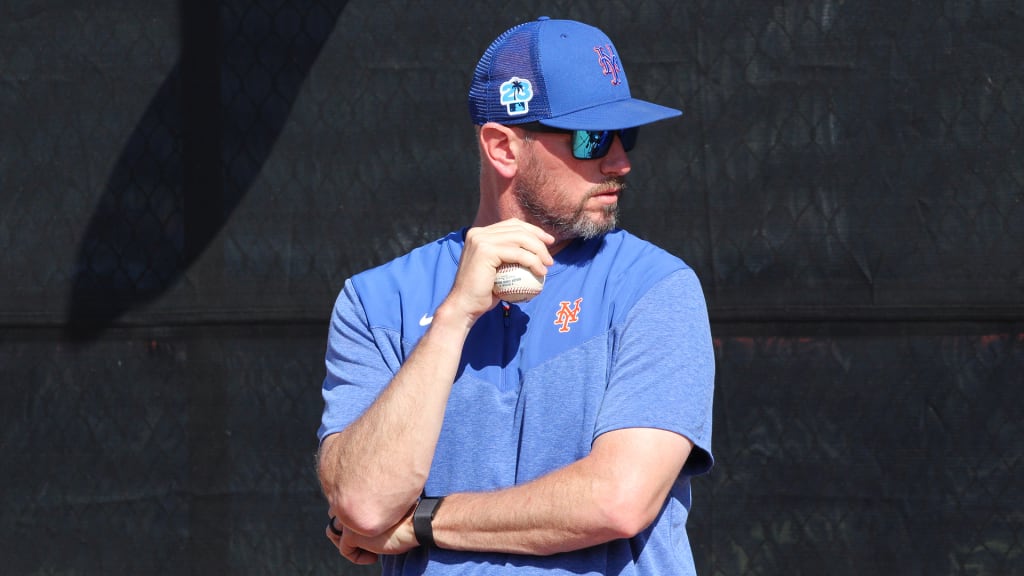
Atlanta saw an opportunity where New York saw a problem.
The Braves brought Hefner in as part of a broader coaching shakeup, betting that his track record could elevate an already talented staff. On paper, it looked like an ideal match—a respected coach joining a contender with high-end arms.
Then the injuries started piling up.
Key starters like Spencer Strider, Spencer Schwellenbach, and Hurston Waldrep have all been sidelined, stripping the rotation of both depth and upside.
What’s left is a group filled with talent—but also significant risk.
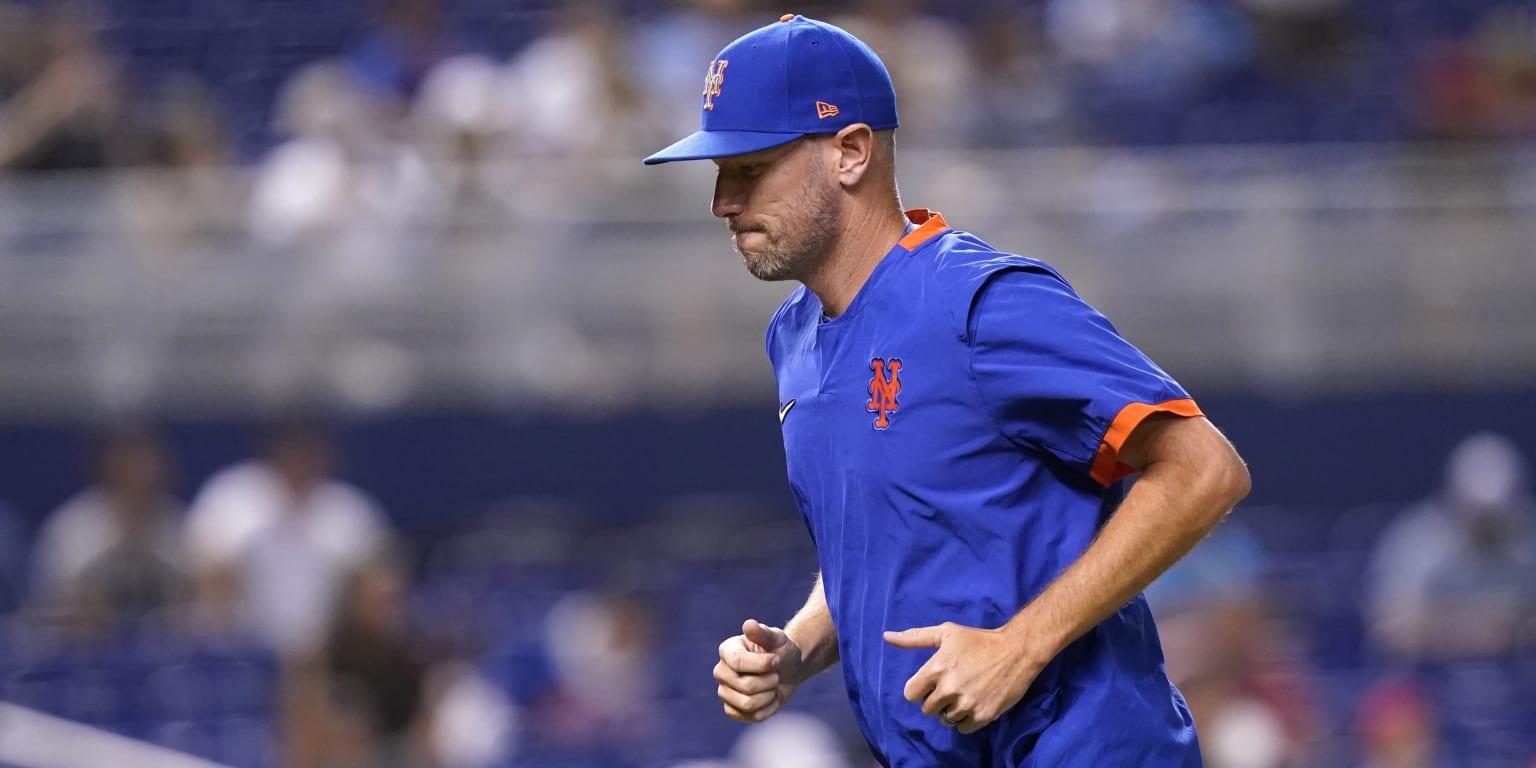
At the top sits Chris Sale, a former Cy Young winner who proved he still has elite ability. The concern, as always, is durability. After years of injuries and limited workloads, expecting a full season remains a gamble.
Behind him, Reynaldo López offers intrigue but comes with his own health questions after missing most of last season. The pattern is clear—ability isn’t the issue, availability is.
And then the uncertainty deepens.
Grant Holmes, once a first-round pick, is still trying to establish consistency at the major league level. Bryce Elder has struggled to maintain early-career promise, posting numbers that raise more questions than confidence.
The final spot may be the most concerning of all.
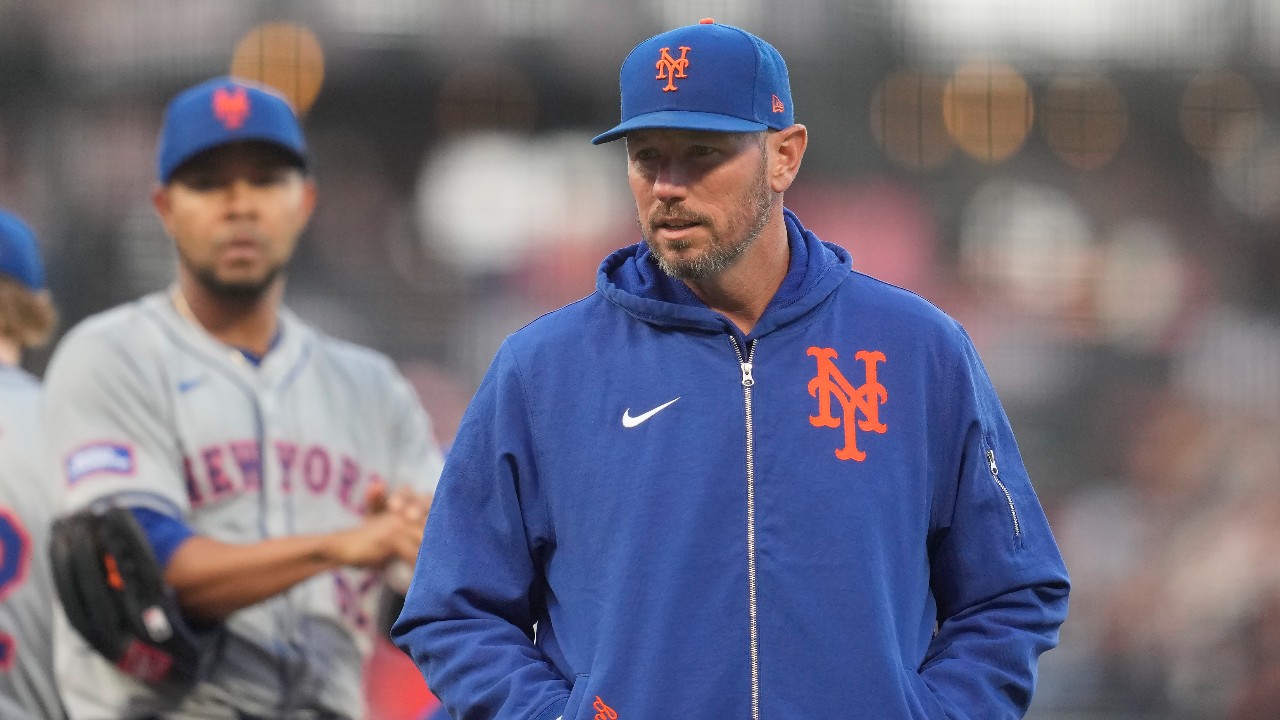
José Suarez has bounced between organizations and roles, never fully securing a place in a big league rotation. Now, he’s being asked to contribute meaningful innings for a team with postseason expectations.
It’s a rotation that feels fragile—both in performance and in health.
And that’s what makes this challenge fundamentally different from what Hefner faced before.
In New York, he worked with pitchers who had proven success and needed refinement. In Atlanta, he’s being asked to stabilize a group where multiple arms are either unproven, inconsistent, or physically unreliable.
That’s not a tune-up—it’s a rebuild on the fly.
If Hefner somehow pieces this staff together and keeps the Braves competitive, it could redefine his reputation across the league. But if things unravel, the context may not matter much in the standings.
Because sometimes, even the best pitching minds can’t outmaneuver a roster that’s already running out of healthy arms.
Leave a Reply