April 5 has delivered more than its share of unforgettable moments in Chicago White Sox history.

Deron Johnson (No. 15) had some big moments for the Sox in 1975 — only they were Red, not White.(Photo by Tom Landers/The Boston Globe via Getty Images)
Some were dramatic. Others bizarre. A few changed the course of the franchise entirely.
Taken together, they tell a story of how unpredictable baseball—and this organization—can be.
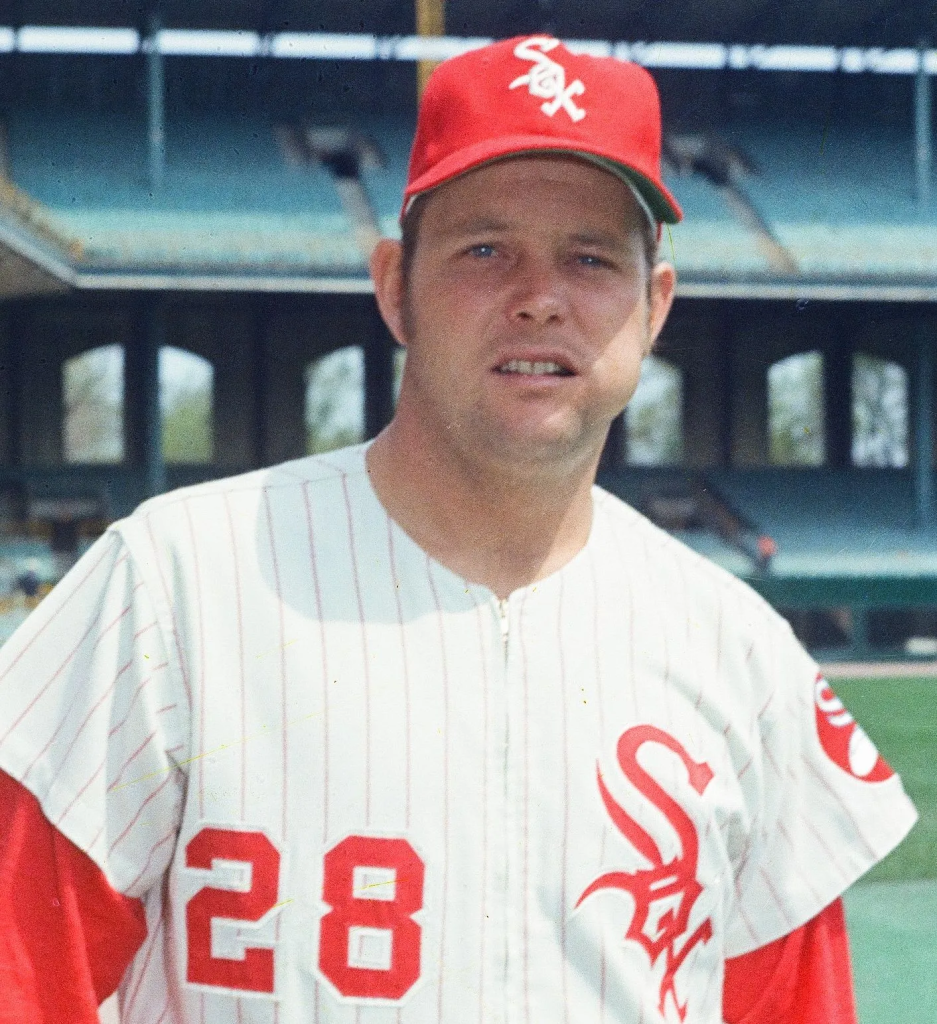
Back in 1974, the season opened under freezing conditions in Chicago, with Nolan Ryan on the mound for the Angels and knuckleballer Wilbur Wood countering for the White Sox. The matchup was billed as a contrast in styles, but the result was straightforward—Ryan dominated in an 8-2 victory.
Still, the game is remembered less for the score and more for what happened in the stands—and beyond them.
In a moment that captured the era, fans took part in the streaking craze, including one individual who ran naked across the outfield. Manager Chuck Tanner’s dry response afterward became part of the lore: he wasn’t impressed.
Just a few years later, April 5 would bring a far more consequential decision.
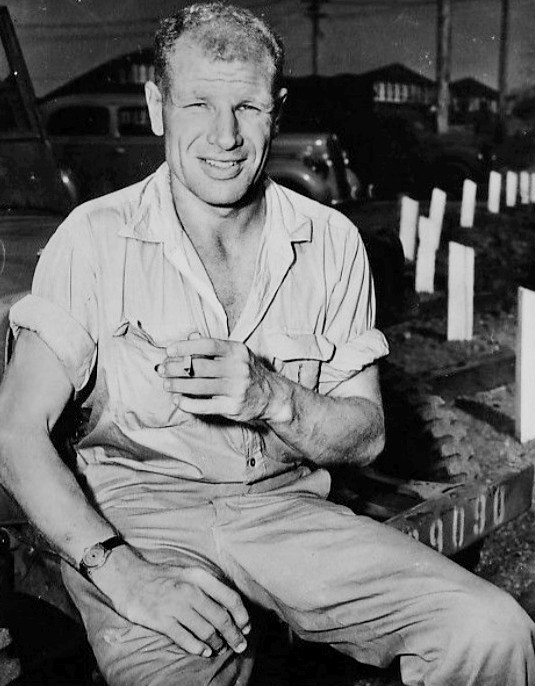
In 1977, owner Bill Veeck traded shortstop Bucky Dent to the New York Yankees shortly before the season began. The move, driven largely by financial considerations, sparked immediate criticism—especially given Veeck’s blunt assessment of Dent’s value.
But the return package told a different story over time.
Oscar Gamble provided immediate power, while LaMarr Hoyt eventually developed into a Cy Young Award winner. What looked controversial at the time became one of those trades that aged more favorably than expected.
Not every April 5 moment carried that kind of payoff.
In 1983, the White Sox endured both on-field struggles and off-field turmoil. A loss to Texas was compounded by defensive errors and, more significantly, a devastating injury to closer Jim Kern, who suffered a major elbow issue in his season debut.
At the same time, broadcaster Jimmy Piersall was dismissed in dramatic fashion, adding to a chaotic day for the organization.
A decade later, in 1995, the White Sox made a quieter move that turned into a major success.
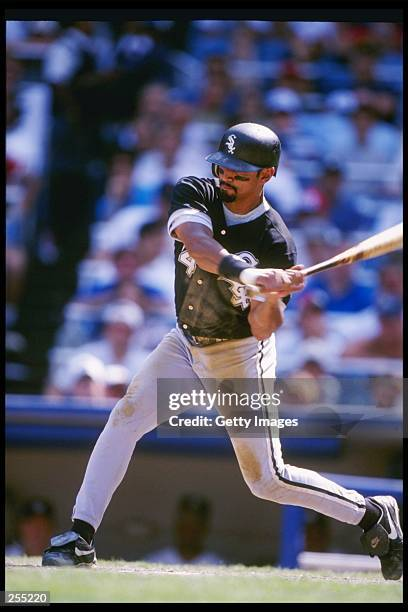
They signed veteran outfielder Dave Martinez to a modest deal following the end of the players’ strike. What followed was one of the most efficient value signings in team history, as Martinez delivered strong production over multiple seasons.
Then came one of the most painful Opening Day memories.
In 2004, new manager Ozzie Guillén appeared to have his first win secured, holding a late lead against Kansas City. But in a matter of minutes, the Royals mounted a stunning ninth-inning comeback, scoring six runs to steal the game.
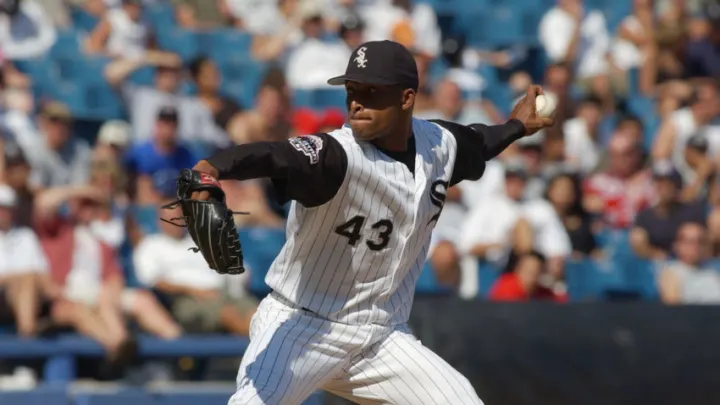
It remains one of the most dramatic Opening Day collapses in modern baseball.
Not all April 5 moments have been difficult to watch.
In 2010, Mark Buehrle delivered one of the most iconic defensive plays in franchise history. After a line drive deflected off his leg, he chased it down and flipped the ball between his legs to first base, completing an improbable out.
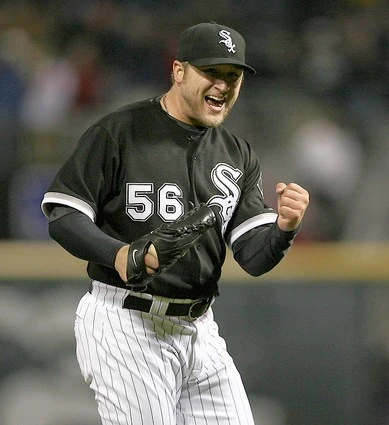
It was the kind of play that transcends the box score—one that fans still remember years later.
That same day carried historical weight beyond Chicago as well.
President Barack Obama, a lifelong White Sox fan, threw out the ceremonial first pitch in Washington, marking a century since the tradition began. Even in a different city, the connection to the White Sox remained visible.
Looking back, April 5 isn’t just another date on the calendar.
It’s a snapshot of everything baseball can be—unexpected, emotional, chaotic, and unforgettable.
And for the White Sox, it’s a reminder that history rarely unfolds the way you expect.
Leave a Reply