HOUSTON — While the Houston Astros prepare for another baseball season, one key figure behind the scenes is gearing up for a busy year of his own.
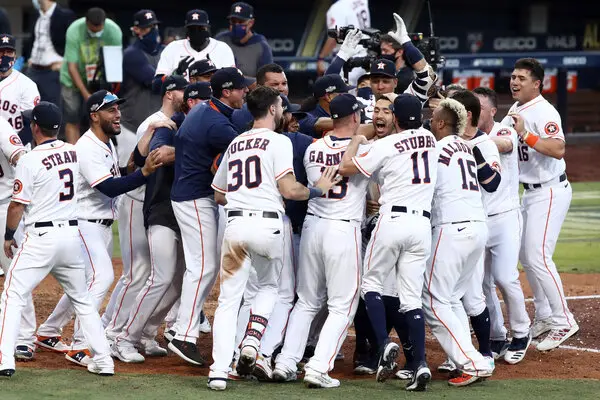
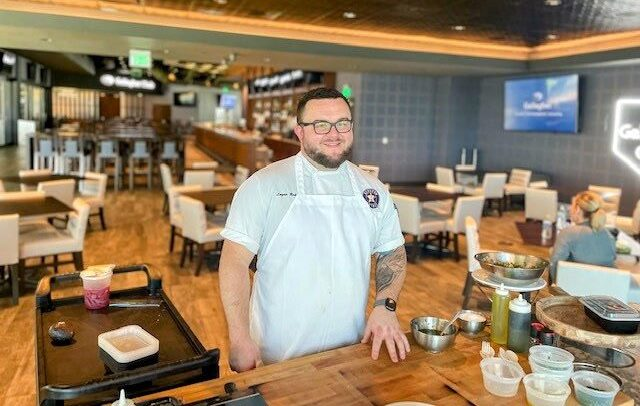
Astros executive chef Logan Baker is entering the season with a fresh challenge — and a brand-new kitchen.
With Daikin Park hosting games for the World Baseball Classic and unveiling a $2.4 million renovation to the Diamond Club, Baker will have the opportunity to debut new culinary ideas while working in a completely redesigned space.
For a chef who has spent his career adapting to inherited kitchens, the change is especially meaningful.
“It’s going to be absolutely elegant,” Baker said. “I’m really excited. I’ve never worked in a new kitchen in my life. I’ve always worked in very old spaces that I’ve inherited. So for me now, being the first, it’s like being in a house for the first time.”
A global menu for the World Baseball Classic
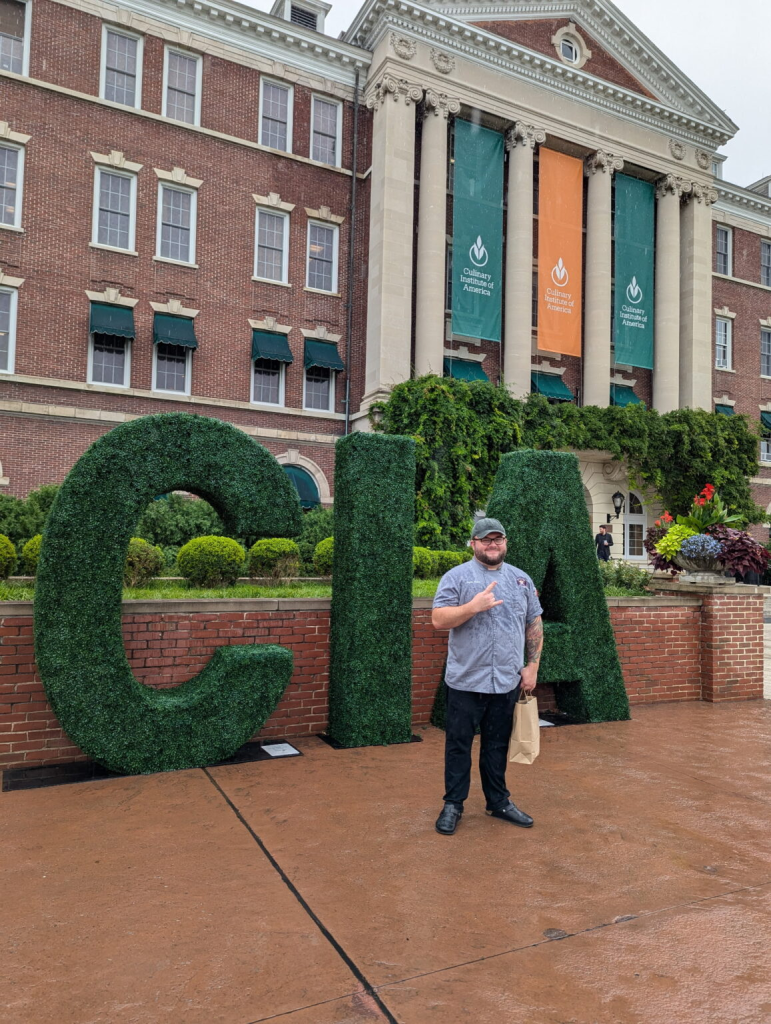
The World Baseball Classic is providing Baker with an early opportunity to experiment before the Astros begin their regular season schedule of 81 home games.
Hosting international teams means offering an international menu.
Fans attending WBC games at Daikin Park can expect a variety of globally inspired dishes, including bacon-wrapped meatloaf with roasted garlic mashed potatoes, British-style fish and chips, Mexican chicken flautas with avocado cream and salsa verde, and Brazilian-style Bauru sandwiches.
Other offerings include chimichurri beef shawarma flatbread, Italian-inspired cannoli served with ice cream helmets, and even apple pie potstickers — a creative twist on a classic American dessert.
The menu reflects the spirit of the tournament itself, which brings together players and fans from around the world.
A new Diamond Club experience
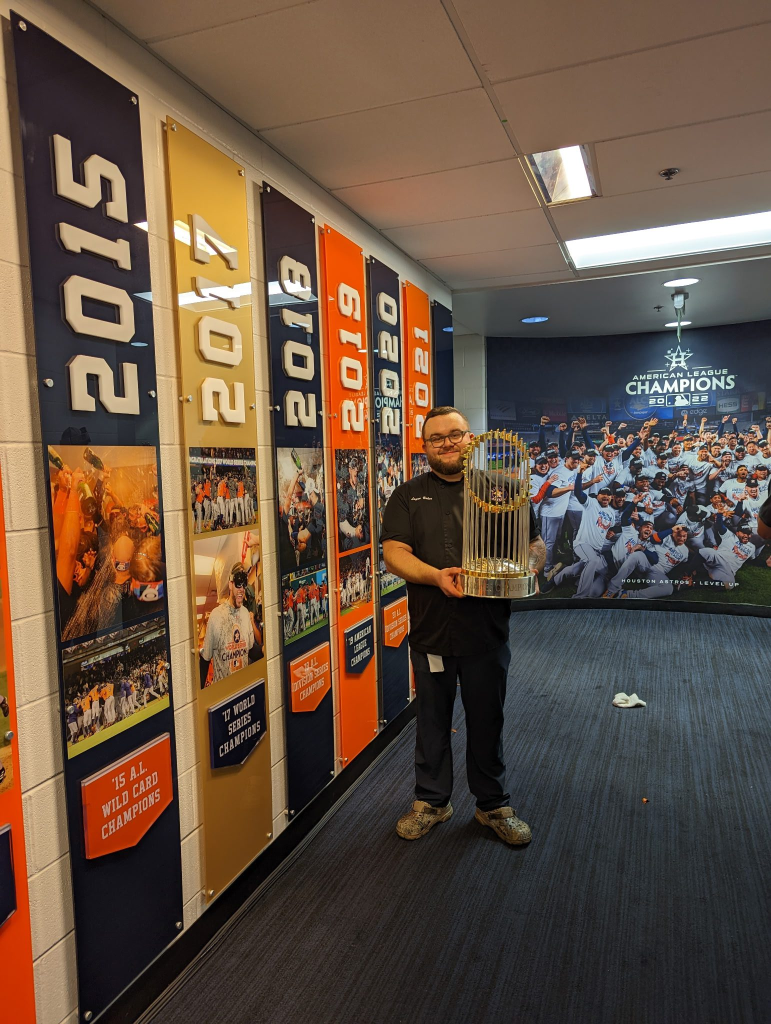
The Diamond Club renovation is one of the biggest upgrades to the stadium’s dining experience.
One of the most exciting additions for Baker is a new gelato station that will allow him to produce fresh flavors every day.
“One thing that we’re doing this year in the Diamond Club is we’re getting this massive gelato machine,” Baker explained. “So now each day I’m in charge of making six types of gelato fresh daily.”
Developing those recipes has already become part of Baker’s offseason preparation.
He has created the base formulas for each flavor, but the real test will come once the machine is running and the kitchen team begins producing them during games.
The renovation also transforms the Diamond Club kitchen into an open-concept layout, allowing fans to see the culinary team at work.
That change requires new training for the entire staff.
“Now it’s retraining your staff for an open kitchen versus how it was before,” Baker said. “We need to look and act the part too. It’s exciting in a way, but I really have to enforce the standard.”
From local chef to Astros clubhouse staple
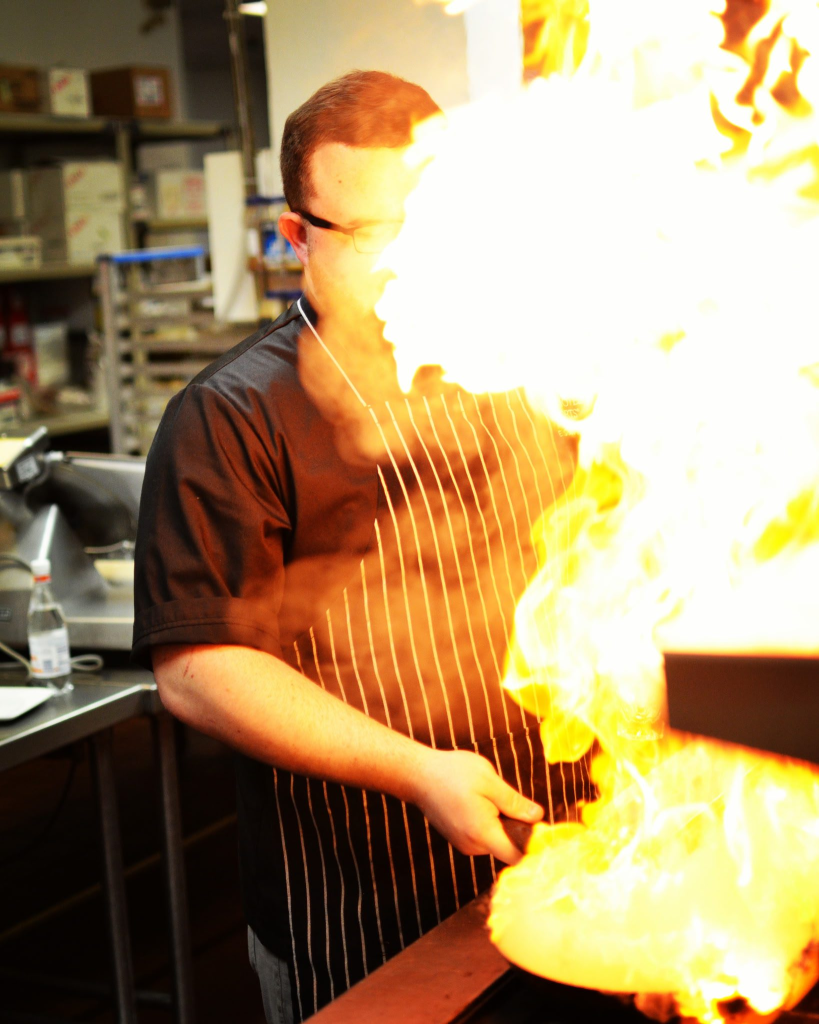
Baker’s journey to becoming the Astros’ chef began long before he stepped into Daikin Park.
A Houston-area native and the son of a chef, Baker started his career working at Northgate Country Club before eventually becoming an executive chef with Omni Hotels.
He joined the Astros organization in dramatic fashion.
“I accepted the job without seeing the kitchen or the space,” Baker recalled. “I literally just walked into the kitchen the day before the season started. I didn’t even have a name on my jacket yet.”
Since then, Baker’s responsibilities have extended far beyond serving premium club guests.
He also oversees the meals prepared for the Astros players themselves — a role that can have a direct impact on clubhouse culture.
How MLB players eat today
According to Baker, the way baseball players approach food has changed dramatically over the years.
Veterans from earlier generations often relied on fast food or whatever was convenient after games. Today’s athletes, however, are far more focused on nutrition and food quality.
“It’s interesting to see the way trends go with the way athletes eat,” Baker said. “Guys now put a lot more time into what’s fueling them.”
Players are also more curious about where their food comes from.
Baker says he makes a point of sourcing ingredients locally whenever possible.
“We try to buy Gulf seafood when we can. We try to get Texas cattle when we can. We try to find things local first,” he explained. “Players want to know where their food’s coming from.”
Feeding a major league team
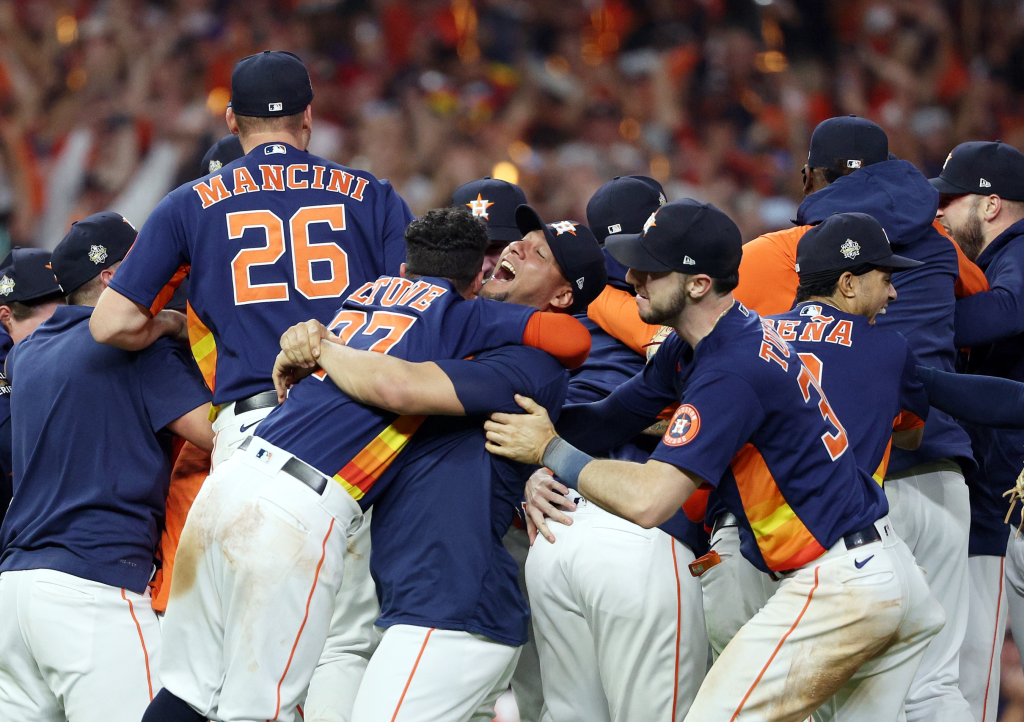
On a typical Astros home game day, Baker and his team prepare three meals for the organization.
The first meal is served around 12:30 p.m. for training staff, coaches, and players arriving early for treatment.
The second meal, served around 4 p.m., is designed for players before they take the field. It usually focuses on lighter options such as lean proteins, fresh vegetables, and salads.
One staple that has become a clubhouse favorite is the daily build-your-own açaí bowl station, which features a variety of fresh fruit and granola toppings.
The postgame meal offers a wider range of options.
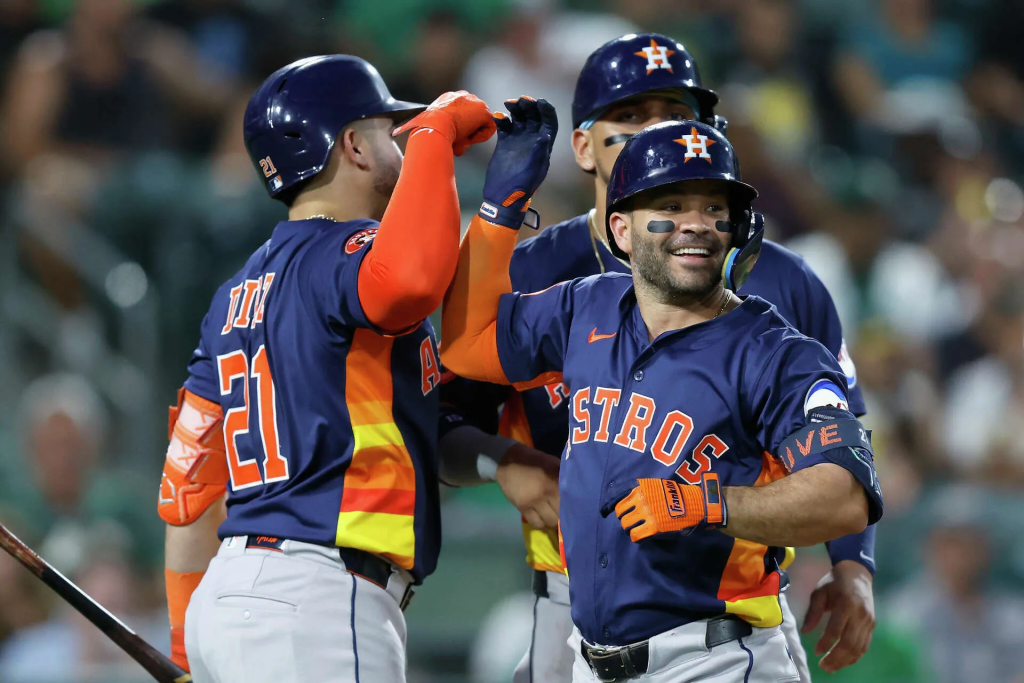
In addition to a buffet, players can order from an à la carte menu featuring around a dozen choices, including steaks, protein bowls, breakfast items, wraps, and lighter salads.
The transformation in clubhouse dining habits has been dramatic.
“When I first came here, maybe 25 percent of people would actually eat in the kitchen,” Baker said. “Now it’s basically everyone — 98 to 100 percent — eating from our facility three times a day.”
For Baker, that change represents the ultimate compliment.
After all, a chef in Major League Baseball measures success the same way players do — by whether people keep coming back for more.
Leave a Reply