The New York Mets have tried to move on from last summer’s deadline decisions.

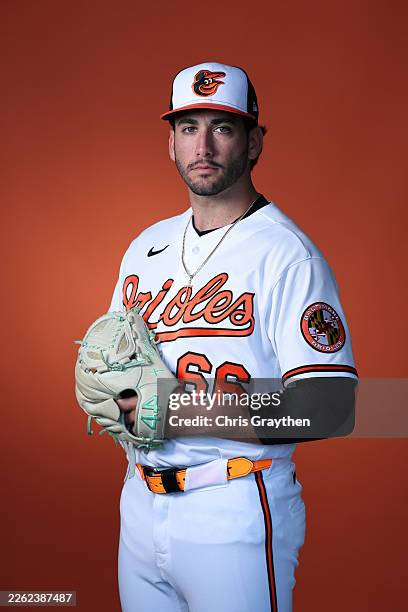
Feb 18, 2026; Sarasota, FL, USA; Baltimore Orioles pitcher Anthony Nunez (66) poses for media day. Mandatory Credit: Morgan Tencza-Imagn Images | Morgan Tencza-Imagn Images
But one trade keeps pulling them back.
What once looked like a questionable move is now trending toward something worse—especially as new developments continue to surface on the other side of the deal.
The Cedric Mullins acquisition never worked.
When the Mets brought him in, the hope was that a veteran presence could stabilize the outfield and provide consistent production. Instead, Mullins struggled through his time in New York, posting underwhelming numbers and failing to make a meaningful impact.
A change of scenery hasn’t helped much.
Now with Tampa Bay, Mullins still hasn’t found his form. But his continued struggles aren’t the real issue anymore.

The bigger problem is what the Mets gave up.
Baltimore, the team that moved Mullins, received multiple pitching prospects in return—and one of them is already making noise at the major league level.
Anthony Nunez is turning heads.
In his early appearances, the 24-year-old right-hander has shown poise and effectiveness, limiting baserunners while generating strikeouts at an impressive rate. His debut performances have hinted at something more than just a depth arm.
He looks like a potential contributor.
And that’s what makes this situation harder for the Mets to ignore.
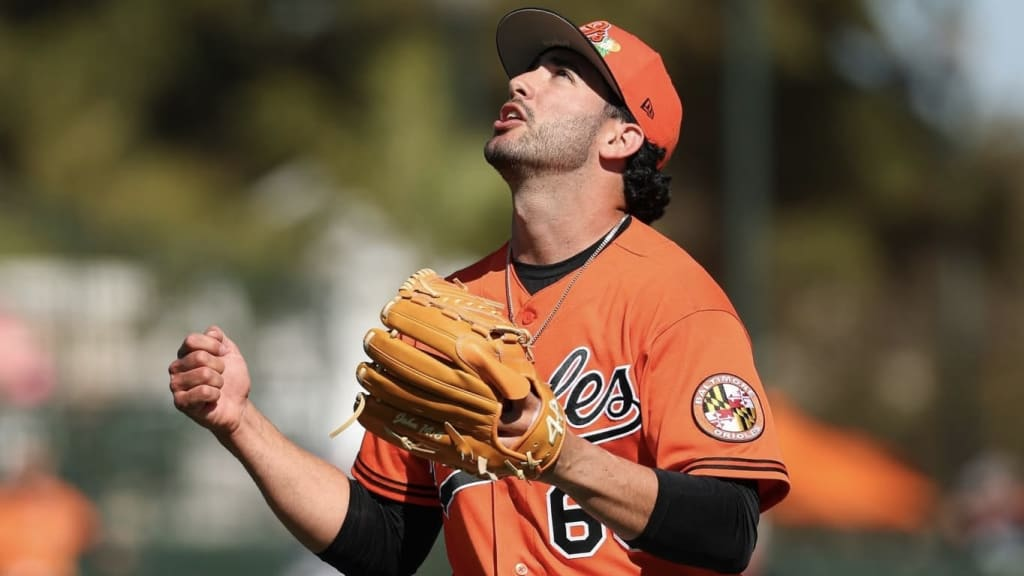
Nunez’s rise didn’t come out of nowhere. He impressed during spring action, displaying strong command and the ability to miss bats consistently. Those traits have carried over into the regular season, where his early metrics suggest real upside in a bullpen role.
If that continues, the narrative around the trade shifts again.
What was once a short-term gamble now starts to look like a long-term loss.
And Nunez isn’t the only piece involved.
The Orioles also acquired other arms in the deal, both still developing in the minors. While they haven’t reached the majors yet, their presence adds to the overall value Baltimore received—value that continues to grow with time.
For the Mets, that’s a difficult contrast.
The deadline strategy in 2025 leaned heavily on acquiring immediate help. But many of those additions didn’t deliver. Some struggled outright. Others moved on quickly, leaving little behind.
The result?
A loss of both talent and depth.
Even if none of the players they traded away become stars, the combination of quantity and potential now tilts heavily in Baltimore’s favor. Meanwhile, the Mets are left reflecting on a series of moves that didn’t produce the intended results.
Of course, hindsight always sharpens criticism.
At the time, there were reasonable arguments for the deal. Roster pressures and eligibility concerns played a role, and not every prospect develops into a major contributor.
But that doesn’t change the present reality.
Each strong outing from Nunez adds another layer to the story.
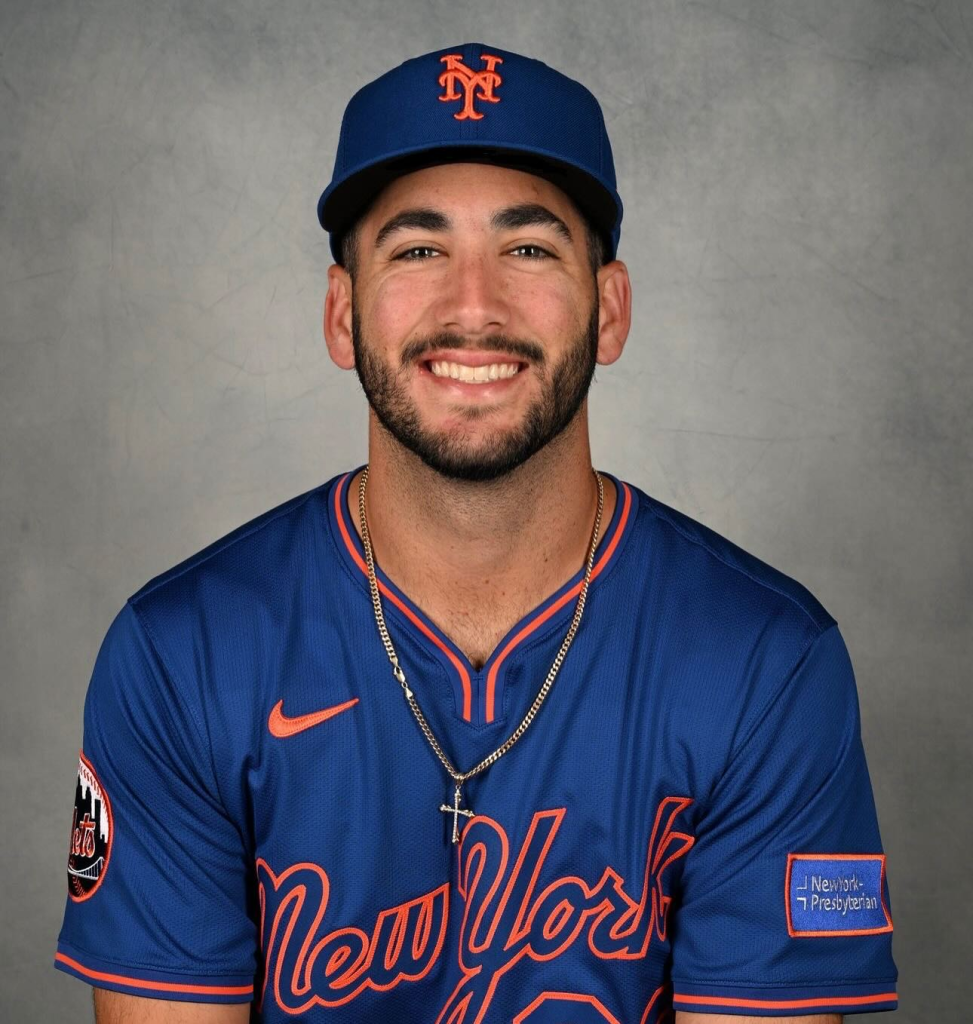
Each missed opportunity from Mullins reinforces it.
And for the Mets, what once felt like a calculated risk is beginning to look like a misstep that could linger far longer than expected.
Leave a Reply