The ending felt familiar — and not in a good way.
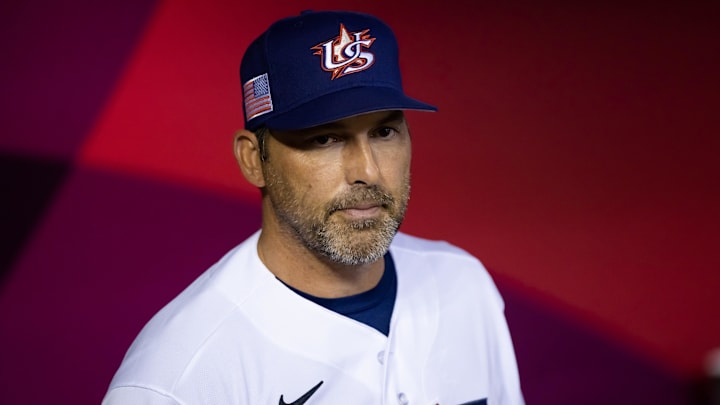
Mar 13, 2023; Phoenix, Arizona, USA; USA manager Mark DeRosa prior to game against Canada during the World Baseball Classic at Chase Field. Mandatory Credit: Mark J. Rebilas-Imagn Images | Mark J. Rebilas-Imagn Images
As Team USA fell short once again in the World Baseball Classic, many Philadelphia Phillies fans recognized something deeper than just another loss. It wasn’t just disappointment. It was déjà vu.
Over the past few years, the trajectory of Team USA has started to mirror the Phillies in uncomfortable ways. Both have gone from surprising success to mounting expectations — and now, to frustrating underachievement.
The World Baseball Classic hasn’t always been kind to the United States.
Early editions of the tournament set the tone. Star-powered rosters featuring names Phillies fans knew well — Chase Utley, Jimmy Rollins, Shane Victorino — routinely fell short. Whether it was early exits or semifinal losses, the label stuck: talented, but unreliable.
That narrative finally changed in 2017.
A gritty, determined U.S. team captured its first WBC title, beating a heavily favored Puerto Rican squad. It wasn’t dominance that defined that run — it was resilience. They found ways to win when it mattered, and that was enough.
That victory shifted expectations overnight.
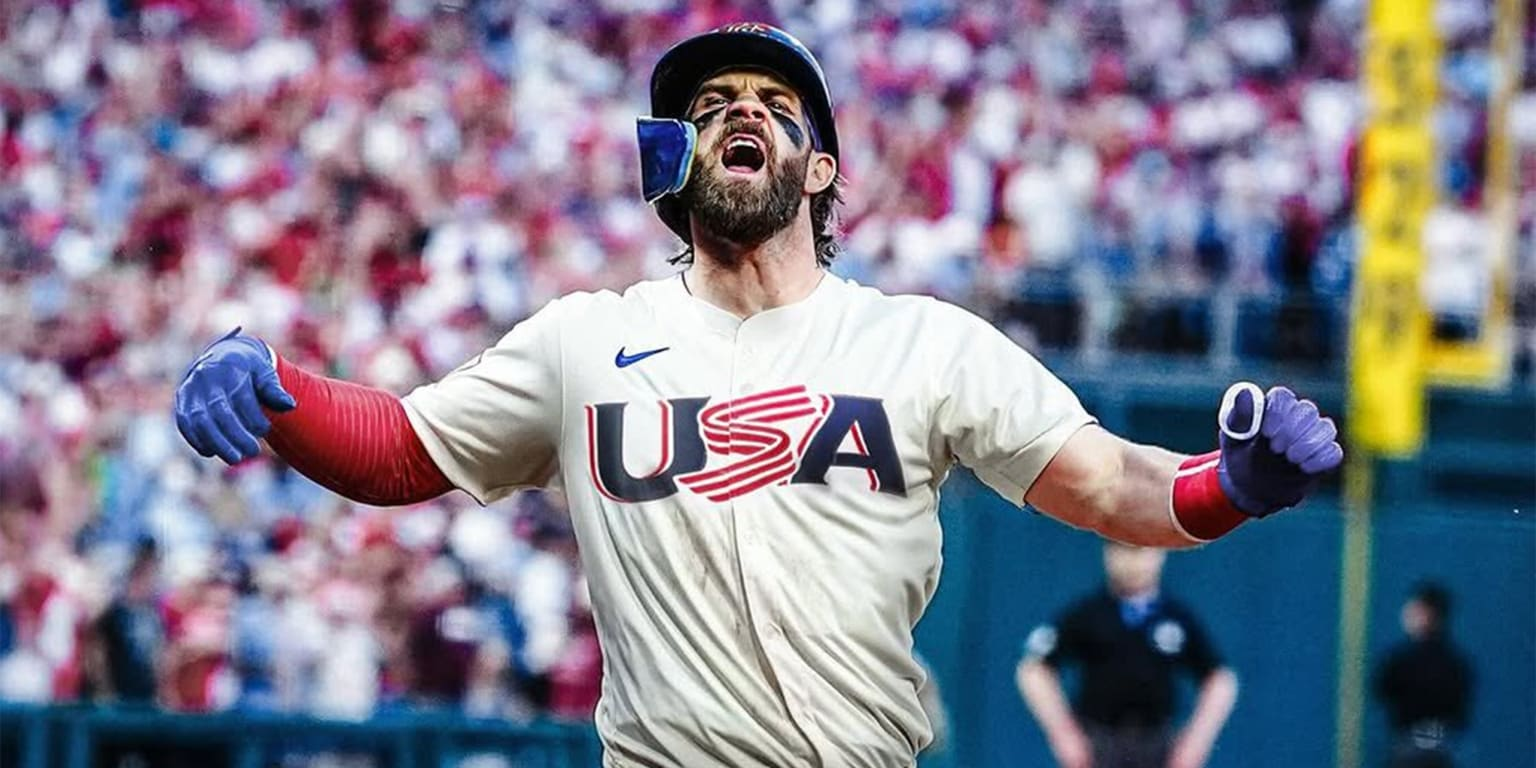
By 2023, Team USA was no longer an underdog story. It was a powerhouse. With MVPs like Mike Trout and Mookie Betts leading the way — alongside Phillies stars such as Trea Turner and Kyle Schwarber — the roster looked nearly unbeatable.
They reached the final, only to fall just short against Japan in a tightly contested game.
Instead of lowering expectations, that loss did the opposite. It raised the stakes even higher.
And that’s where the comparison to the Phillies becomes impossible to ignore.
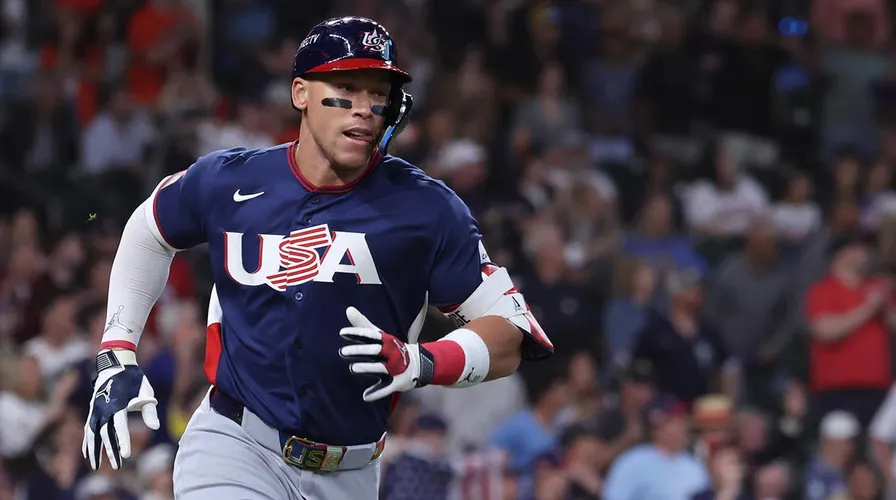
Heading into the latest WBC, Team USA assembled what might have been its most talented roster ever. Elite pitching. A stacked bullpen. A lineup loaded with power, including Bryce Harper and Aaron Judge.
On paper, it looked like a team destined to dominate.
But once the games began, something felt off.
The offense sputtered. The energy was inconsistent. Even in wins, the performances lacked authority. Close calls and questionable moments piled up — from sloppy play to controversial decisions — leaving the impression of a team never fully in control.
Off the field, things didn’t help.
There were awkward moments between players, questionable roster decisions, and puzzling comments from manager Mark DeRosa that raised eyebrows. Instead of building momentum, the team seemed to drift.
By the time they reached the championship game against Venezuela, the journey felt more exhausting than inspiring.
The final result — a narrow loss — only told part of the story.
Outside of a brief spark from Bryce Harper, the lineup struggled to produce. The bullpen faltered at the wrong time. And perhaps most telling, the team never truly looked like it believed it would win.
For many fans, the reaction wasn’t heartbreak.
It was frustration.
And that’s where the Phillies connection hits hardest.
Philadelphia has followed a remarkably similar arc.
After years of mediocrity, the 2022 Phillies shocked baseball with a World Series run that reignited belief. Much like Team USA’s 2017 breakthrough, it felt like the beginning of something bigger.
Instead, it became the high point.
A stronger Phillies team in 2023 fell short in the NLCS. The following seasons only deepened the disappointment. Despite talent and payroll, the results regressed — highlighted by early exits and inconsistent offense when it mattered most.
Sound familiar?
Both teams have faced the same core issue: expectations they haven’t been able to meet.
Early success built emotional investment. Fans bought in. They believed.
But repeated failures — especially when those failures come without clear excuses — begin to erode that belief.
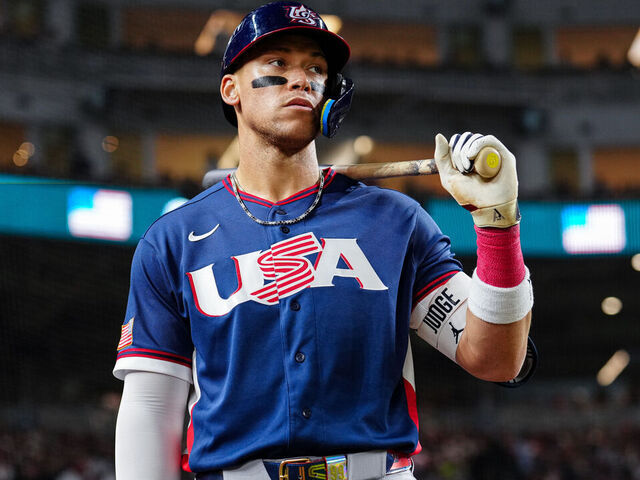
That’s where things shift from passion to something more dangerous.
Apathy.
There’s a difference between losing and underwhelming. Fans can accept defeat when a team fights, when it shows urgency, when it feels invested.
What’s harder to accept is when a team with every advantage looks flat, unprepared, or disconnected.
That’s the perception that has followed both the Phillies and Team USA recently.
It’s not just that they’ve lost. It’s how they’ve lost.
The Phillies’ offense disappearing in October. Team USA’s lineup going quiet in key moments. Questionable decisions. Missed opportunities. A lack of edge when it mattered most.
Over time, those patterns take a toll.
The excitement that once fueled these teams has faded. In its place is skepticism — and, increasingly, indifference.
That may be the most troubling development of all.
Because when fans stop believing, it’s not just about wins and losses anymore. It’s about relevance.
Both the Phillies and Team USA still have the talent to turn things around quickly. The pieces are there. The expectations haven’t disappeared.
But until performance matches potential, convincing fans to care the same way again may be the toughest challenge they face.
And right now, that feels like the biggest loss of all.
Leave a Reply