Not long ago, Ross Atkins’ future in Toronto felt anything but certain.
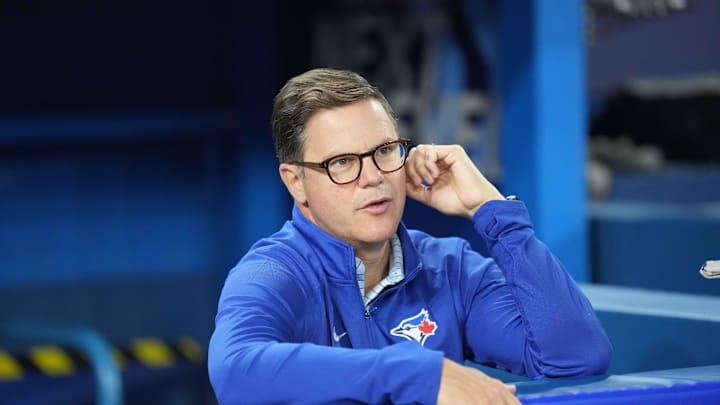
Jun 28, 2023; Toronto, Ontario, CAN; Toronto Blue Jays general manager Ross Atkins talks with the media during batting practice against the San Francisco Giants at Rogers Centre. Mandatory Credit: Nick Turchiaro-Imagn Images | Nick Turchiaro-Imagn Images
The Blue Jays had talent, expectations, and moments of promise—but not the postseason success to match. For years, the criticism lingered: too many missed opportunities, not enough results.
Then 2025 happened.
A division title. A deep playoff run. A long-awaited return to the World Series. Suddenly, the narrative shifted—and so did Atkins’ standing within the organization. His recent five-year extension didn’t come out of nowhere. It was built on a series of decisions that reshaped the franchise.
Locking in Vladimir Guerrero Jr. changed everything

There was no bigger priority than keeping Vladimir Guerrero Jr. in Toronto.
As the face of the franchise, losing him to free agency would have been a devastating blow—not just on the field, but for the identity of the team. Negotiations dragged on, and at one point, it felt like a deal might not get done.
Then everything changed.
The Blue Jays committed with a massive long-term extension, ensuring Guerrero would remain the centerpiece of the organization for years to come. It wasn’t just about retaining talent—it was about sending a message.
Toronto was serious about winning.
Guerrero rewarded that faith with a dominant postseason performance, reinforcing exactly why the move mattered. For Atkins, it was a defining moment—one that stabilized the franchise’s future overnight.
Betting on veterans paid off when it mattered most
Big contracts can define a front office—for better or worse.
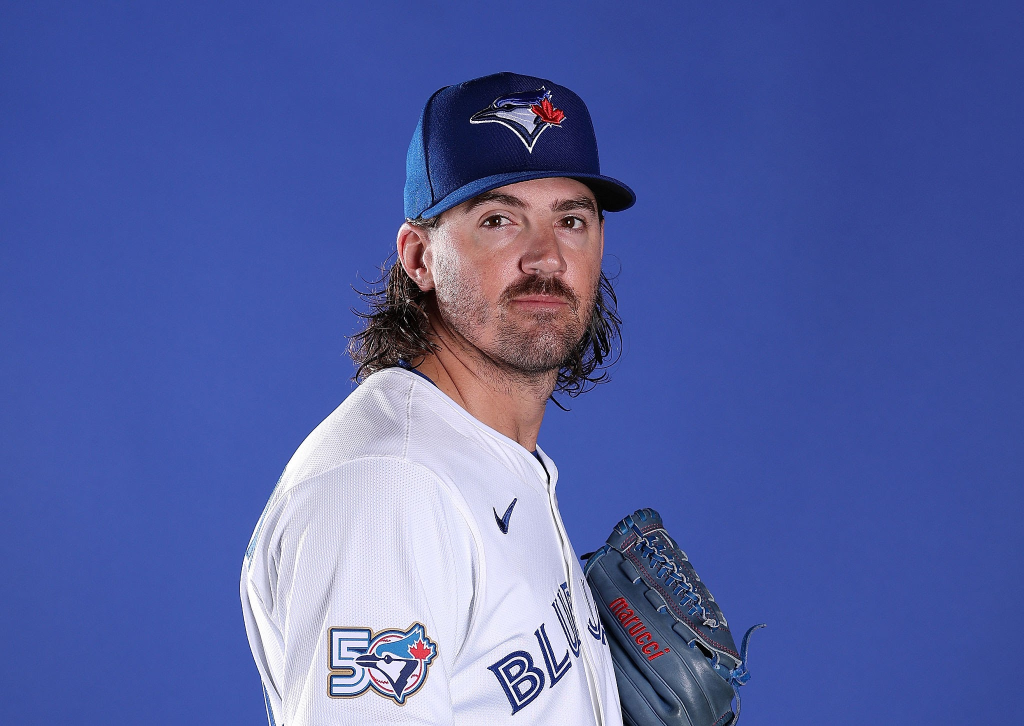
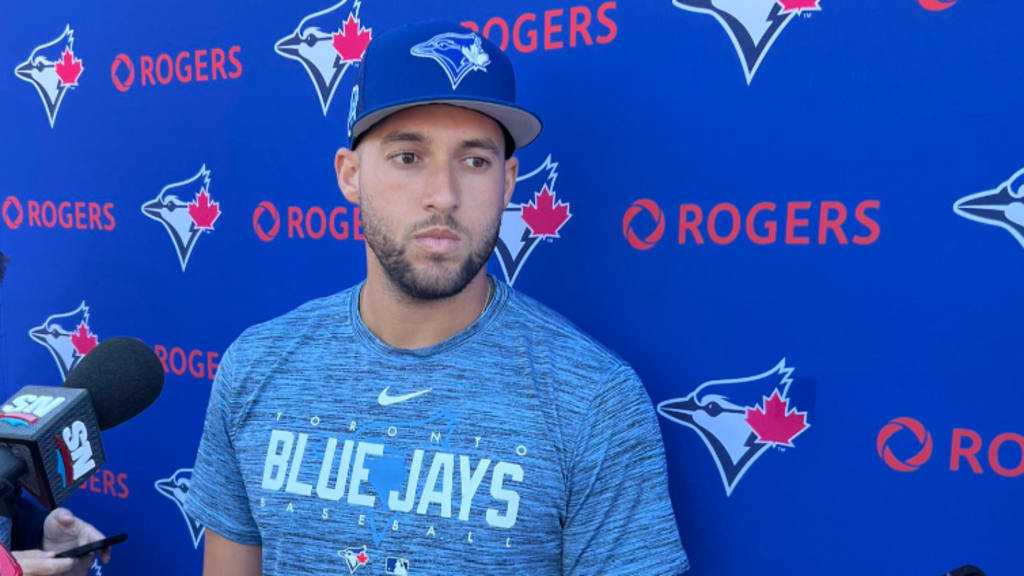
In the case of George Springer and Kevin Gausman, those bets paid off when Toronto needed them most.
Springer’s arrival marked a turning point for the organization. His presence added credibility, experience, and a winning mentality to a young core still finding its footing. While injuries limited him at times, his impact remained undeniable—especially during the 2025 postseason, where he delivered in the biggest moments.
Gausman, meanwhile, proved to be one of the most effective signings in franchise history.
Choosing him over a reigning Cy Young winner was a controversial decision at the time. But Gausman’s consistency, durability, and high-level production quickly erased any doubts. Year after year, he delivered exactly what the Blue Jays needed from a frontline starter.
Together, those two moves gave Toronto the foundation it had been missing.
Trey Yesavage represents a long-awaited breakthrough
For all of Atkins’ success in free agency, one criticism had followed him throughout his tenure: the lack of homegrown starting pitching.
That’s what makes Trey Yesavage so important.
Drafted and developed within the organization, Yesavage rose quickly through the system and made an impact when it mattered most. His presence during the team’s postseason run offered something the Blue Jays had been missing—a legitimate internal arm capable of contributing on the biggest stage.
It’s still early in his career, and expectations will only grow.
But his emergence signals progress in an area where the organization had struggled for years. For Atkins, it’s proof that the development pipeline may finally be catching up to the team’s ambitions.
A reputation rebuilt—and a future secured
Front office narratives can change quickly in baseball.
One year, questions dominate the conversation. The next, results rewrite everything. That’s exactly what happened for Ross Atkins.
The extension he received isn’t just about one successful season—it’s about the combination of moves that made that success possible.
From securing a superstar to trusting key veterans and finally developing talent from within, Atkins reshaped both perception and reality.
And in doing so, he didn’t just save his job—he defined the next era of Blue Jays baseball.
Leave a Reply