For Jason Alexander, the margin for error was always thin.
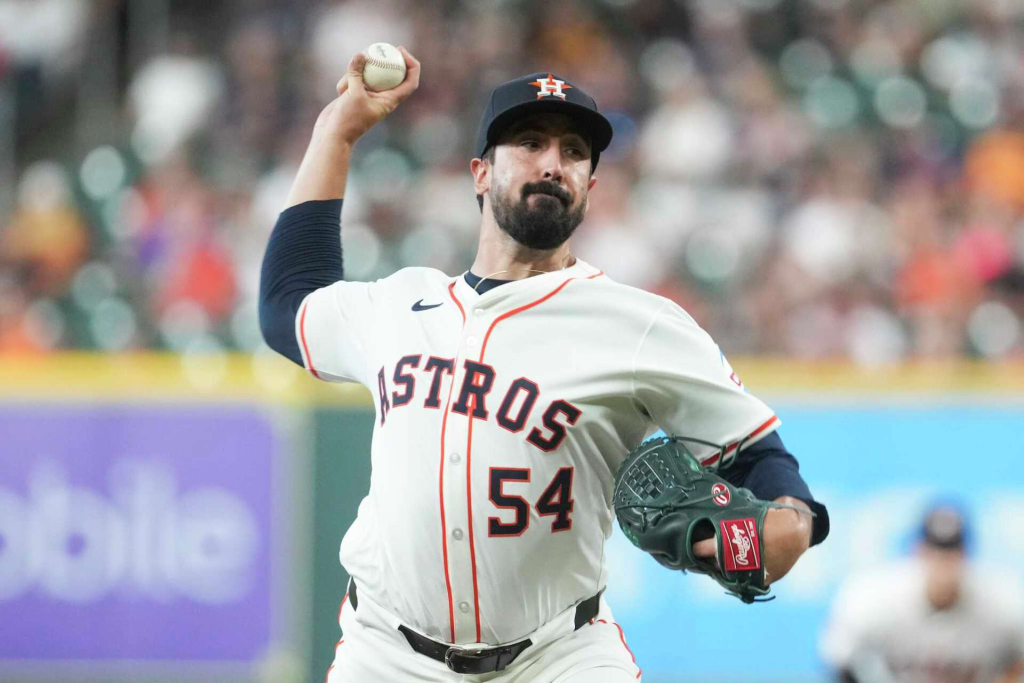
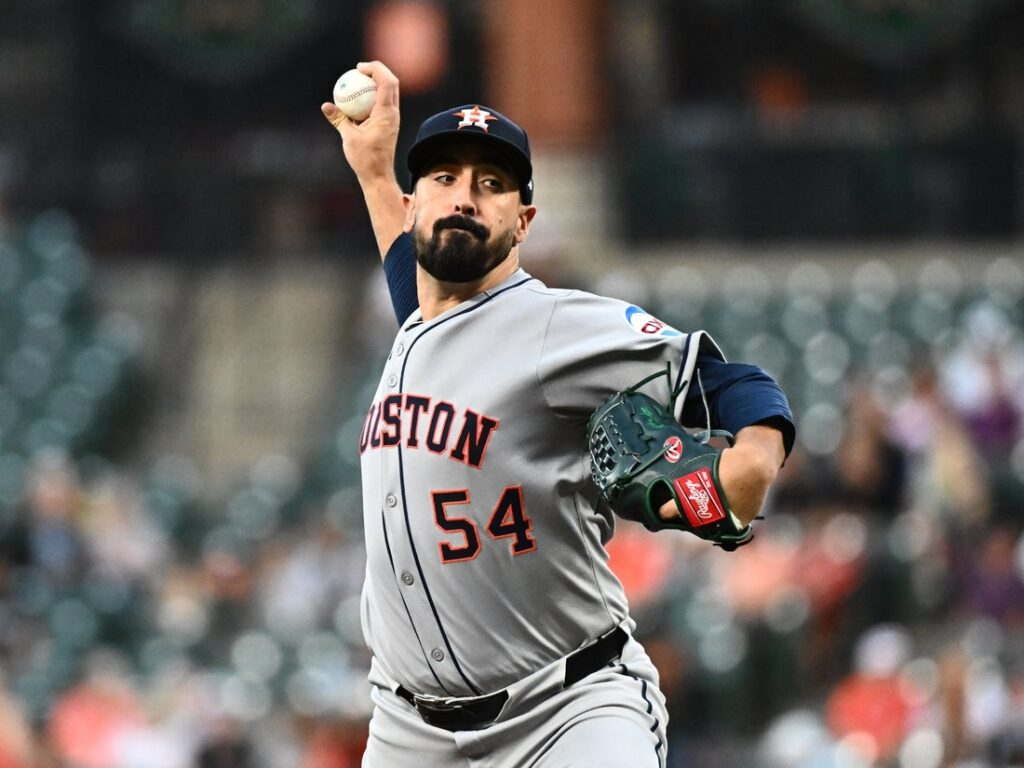
Sep 26, 2025; Anaheim, California, USA; Houston Astros pitcher Jason Alexander (54) throws against the Los Angeles Angels during the first inning at Angel Stadium. Mandatory Credit: Gary A. Vasquez-Imagn Images | Gary A. Vasquez-Imagn Images
Now it may be gone.
The Houston Astros right-hander entered spring training as a fringe rotation candidate — a depth arm hoping to recreate the unlikely success he found last season. Instead, one disastrous outing may have pushed him firmly to the outside looking in.
Alexander’s 2025 story was one of necessity.
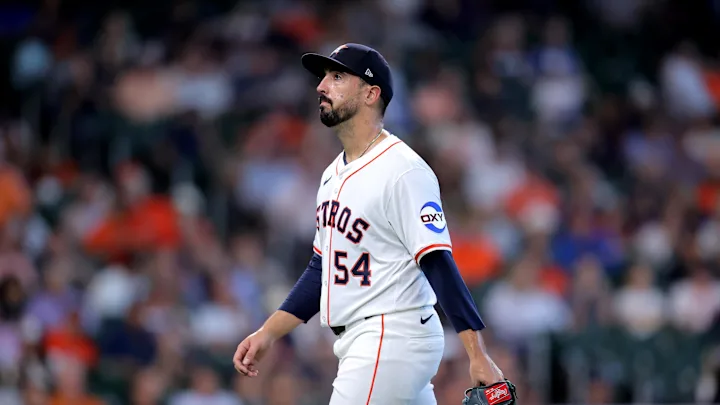
After debuting with Milwaukee in 2022 and resurfacing briefly with Oakland last year, he landed in Houston amid a wave of injuries. Torn UCLs to Hayden Wesneski and Ronel Blanco forced the Astros to dig deep, and Alexander answered the call.
On the surface, the results were respectable: 14 appearances (13 starts), a 3.66 ERA over 71 1/3 innings. For a midseason pickup, that production mattered.
But the underlying metrics told a different story.
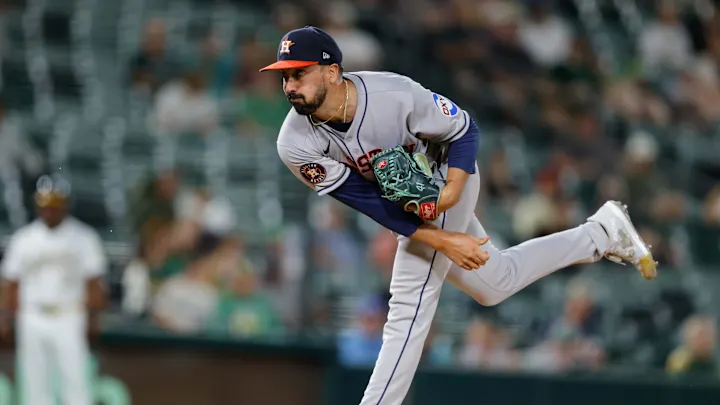
His 4.65 FIP suggested regression. He struck out just 19.9% of batters and allowed 1.51 home runs per nine innings. Opponents squared him up frequently, reflected in a 45.9% hard-hit rate. His 22.1% chase rate ranked near the bottom of the league.
In short, he survived more than he dominated.
Houston likely understood that entering 2026. With a healthier staff and offseason additions, Alexander wasn’t guaranteed anything. He needed a sharp spring to reinsert himself into the conversation.
Instead, Tuesday against the Mets unraveled quickly.
Alexander lasted just two-thirds of an inning, surrendering five hits, a walk, and four earned runs. Two of those hits left the yard — home runs by Mike Tauchman and Ronny Mauricio. He struck out only one batter.
Through that outing, his spring ERA ballooned to 54.00.
It’s only February, but optics matter — especially for pitchers fighting for the final roster spots. Alexander already sat low on the depth chart. Hunter Brown is entrenched. Other starters have clearer roles. Even with questions surrounding parts of the rotation, the Astros appear more inclined to explore higher-upside options.
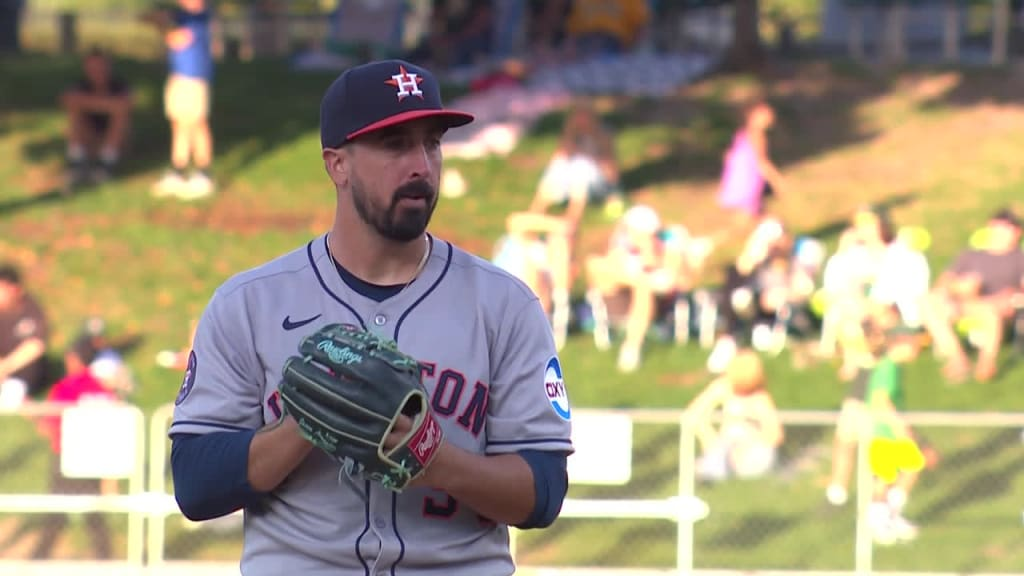
The silver lining for Alexander is that he has a minor league option remaining. Houston can stash him in Sugar Land without losing him, preserving depth for the inevitable injuries that surface over a 162-game season.
But the Opening Day rotation? That path looks increasingly narrow.
The Astros were fortunate to squeeze value out of Alexander last year. Replicating that success required momentum, and spring is when impressions are formed.
With heightened competition and limited opportunities, an early implosion was the one thing he couldn’t afford.
Now, barring a dramatic turnaround, his 2026 outlook likely begins in Triple-A — waiting, once again, for the next injury call.
Leave a Reply