NFL takes rarely disappear. They wait.
Sometimes for years. Sometimes for just one playoff run.
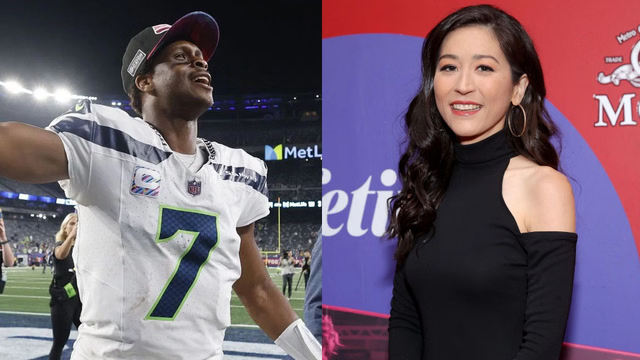
And after the Seattle Seahawks punched their ticket to the Super Bowl, one forgotten opinion came rushing back into the spotlight — dragging ESPN analyst Mina Kimes along with it.
When Seattle traded Geno Smith to the Las Vegas Raiders last offseason and signed Sam Darnold as his replacement, the move was widely questioned.
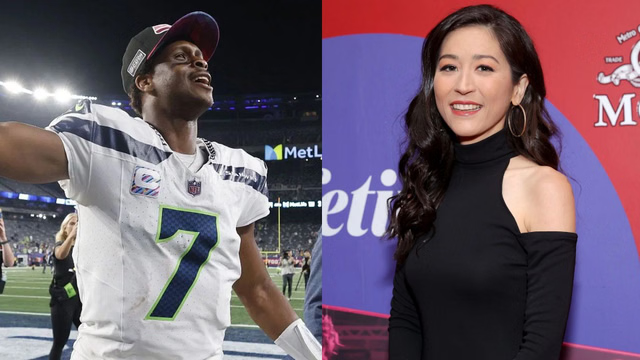
Few were louder than Kimes, who called it “a terrible move” and suggested the odds of upgrading at quarterback were extremely low.
At the time, that view made sense.
Smith had stabilized the Seahawks post–Russell Wilson. Darnold carried baggage, jokes, and the lingering “seeing ghosts” label. On paper, Seattle appeared to be downgrading at the most important position in sports.
Then the season happened.

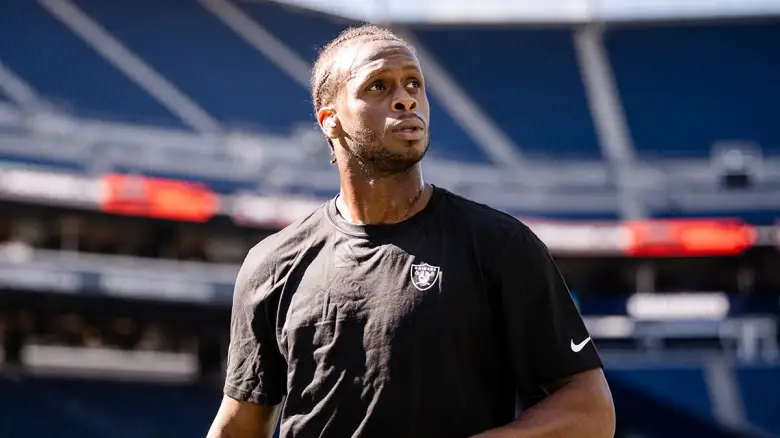
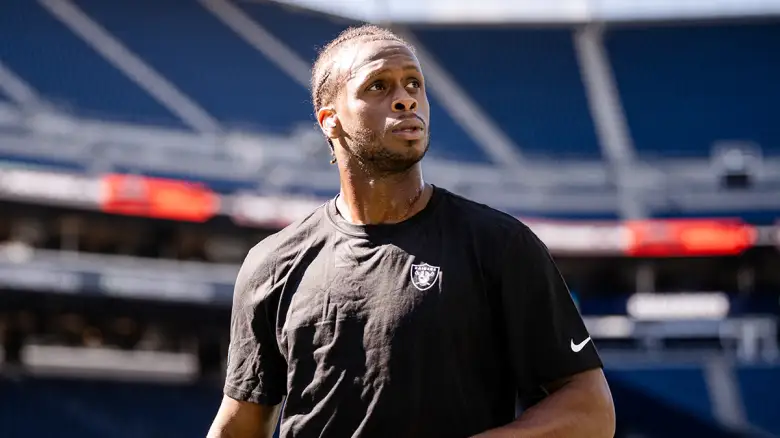
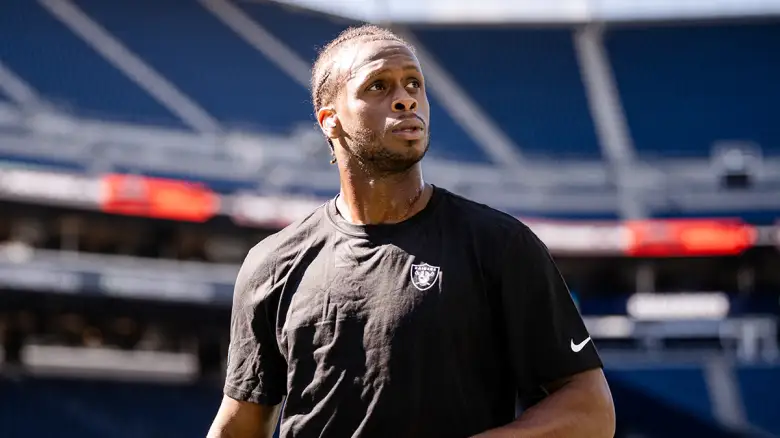
Smith’s time in Las Vegas unraveled quickly. The Raiders stumbled to a 3–14 record, with Smith leading the league in interceptions. Less than a year after signing a contract extension, he’s now staring at the possibility of being released.
Seattle, meanwhile, just beat the Los Angeles Rams and is headed to the Super Bowl.
Hindsight doesn’t whisper. It screams.
And social media wasted no time reminding Kimes.
Screenshots of her original post flooded timelines, framed next to Seattle’s playoff success and Smith’s collapse in Vegas. The reaction wasn’t subtle.
Fans treated it as a referendum not just on one take, but on the broader skepticism that followed Seattle’s front office over the last few years.
That skepticism has aged poorly.
The Seahawks first shocked the league by trading Russell Wilson — a move that looked reckless until Denver collapsed under its weight. Then they moved on from Pete Carroll, betting on Mike Macdonald, one of the NFL’s youngest head coaches. That gamble paid off faster than anyone expected.
The Geno Smith trade was simply the next domino.
To be fair, context matters. Smith had produced solid numbers in Seattle. The Raiders are a far less stable environment. Quarterbacks rarely thrive amid chaos, and Las Vegas has lived in it for years.
But the contrast remains jarring.
Seattle replaced Smith with Darnold at a lower cost. The Raiders gave up a third-round pick and more money — only to watch Smith’s season implode. Even those who doubted Darnold now have to acknowledge that Seattle’s process, not just its luck, played a role.
There’s also the Tom Brady factor.
According to reports, the Raiders were expected to pursue Darnold before Seattle moved quickly. That didn’t happen. Minority owner Tom Brady reportedly opposed the idea, steering the franchise elsewhere.
The result? Seattle got the quarterback. Las Vegas got the interceptions.
None of this means Mina Kimes was “wrong” in the moment. Most NFL takes live in uncertainty. But results are unforgiving, and narratives don’t pause for nuance.
The Seahawks didn’t just win — they validated a philosophy: calculated risk, clarity of vision, and willingness to look foolish before being proven right.
For analysts, that’s the danger zone.
One season can turn a confident opinion into a cautionary screenshot.
And now, as Seattle prepares for the Super Bowl, the loudest reminder isn’t Geno Smith’s stat line or Sam Darnold’s redemption — it’s how fast certainty can age in the NFL.
Especially when receipts never expire.
Leave a Reply