The Houston Astros did not make many splashy moves during the offseason, and that quiet winter could end up becoming a serious issue during the 2026 MLB season.
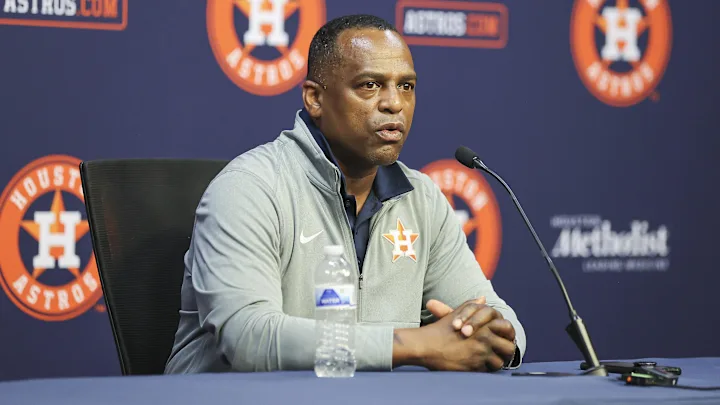
General manager Dana Brown mostly stood pat with a veteran-heavy roster, choosing to make only a few additions while hoping the core of the team can bounce back after a disappointing finish in 2025.
A quiet offseason in Houston
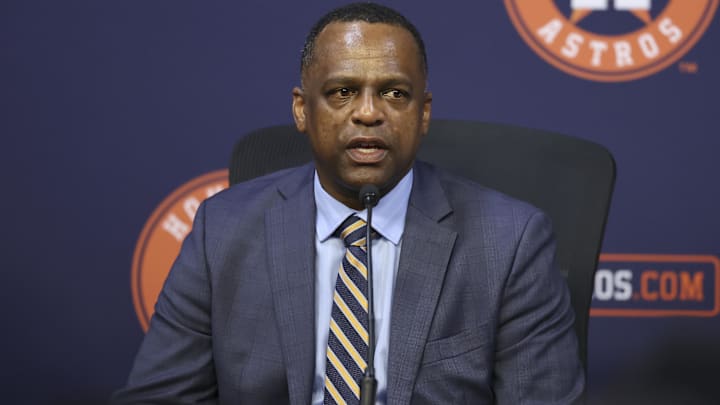
Dana Brown | Troy Taormina-Imagn Images
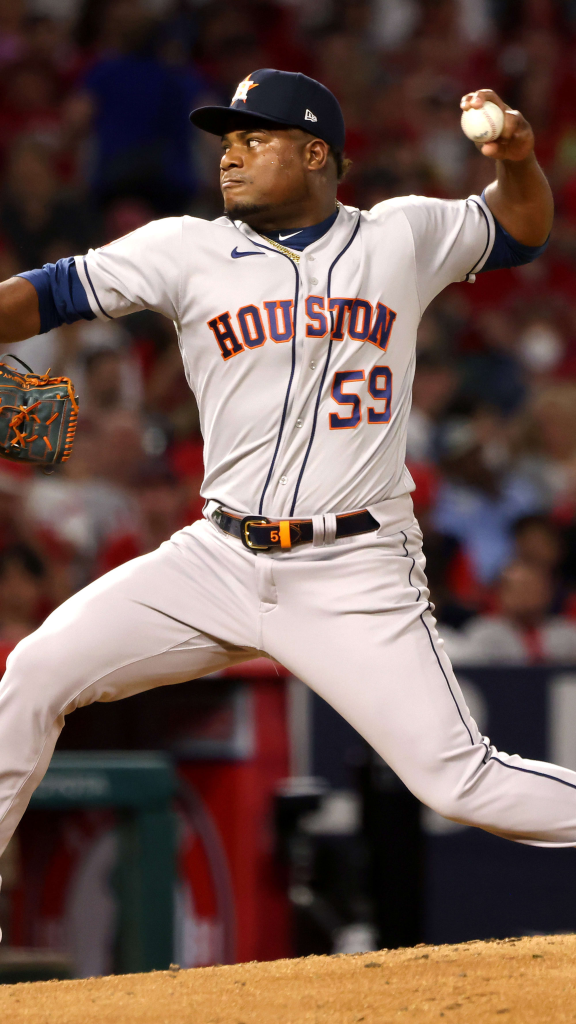
Houston’s biggest loss came when starting pitcher Framber Valdez departed in free agency to sign with the Detroit Tigers.
To help offset that loss, the Astros added Japanese pitching star Tatsuya Imai, hoping he can stabilize the rotation. Outside of that move, the front office made only minor roster adjustments.
Those moves included:
- Acquiring Mike Burrows in a three-team trade involving the Tampa Bay Rays and Pittsburgh Pirates
- Re-signing veteran catcher Christian Vázquez, who previously helped Houston win a World Series
While these additions bring some experience, they do little to address the Astros’ most pressing concern — overall roster depth.
Depth could be Houston’s Achilles heel
According to analysis from Sports Illustrated, Houston’s lack of depth may prove to be the team’s biggest weakness entering the season.
The Astros stumbled badly late last year, with a September collapse that cost them both the AL West title and a playoff berth. That disappointing finish exposed some of the roster’s limitations.
Those concerns have not entirely disappeared.
The current roster still relies heavily on veteran players, and the bottom half of the lineup lacks consistent offensive firepower. If injuries strike key contributors, Houston may struggle to replace that production.
Rotation questions after Valdez departure
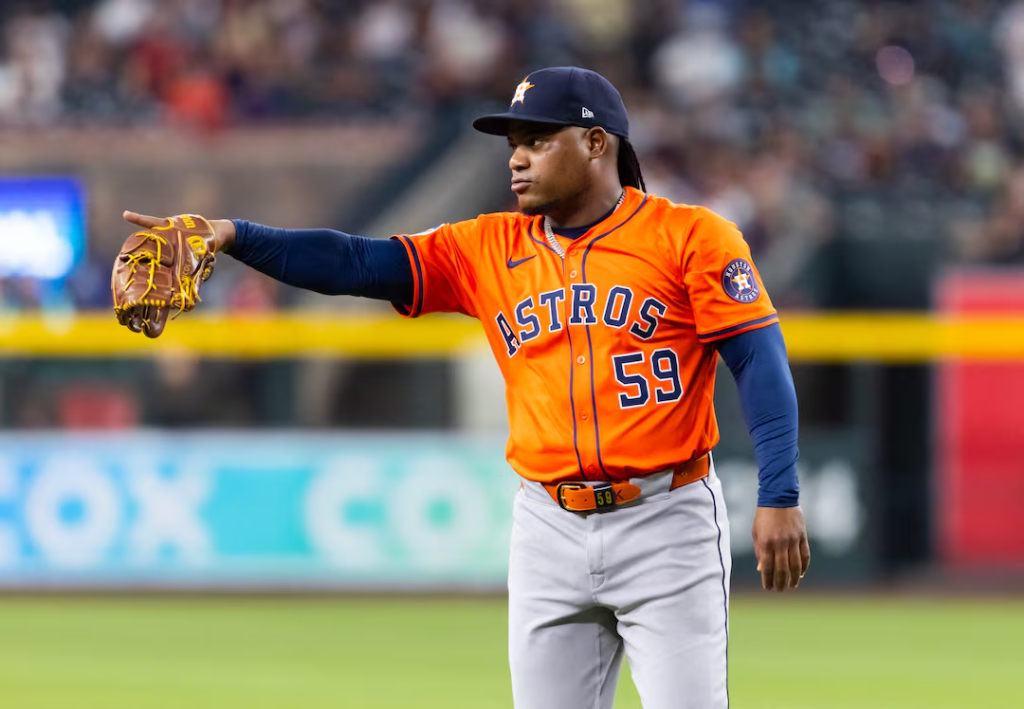
Losing Valdez leaves the Astros with significant uncertainty in their starting rotation.
Although the team is optimistic about Tatsuya Imai, replacing a proven frontline starter always carries risk — particularly when the rotation already had question marks entering the offseason.
If Imai struggles to adapt to MLB hitters or if other starters encounter injuries, the Astros could quickly find themselves thin on pitching options.
Jeremy Peña injury adds another concern
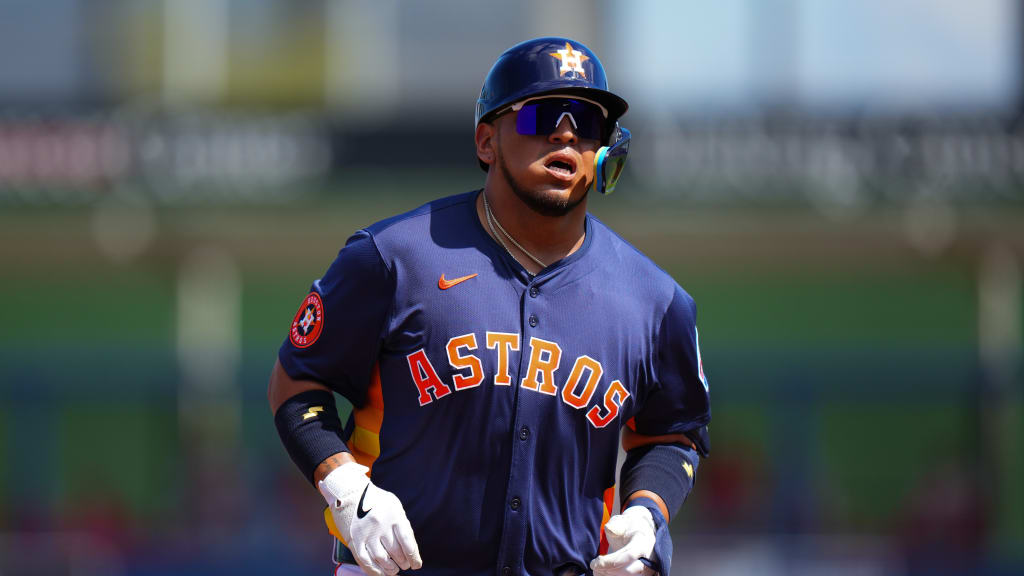
Another early challenge for Houston involves All-Star shortstop Jeremy Peña.
Peña suffered a finger injury that forced him to withdraw from the World Baseball Classic, and the issue has put his availability for Opening Day into question.
His absence would create another gap in the lineup, particularly given the team’s already limited depth.
Trade rumors that never materialized
During the offseason, Houston explored trade possibilities involving utility infielder Isaac Paredes.
However, the Astros ultimately chose to keep him after failing to find a deal that matched their expectations.
In hindsight, that decision may prove beneficial — especially if Peña’s injury keeps him out early in the season.
Still, some analysts believe Houston missed an opportunity to add a left-handed power bat, something teams like the Boston Red Sox potentially could have provided with players such as Jarren Duran or Wilyer Abreu.
A challenging road back to contention
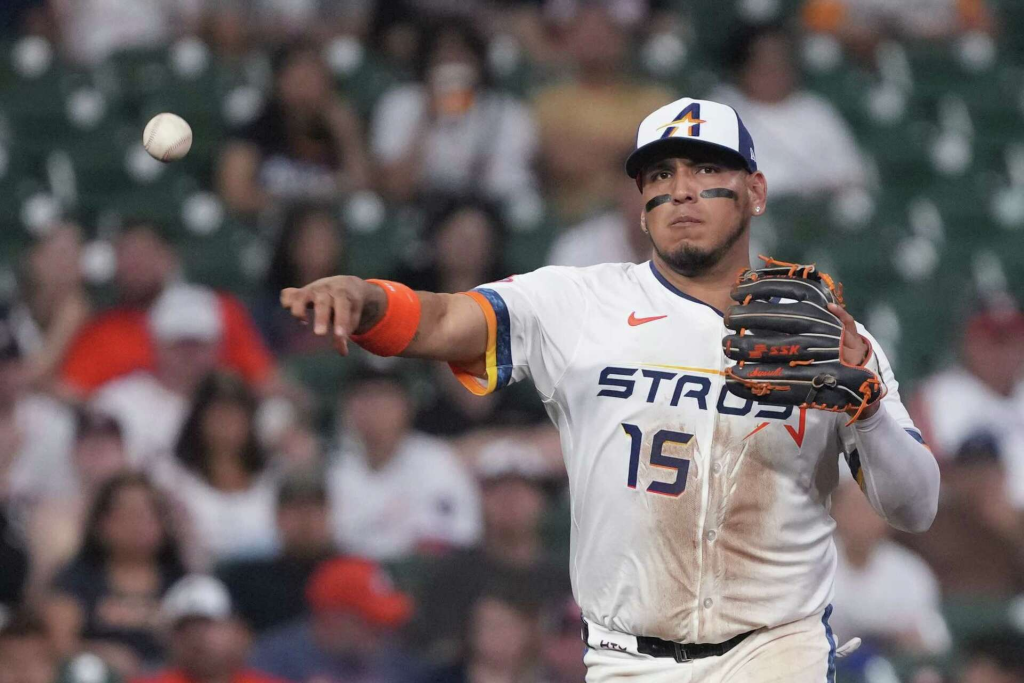
The Astros remain a competitive team, but the margin for error appears smaller than it has been in recent years.
Once perennial World Series contenders, the current roster looks thinner than the teams Houston fielded during its recent dynasty.
If the club stays healthy, it may still compete for a playoff spot. But if injuries begin to pile up — especially among an aging core of veterans — Houston’s lack of depth could quickly become the factor that derails its 2026 season.
Leave a Reply