The Houston Astros came out of Opening Weekend with mixed signals—and a growing concern that could shape their early season.
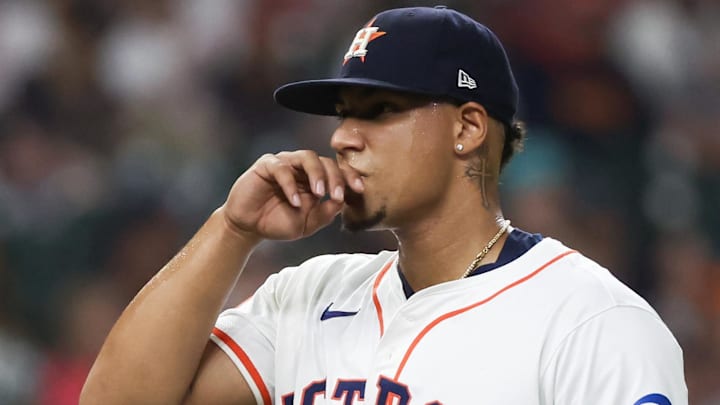
Houston Astros relief pitcher Bryan Abreu | Thomas Shea-Imagn Images
While the offense eventually found its rhythm, the pitching staff told a far more troubling story.
Across a four-game split with the Los Angeles Angels, Houston’s pitchers struggled to command the strike zone. The starters failed to deliver a single quality outing, combining for high walk totals and inconsistent results. The bullpen didn’t provide stability either, issuing an alarming number of free passes that kept games from ever fully settling.
But one development stood out above the rest.
Bryan Abreu, one of the most reliable relievers in baseball over the past several seasons, opened 2026 looking uncharacteristically vulnerable. With Josh Hader sidelined to begin the year, Abreu was expected to anchor the back end of the bullpen.
Instead, his first appearances raised immediate red flags.
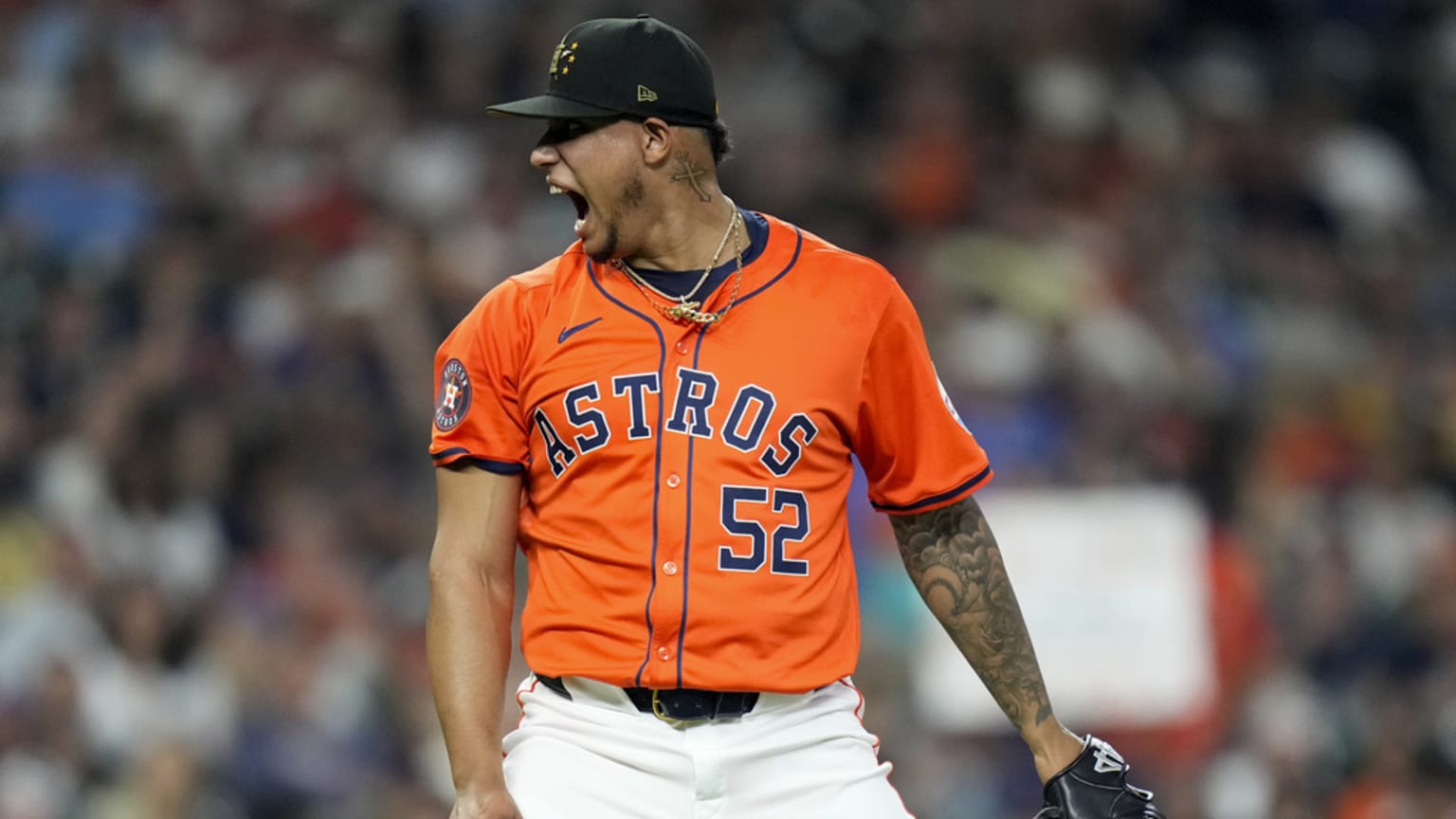
In his season debut, Abreu entered with a comfortable lead but allowed a three-run home run that quickly tightened the game. He managed to finish the outing, but the lack of dominance was noticeable. In his next appearance, he again struggled in a save situation and was pulled before recording the final outs.
The bigger concern wasn’t just the results—it was the velocity.
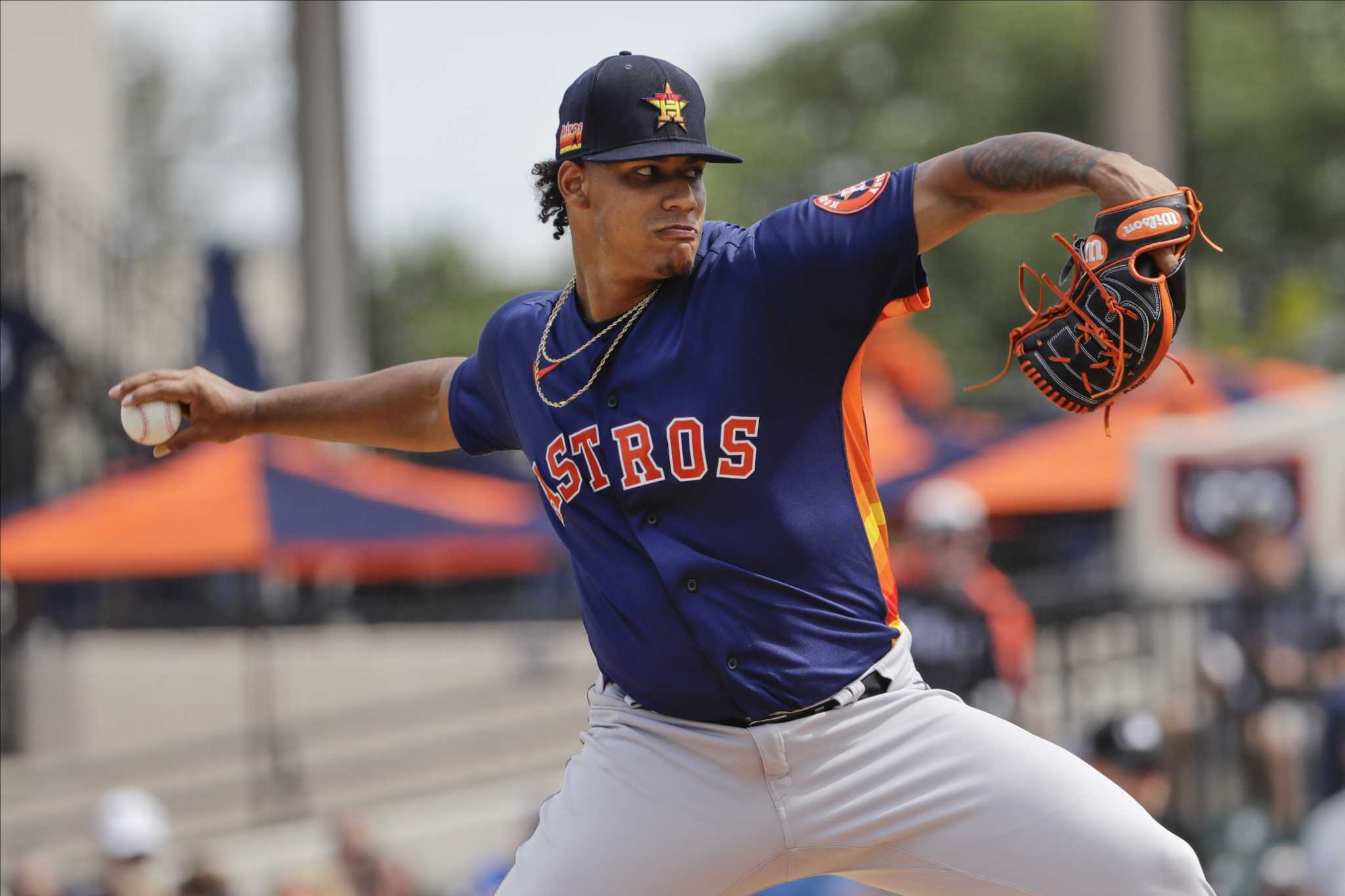
Abreu’s fastball, typically sitting in the upper-90s, dropped significantly. In one outing, it averaged just over 93 mph, a sharp decline from his usual form. For a pitcher whose effectiveness is closely tied to power and late movement, that kind of dip is hard to ignore.
Naturally, it raises questions.
Heavy workload could be part of the explanation. Over the past four seasons, Abreu has been among the most frequently used high-leverage relievers in the league, logging significant innings while maintaining elite production. That kind of usage often comes with long-term wear, even for the most durable arms.
Astros manager Joe Espada didn’t dismiss the concern.
After one of Abreu’s outings, Espada acknowledged the velocity drop and emphasized the need to evaluate both his mechanics and overall approach. He pointed to the importance of attacking hitters with confidence—a hallmark of Abreu’s success in previous seasons.
Behind the scenes, the situation has already drawn attention.
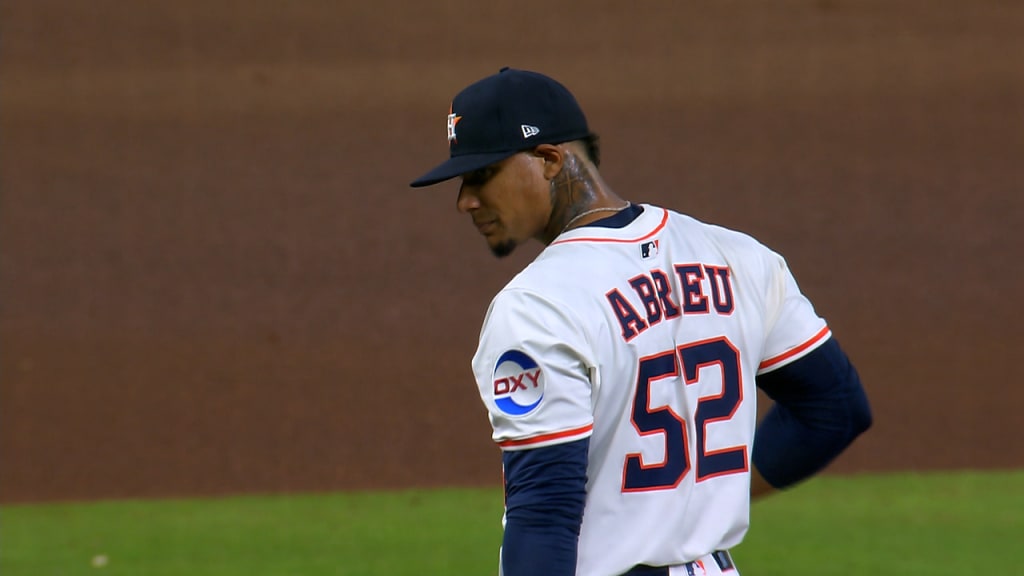
Espada reportedly met with Abreu shortly after addressing the media, signaling that the team is taking a proactive approach. However, there’s been no indication of an injured list stint, and early updates suggest the issue may be mechanical rather than physical.
For now, that offers some reassurance.
But the margin for error is thin.
With Hader already unavailable, Houston’s bullpen depth is being tested earlier than expected. If Abreu’s struggles persist—or if the velocity issue worsens—the Astros could find themselves searching for late-inning answers much sooner than anticipated.
It’s still early in the season.
Yet for a team with postseason expectations, the warning signs are already there—and they’re getting harder to ignore.
Leave a Reply