Just weeks ago, the Toronto Blue Jays looked like a team built for another deep October run. Fresh off a near World Series breakthrough in 2025, the organization had spent the offseason reinforcing what already appeared to be one of the most complete rosters in baseball.
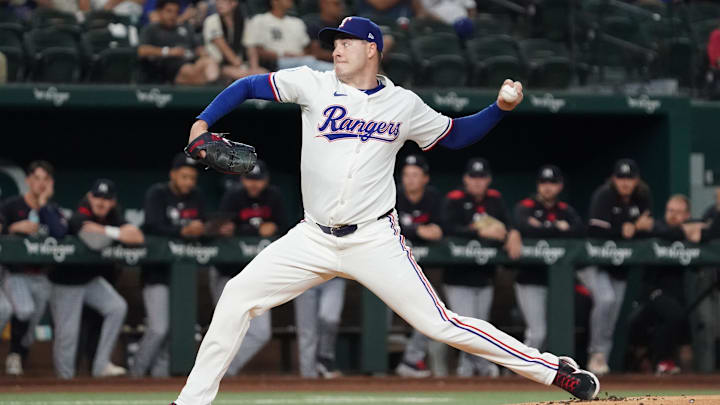
Patrick Corbin | Raymond Carlin III-Imagn Image
Now, only days into the new season, that sense of stability has been replaced by urgency.
Toronto made a telling move this week, signing veteran left-hander Patrick Corbin to a one-year deal and immediately assigning him to Triple-A Dunedin to ramp up. This wasn’t about long-term planning—it was about survival.
The Blue Jays didn’t just want Corbin. They needed him.
A brutal string of early injuries has ripped through what was expected to be one of the strongest pitching staffs in the league. What once looked like depth is now being stretched thin, forcing the front office to react quickly before things spiral further.
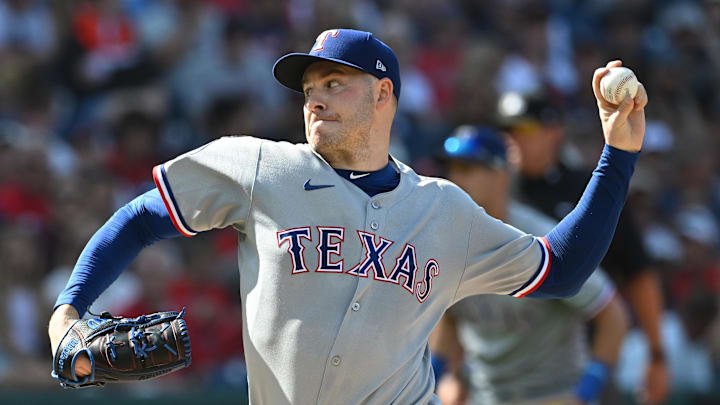
Pitcher Patrick Corbin | Ken Blaze-Imagn Images
The list of sidelined arms is already alarming. Trey Yesavage is dealing with a shoulder impingement. Cody Ponce is out with a knee ACL sprain. Shane Bieber, one of the team’s most important offseason additions, is battling elbow inflammation.
It doesn’t stop there. Yimi Garcia is still working his way back from last year’s elbow surgery. Jose Berrios is sidelined with a stress fracture in his elbow. Bowden Francis is gone for the entire season after undergoing UCL reconstruction.
This isn’t a minor setback—it’s a direct hit to the core of Toronto’s pitching identity.
During the winter, the Blue Jays made it a priority to build both quality and depth. Adding Bieber brought frontline upside, while Ponce offered flexibility and innings stability. On paper, it was a well-constructed group designed to withstand a long season.
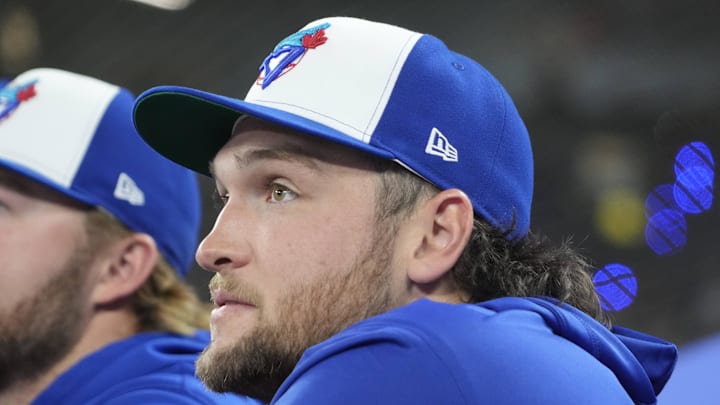
Toronto Blue Jays pitcher Trey Yesavage | John E. Sokolowski-Imagn Images
But no amount of planning fully accounts for this kind of early collapse.
That’s where Corbin enters the picture.
At 36 years old, he’s no longer the dominant force he once was. His peak years—highlighted by back-to-back standout seasons in 2018 and 2019 with ERAs in the low 3.00s and elite strikeout numbers—are behind him. Still, his durability and experience remain valuable.
Last season with Texas, Corbin logged over 155 innings with a 4.40 ERA, proving he can still take the ball consistently. For a team suddenly desperate for innings, that matters.

He won’t be asked to lead the rotation. He doesn’t have to.
Instead, Corbin gives Toronto something it currently lacks: a reliable fallback option. A veteran presence who can step in when the next injury—or setback—inevitably arises.
For now, the Blue Jays are leaning on a rotation that still includes Kevin Gausman, Dylan Cease, Eric Lauer, and Max Scherzer. On paper, that group remains formidable. But even early results have shown cracks, including a surprising pair of losses at home to Colorado.
The warning signs are already there.
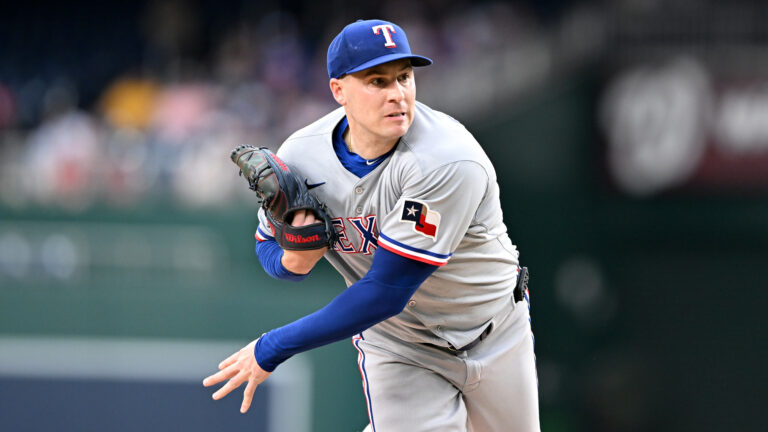
Toronto entered the season with championship expectations. Instead, they’re navigating a pitching crisis before April has fully unfolded. The addition of Corbin won’t solve everything—but it underscores just how quickly things have changed.
In a season that once felt full of promise, the Blue Jays are now fighting to hold the line—and hoping this is as bad as it gets.
Leave a Reply