The New York Mets made a bold bet this offseason.

Mar 5, 2026; West Palm Beach, Florida, USA; New York Mets third baseman Bo Bichette (19) looks on from the dugout against the Washington Nationals during the third inning at CACTI Park of the Palm Beaches. Mandatory Credit: Sam Navarro-Imagn Images | Sam Navarro-Imagn Images
They believed moving Bo Bichette to third base could help solve a defensive problem while keeping his bat in the lineup. It was a gamble—one tied not just to performance, but to identity.
And early signs suggest it may not last.
This wasn’t a minor adjustment.
Shifting from shortstop to third base might seem like a step down in difficulty, but the reality is more complicated. The demands are different. Reaction time becomes critical. Decisions have to be instant. There’s less room to recover.
So far, Bichette hasn’t looked comfortable.
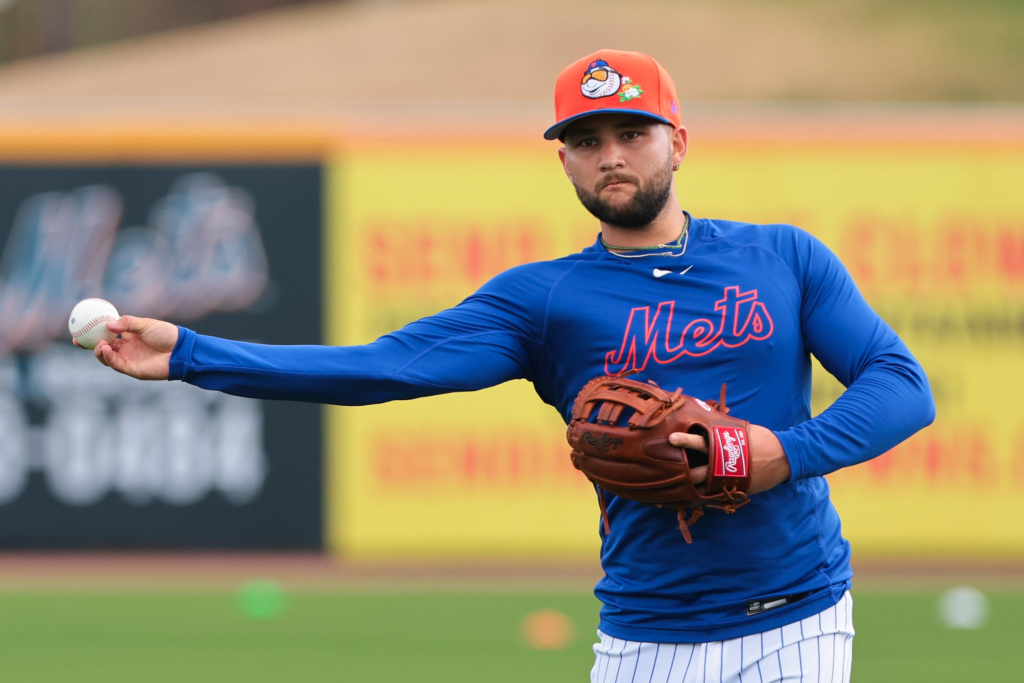
In limited action, the results are already raising concerns. An early error highlighted the challenge, but the deeper issue lies in the underlying metrics. Even in a small sample, the defensive numbers suggest he’s struggling to adapt.
And if that trend continues, it won’t be ignored.
Because the Mets have alternatives.
Brett Baty remains an option at third base—a player who has already shown he can handle the position at a respectable level. His defensive metrics from last season indicate stability, something New York may soon prioritize over experimentation.
That creates a natural pivot.
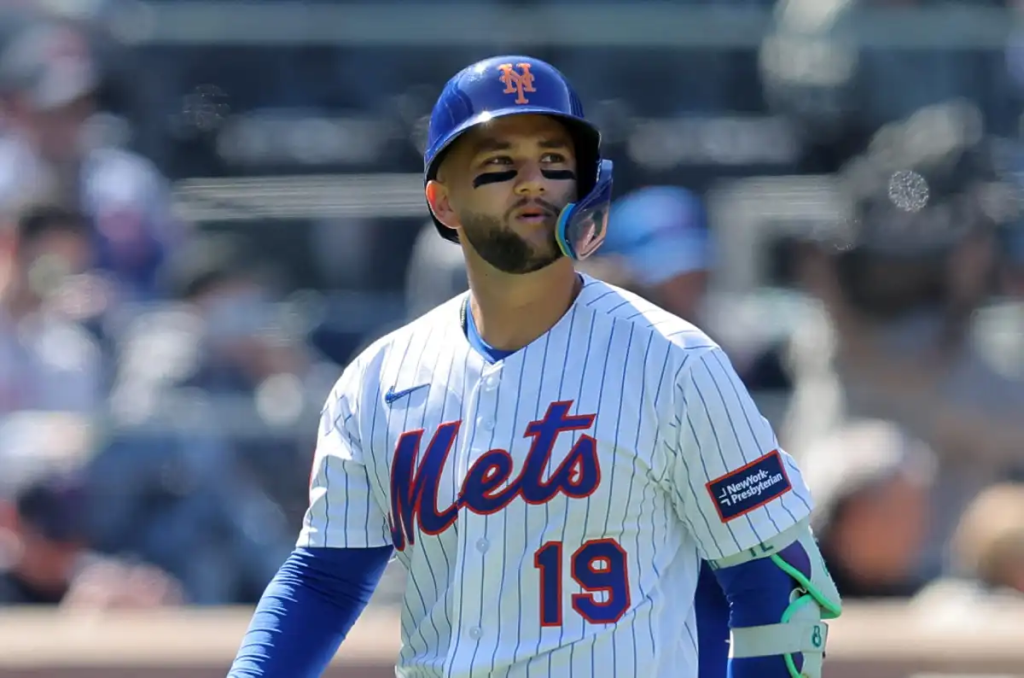
Move Bichette off the field.
Keep his bat in the lineup.
It’s a logical solution—but not an easy one.
Bichette is in his prime, and like many players, he likely takes pride in playing the field. Transitioning to a full-time designated hitter role isn’t just a strategic move—it’s a philosophical one. And for a player of his stature, it’s not always an appealing shift.
There’s also the financial factor.

When a team invests heavily in a player, the expectation is versatility and impact—not limitation. Committing to Bichette as a one-dimensional contributor could feel like a concession, even if it ultimately benefits the team.
So the Mets will wait.
They’ll give him opportunities. They’ll work on mechanics. They’ll try to refine his instincts at third base and hope improvement follows.
But patience has limits.
If the defensive struggles persist—and if they begin to cost games—the decision becomes clearer. At some point, production has to outweigh pride, and results have to outweigh projections.
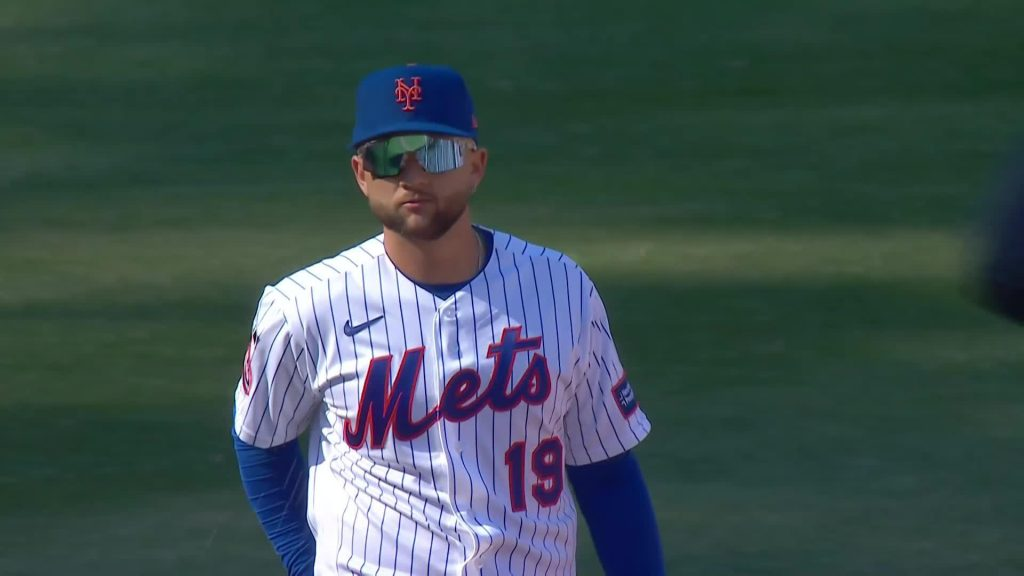
That moment may not be far away.
Early June feels like a natural checkpoint. By then, there will be enough data, enough repetition, and enough clarity to make a decision without hesitation.
Until then, the experiment continues.
But the margin for error is shrinking.
And the Mets may soon have to accept what the early signs are already suggesting—that this wasn’t the right fit.
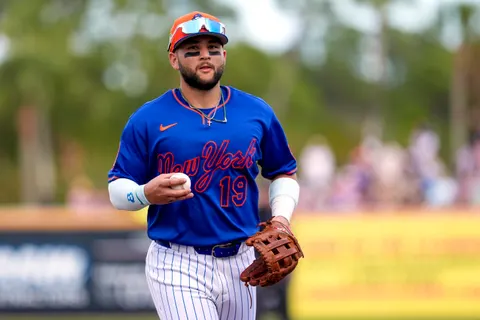
Because in a long season, adjustments aren’t optional.
They’re inevitable.
Leave a Reply