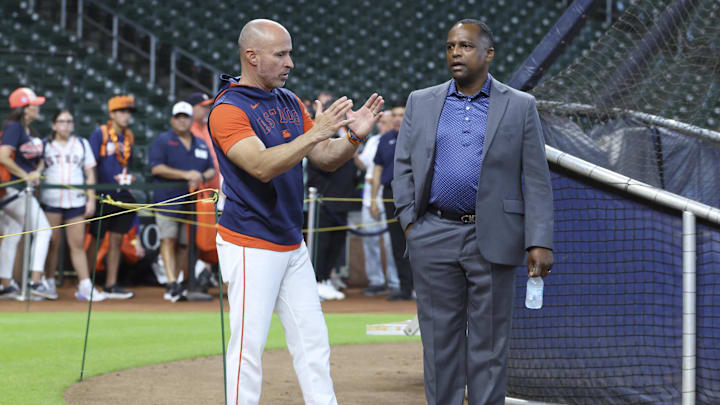
Jun 28, 2025; Houston, Texas, USA; Houston Astros manager Joe Espada (left) and general manager Dana Brown (right) talk on the field before the game against the Chicago Cubs at Daikin Park. Mandatory Credit: Troy Taormina-Imagn Images | Troy Taormina-Imagn Images
The Houston Astros are chasing contention in 2026—but the bigger question is what happens if they fall short again.
This isn’t a team clearly rebuilding, nor one firmly positioned among the elite. Instead, Houston finds itself in a dangerous middle ground—good enough to compete, but perhaps not good enough to matter in October.
And that uncertainty could define the franchise’s future.
A team caught between eras
For years, the Astros were a model of sustained success.
Now, the picture is less clear.
Projections for 2026 place Houston somewhere around a .500 team—competitive, but not dominant. Even a slightly optimistic outlook, hovering in the mid-80s in wins, may not be enough to secure a playoff spot in a crowded American League.
That’s where things get complicated.
Because for an organization like Houston, “almost” isn’t acceptable.
Pressure builds at the top
If the Astros miss the postseason again, the consequences could be immediate.
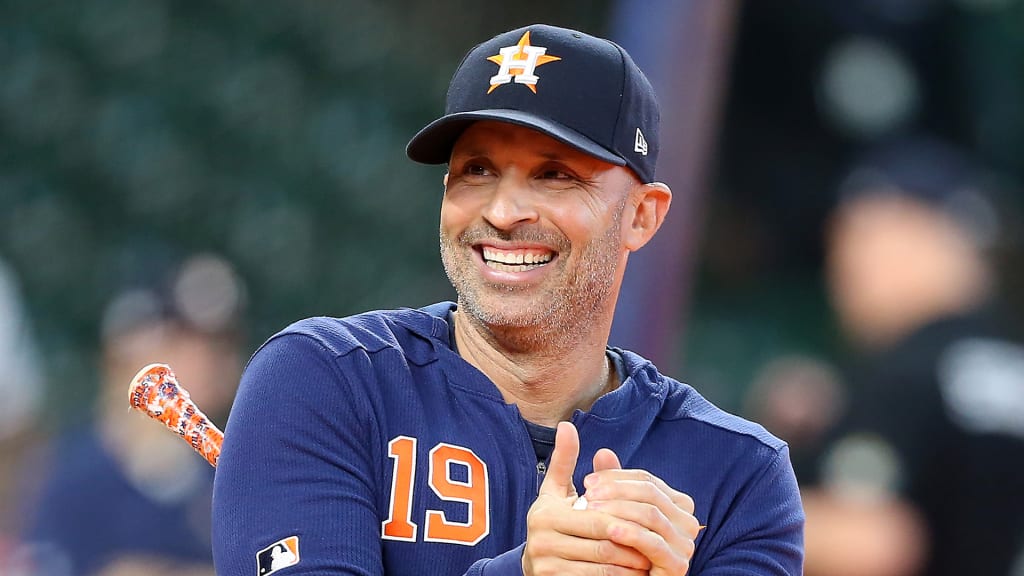
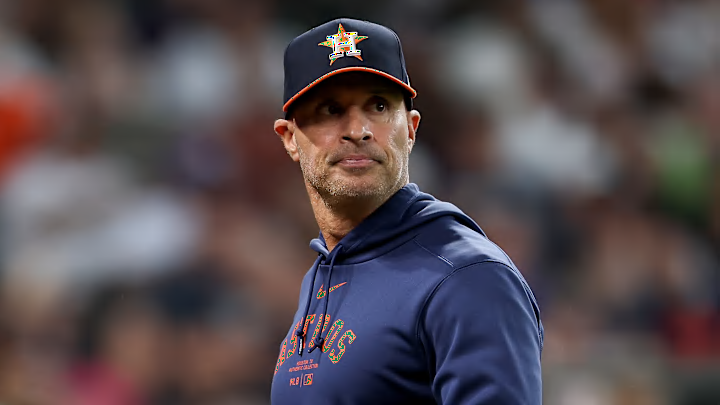
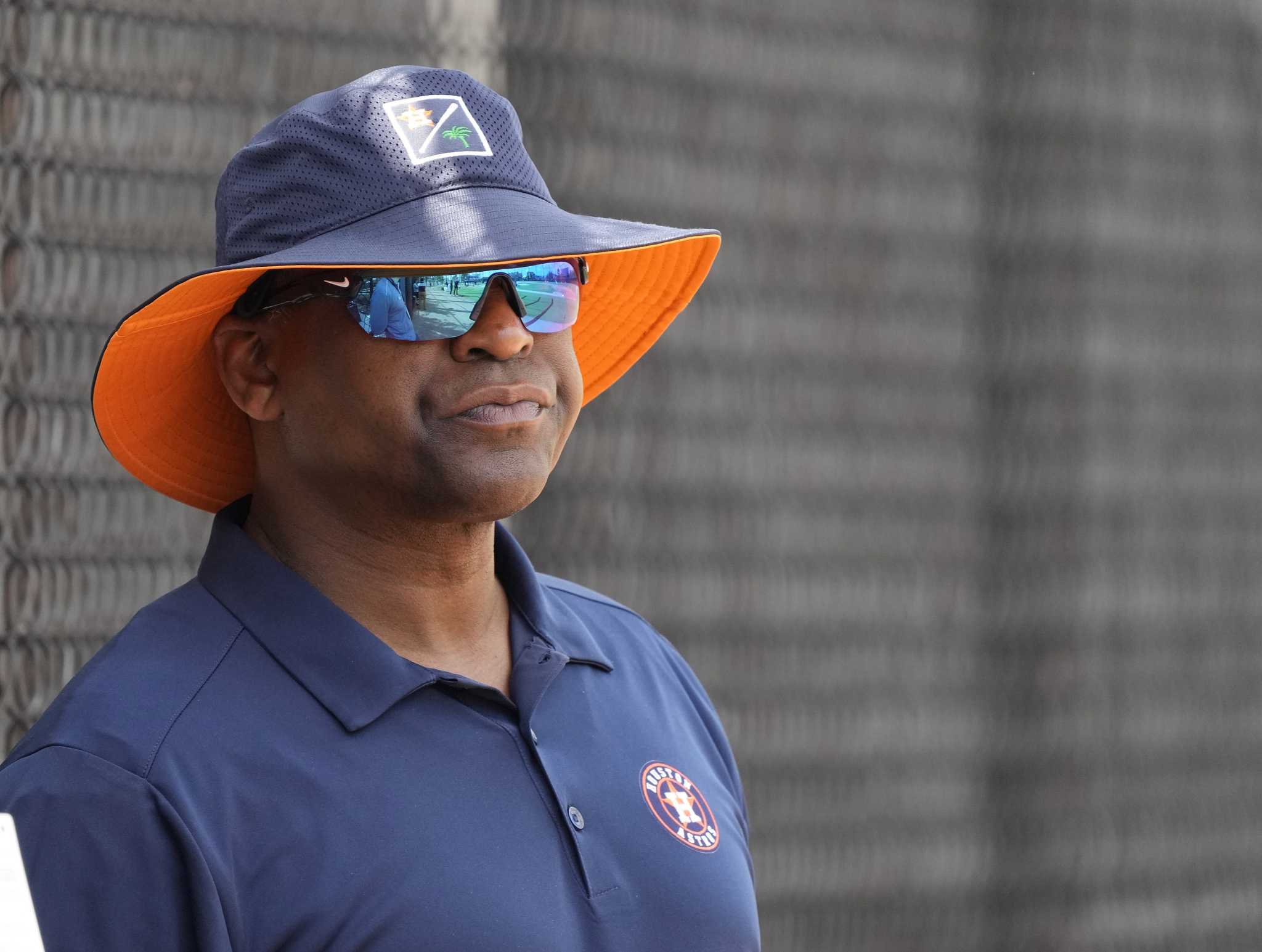
General manager Dana Brown and manager Joe Espada are both entering the final year of their contracts. Ownership has already made it clear—results will determine their future.
Another disappointing finish could bring sweeping changes in leadership.
And once that door opens, it rarely stops there.
The bigger question: what comes next?
Even beyond the front office, Houston faces a deeper issue.
The core that once carried the franchise—players like José Altuve and Carlos Correa—won’t remain productive forever. At the same time, the pipeline behind them isn’t ready to seamlessly take over.
The farm system lacks high-end depth, and many veteran contracts limit flexibility.
It’s a difficult position.
A potential pivot toward the future
If 2026 doesn’t deliver, the Astros may have to consider a more aggressive shift.
That could mean difficult decisions involving some of their most valuable assets. Players nearing the end of team control, like Jeremy Peña or Hunter Brown, could become trade candidates under a new regime.
Even bigger names aren’t untouchable.
Yordan Alvarez, still in his prime and highly productive when healthy, could bring back significant value if the organization chooses to prioritize long-term rebuilding over short-term contention.
These are not easy moves—but they may become necessary.
The danger of staying in the middle
Ironically, the worst-case scenario might not be missing the playoffs entirely.
A fringe postseason appearance—without real championship potential—could delay tough decisions. It could convince leadership to maintain the current structure, pushing a larger reset further down the line.
That kind of hesitation often comes at a cost.
A defining season for Houston’s direction
The Astros enter 2026 with enough talent to compete—but not enough certainty to feel secure.
Every game, every stretch of the season, will carry added weight—not just for standings, but for what comes next.
Because this year isn’t just about wins and losses.
It’s about whether the Astros keep chasing the present—or finally start preparing for the future.
Leave a Reply