The Houston Astros are making a quiet but meaningful gamble heading into 2026.
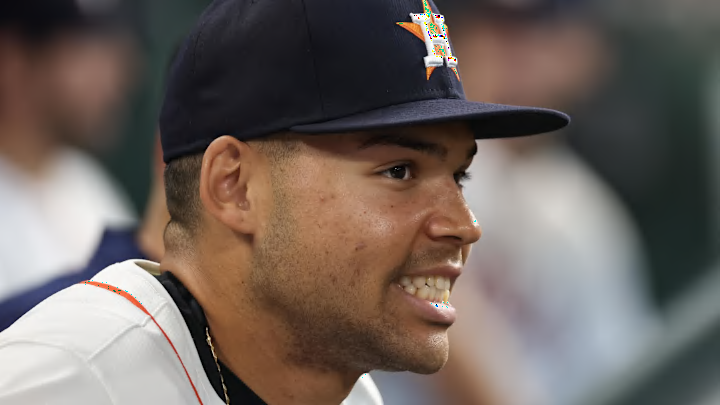
Jul 30, 2025; Houston, Texas, USA; Houston Astros right fielder Cam Smith (11) looks out from the dugout before playing against the Washington Nationals at Daikin Park. Mandatory Credit: Thomas Shea-Imagn Images | Thomas Shea-Imagn Images
They’re handing Cam Smith a starting role in right field—and with it, an expectation that he’s ready to take a major leap. After a season filled with inconsistency, the organization is choosing optimism. But beneath that optimism, the data still raises questions.
A new opportunity—and a shift in tone
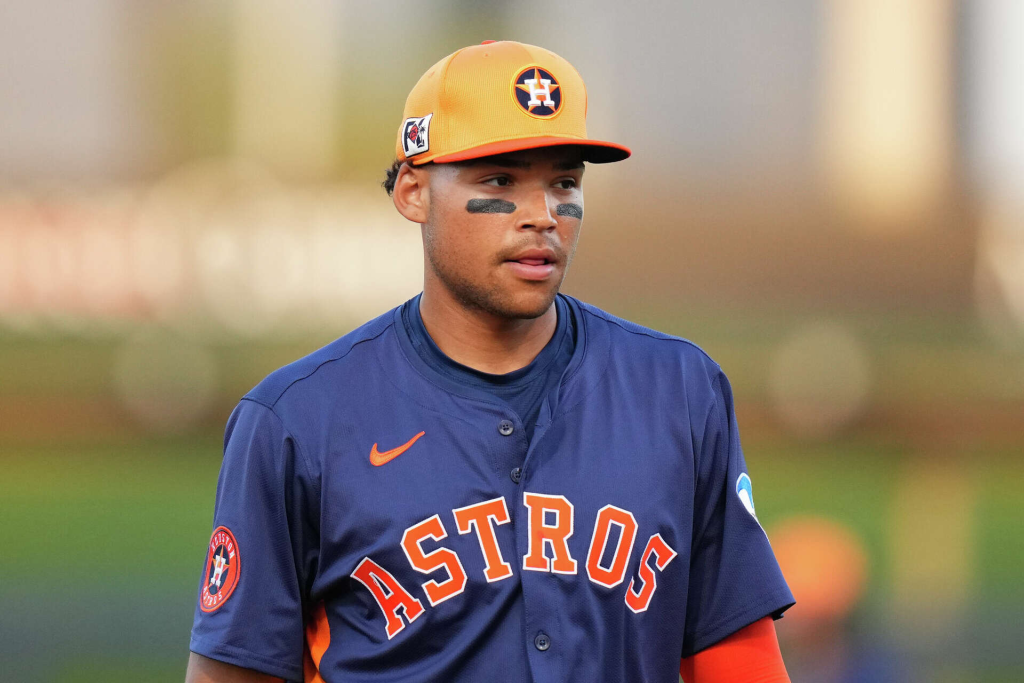
Not long ago, Smith’s future in Houston felt uncertain.
Back in November, comments from general manager Dana Brown hinted that even a roster spot on Opening Day wasn’t guaranteed. Fast forward a few months, and Smith now appears locked into a starting role.
That shift didn’t happen by accident.
His spring performance, while not eye-popping, has been solid enough to change the narrative. Through 15 games, Smith has posted a .256 average with a .356 on-base percentage and a .462 slugging mark—numbers that suggest progress, or at least stability.
The same concern still lingers
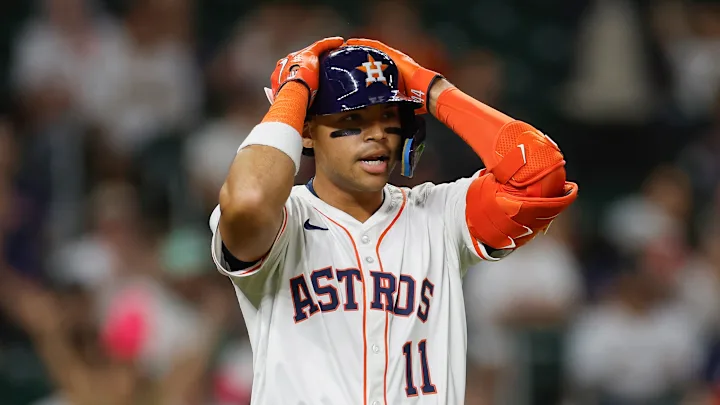
Even with that improvement, one issue refuses to go away: strikeouts.
Smith’s 26.7% strikeout rate this spring remains troubling, especially when paired with modest power production. He’s gone deep just once, raising concerns about whether his bat can consistently impact games.
This isn’t new territory.
Last season, Smith struck out nearly 28% of the time while hitting just nine home runs across 493 plate appearances. His .358 slugging percentage painted the picture of a hitter still searching for identity.
Contact—not patience—may be the real problem
At first glance, plate discipline doesn’t seem disastrous.
Smith’s chase rate sits slightly better than league average, suggesting he’s not wildly expanding the zone. But the deeper issue lies in his ability to make contact—even when he swings at strikes.
His whiff rate from 2025 tells the story. At 28.7%, it ranked well below average, indicating he struggled not just with pitch selection, but with execution.
Smith himself has acknowledged the issue.
He’s focused on shortening his swing this spring, working with new hitting coaches Victor Rodriguez and Anthony Iapoce. The goal is simple: stay compact, react quicker, and stop missing hittable pitches.
Early data offers mixed signals
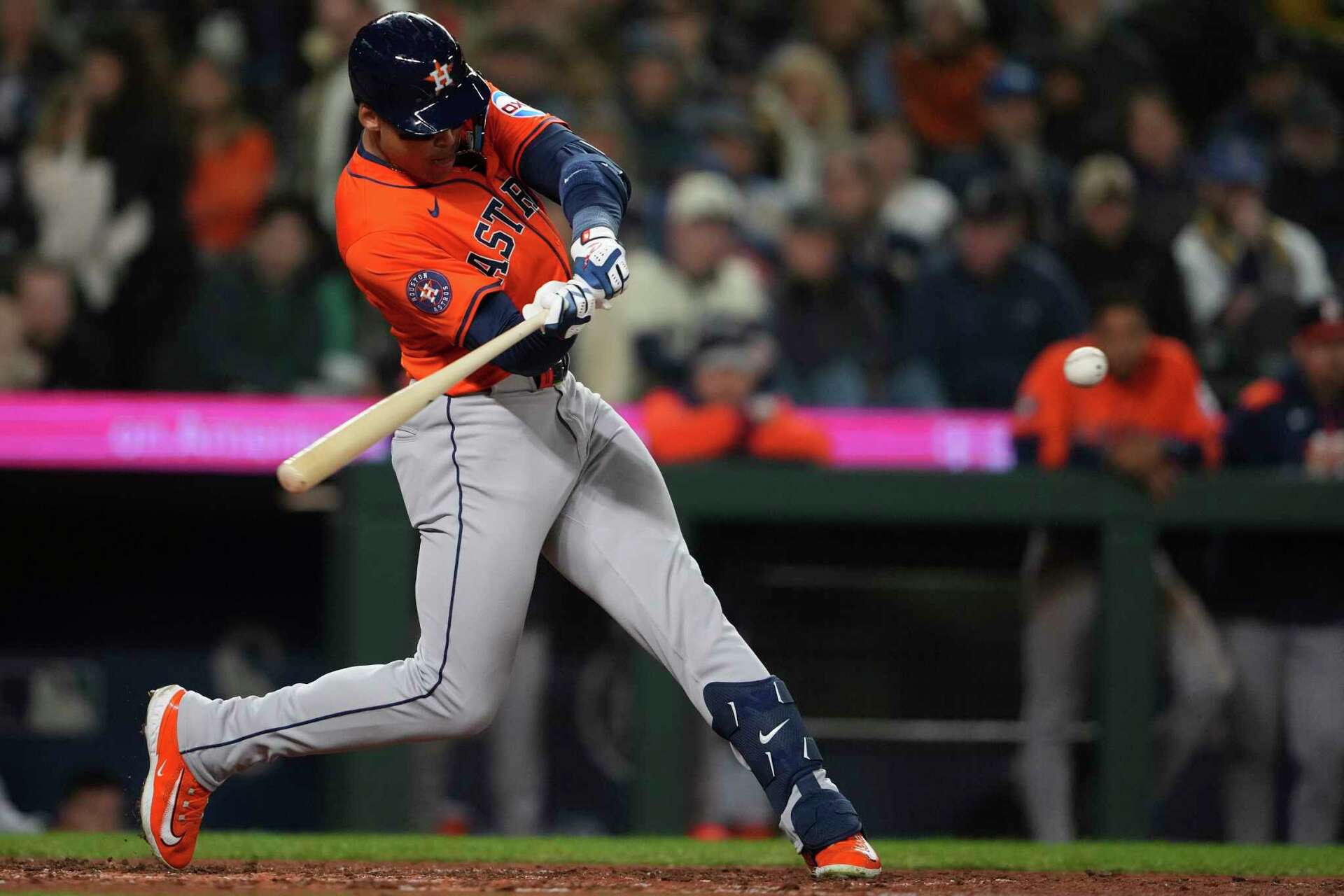
If the adjustments are taking hold, the early numbers don’t fully confirm it.
Advanced tracking metrics show a dip in his contact rate on pitches in the strike zone. At the same time, he’s swinging more often at pitches he should be ignoring.
It’s a small sample size, and spring training stats can be misleading—but when paired with last year’s struggles, the concerns feel familiar rather than temporary.
Handling adversity is one thing—overcoming it is another
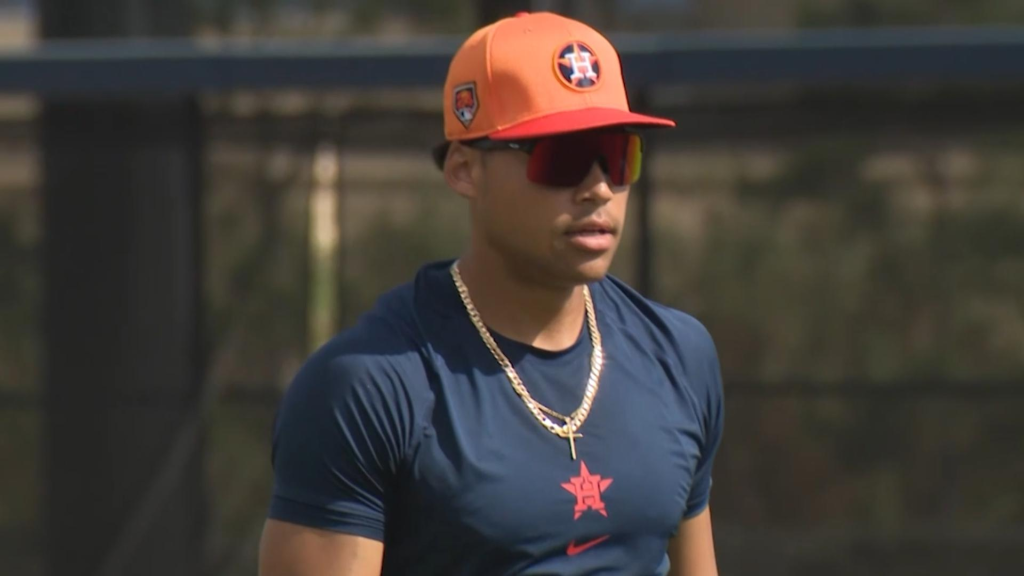
To Smith’s credit, the Astros have praised his mindset.
He handled a difficult 2025 season with maturity, even as his production dropped sharply in the second half. After posting a respectable .765 OPS before the All-Star break, he fell off dramatically to .489 down the stretch.
Resilience matters—but results matter more.
The next step isn’t just enduring struggles. It’s proving he can adjust and respond.
A breakout hinges on one key factor
There’s no denying Smith’s raw talent.
He brings athleticism, defensive versatility, and flashes of power-speed potential that teams covet. The tools are there. The opportunity is now.
But at this level, tools alone aren’t enough.
If Smith can improve his contact rate and cut down on empty swings, the upside is real—and potentially dangerous for opposing pitchers. If not, he risks becoming another player whose potential never fully translates.
For the Astros, the bet is already placed.
Now comes the part that matters most—whether Cam Smith can turn promise into production.
Leave a Reply