Not every trade that looks fair on paper actually helps the teams involved.
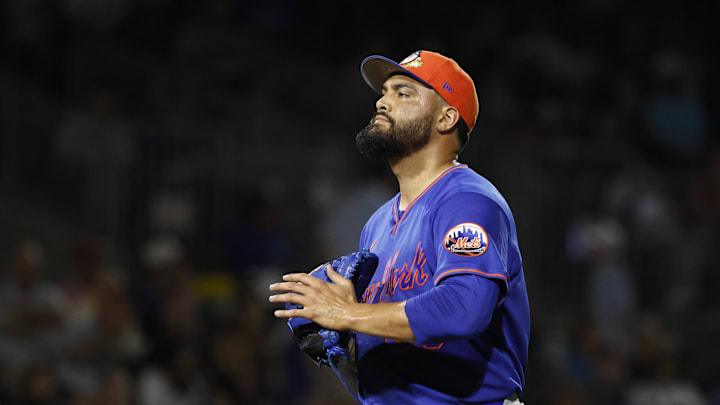
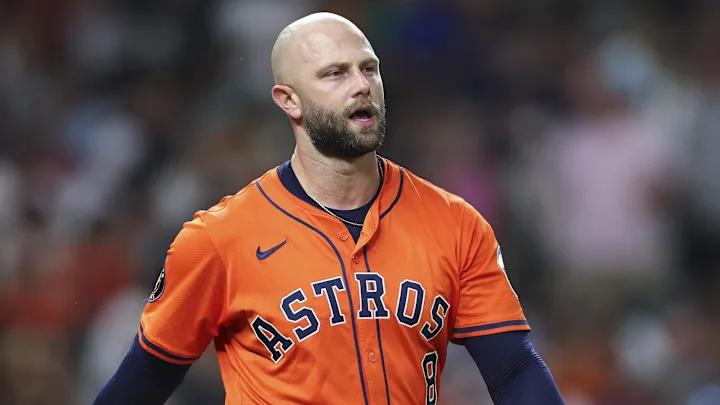
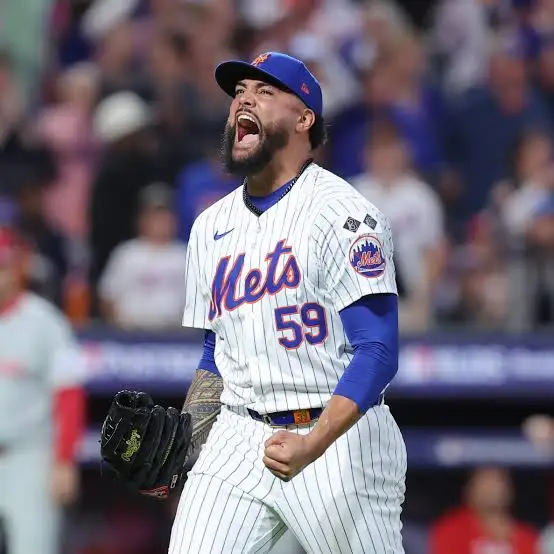
That reality is becoming clearer by the day as spring training unfolds—especially when looking back at the widely discussed idea of a swap between the New York Mets and Houston Astros involving Sean Manaea and Christian Walker.
At first glance, the logic seemed sound. Manaea’s struggles in 2025 were often tied to injuries, suggesting a potential rebound. Walker, meanwhile, showed signs of life late in the season, posting a strong second-half OPS that hinted at a turnaround. Even financially, the deal appeared balanced, with both players carrying similar salary commitments.
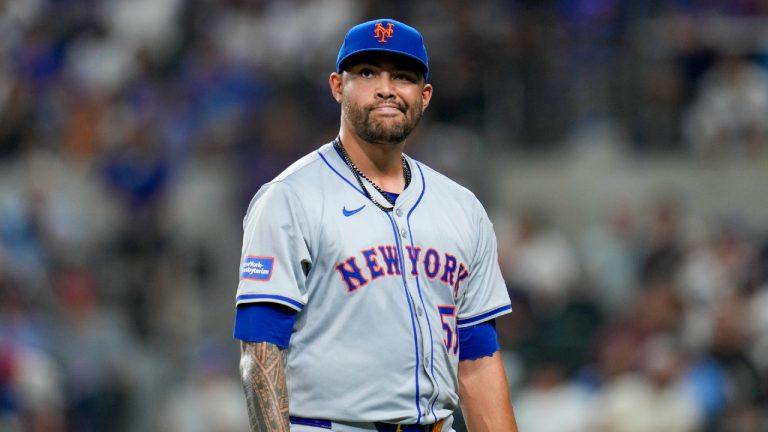
But now, just weeks into camp, that optimism has started to fade.
Manaea’s early outings have raised red flags. Across limited action, he’s posted a 6.35 ERA and, more concerning, hasn’t consistently reached 90 mph on the radar gun. For a pitcher expected to stabilize a rotation, that’s a troubling sign.
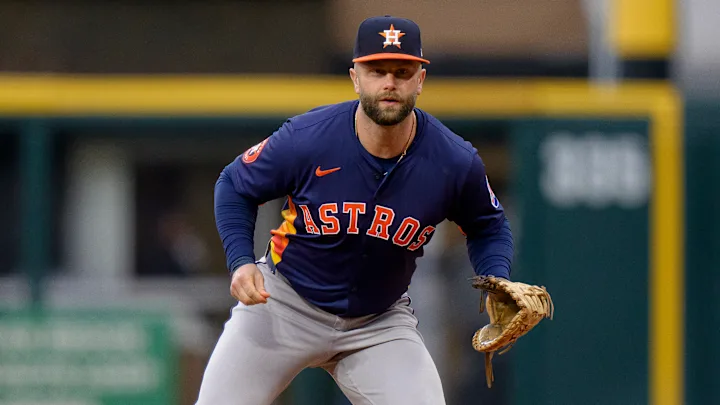
Walker hasn’t fared any better. His spring performance has been rough, slashing just .115/.207/.269 over a small sample. While spring numbers can be misleading, this isn’t happening in a vacuum—it echoes the struggles that defined his 2025 season.
Suddenly, what once looked like a clever exchange now feels like a simple transfer of problems.
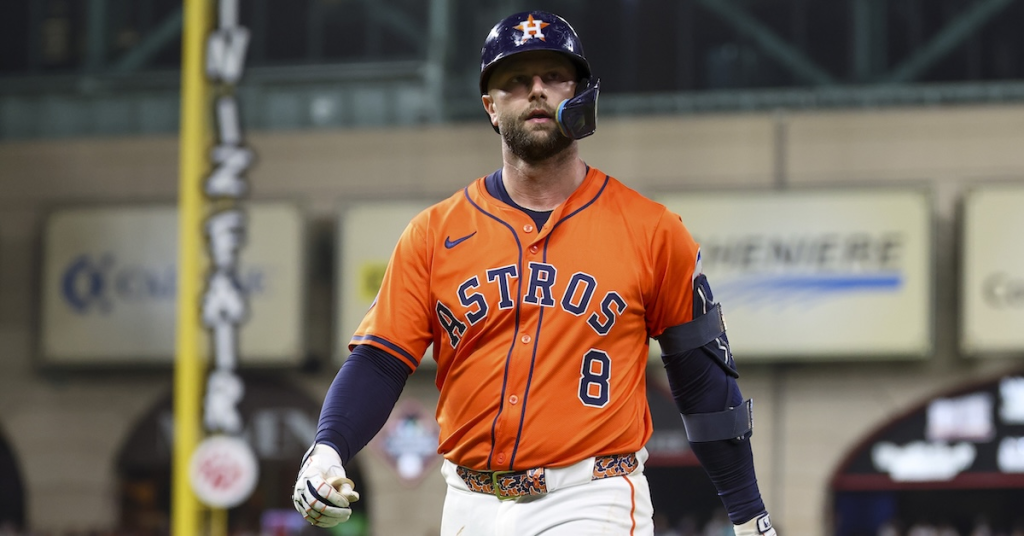
If the deal had gone through, both teams would likely still be searching for the same answers. The Mets would remain uncertain at first base, while the Astros would still lack a dependable No. 2 starter behind Hunter Brown. In other words, neither side would have gained meaningful ground.
Beyond performance concerns, roster construction adds another layer to the issue.
For New York, acquiring Walker could have complicated their financial and developmental plans. The Mets have already invested heavily elsewhere, and committing significant money to another uncertain bat would have limited flexibility. It also would have blocked opportunities for younger players like Brett Baty, who has shown encouraging growth and needs consistent at-bats to continue developing.
There’s also the matter of Jorge Polanco, who has impressed during spring training. Allocating resources to both Polanco and Walker would have created redundancy rather than clarity—hardly ideal for a team trying to refine its identity.
Houston faced a different, but equally problematic scenario.
Even if the Astros could have absorbed Manaea’s contract, doing so might have prevented them from pursuing or fully committing to other pitching options. Their offseason addition of Tatsuya Imai already carries financial risk, and doubling down on another uncertain arm would have been a questionable strategy.
More importantly, it would have limited opportunities for a wave of intriguing, low-cost pitchers currently competing for roles.
Names like Ryan Weiss, Kai-Wei Teng, and Peter Lambert have all shown promise in camp, while younger arms such as Spencer Arrighetti and AJ Blubaugh offer upside with flexibility. Many of these pitchers still have minor league options, giving Houston the ability to adjust throughout the season—something that would have been harder with Manaea occupying a fixed role.
In that sense, the Astros’ current approach offers both depth and adaptability at a fraction of the cost.
Looking back, the appeal of the trade was understandable. Both teams had needs, and both players seemed like plausible solutions. But spring training has a way of stripping away assumptions and revealing underlying risks.
This time, it exposed a deal that might have left everyone worse off.
For the Mets and Astros, the best move may have been the one they didn’t make.
Leave a Reply