The catcher’s position has always been baseball’s most demanding job. But according to Philadelphia Phillies star J.T. Realmuto, a new rule being introduced in 2026 may be making it even harder.
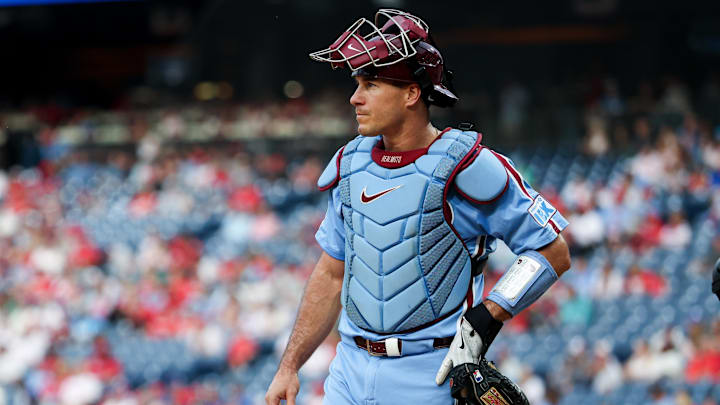
J.T. Realmuto is a two-time Gold Glover behind the plate. | Bill Streicher-Imagn Images
Major League Baseball is rolling out the Automated Ball-Strike (ABS) challenge system, allowing pitchers, catchers, and hitters to challenge a ball or strike call they believe was missed by the home-plate umpire.
While the rule is designed to create a more consistent strike zone, Realmuto admits the change brings a whole new layer of responsibility — especially for catchers.
A New Decision on Every Pitch

Under the ABS challenge system, teams receive two challenges per game. If a challenge is successful, the team keeps it. If not, the challenge is lost. Teams can also receive a third challenge in extra innings if they have already used theirs.
That means the decision to challenge isn’t just about whether the call was wrong.
It also involves game context.
Realmuto explained that players must constantly weigh factors such as:
- The count
- The score
- The inning
- Whether the pitch was clearly missed
“It is what it is,” Realmuto said during a Phillies broadcast interview. “I like it as a hitter, I don’t love it as a catcher.”
Another Responsibility for Catchers
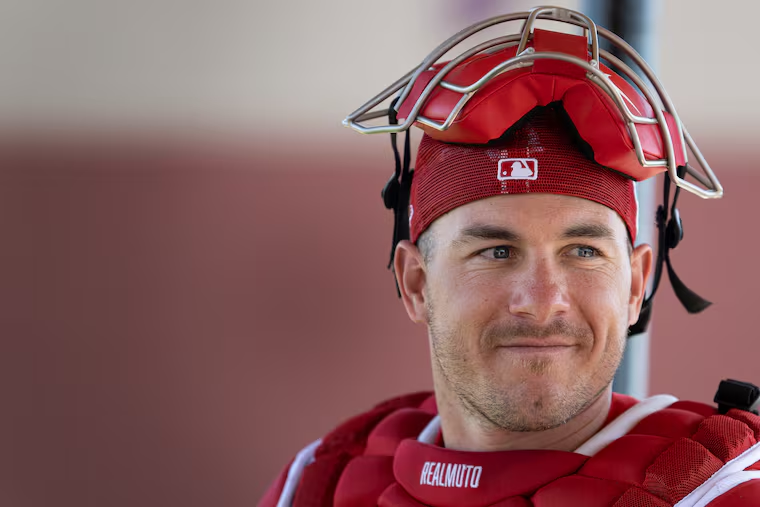
Realmuto said the system adds yet another mental task to an already overwhelming list for catchers.
Behind the plate, catchers are already responsible for:
- Game-planning with pitchers
- Studying scouting reports
- Calling pitches
- Managing defensive positioning
- Maintaining their own offensive rhythm
Adding ABS decisions means they must also track each pitcher’s strike zone and judge whether a challenge is worth using.
“I just think it puts so much more on our plate,” Realmuto said. “We’ve got to know guys’ strike zones — their top, their bottom — and know whether it’s the right moment in the game to challenge.”
He also noted that players may face second-guessing after games if they choose not to challenge certain calls.
Early Spring Results Are Mixed
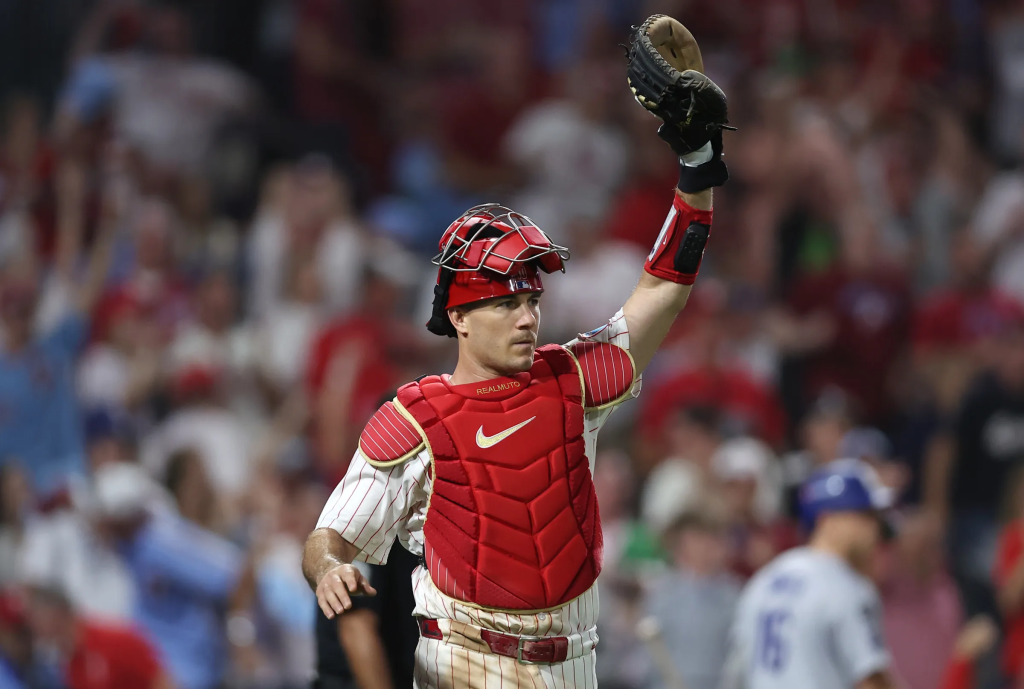
Spring training has provided the first real look at how the ABS challenge system works in MLB.
Across the league so far, about 52% of challenged calls have been overturned, showing that players are still learning when and how to use the system.
The Phillies’ early numbers haven’t been particularly strong:
- 3-for-7 on hitter challenges
- 4-for-9 on pitcher or catcher challenges
Both figures place them in the bottom third of MLB teams this spring, though the preseason is also being used as a testing period.
Strategic Challenges

Realmuto described one moment during a spring game that perfectly illustrates the dilemma.
He considered challenging a pitch early in the game but ultimately decided against it.
The count was 0-0 to the leadoff hitter of the inning, and he didn’t want to risk burning a challenge so early.
Ironically, replay later showed the pitch barely clipped the strike zone, meaning his instinct about the call itself had been correct.
But the situation still didn’t feel worth the gamble.
Pitchers vs. Catchers

Interestingly, early data from the minor leagues suggests pitchers have been the least successful at challenging calls.
That has led some teams to believe challenges should primarily be left to catchers — especially experienced ones like Realmuto.
Veteran pitchers such as Zack Wheeler or Aaron Nola may occasionally make their own calls. But younger pitchers might benefit from letting the catcher decide.
The Trade-Off

Despite his concerns, Realmuto acknowledges one major upside.
As pitchers continue throwing harder with nastier movement, a more consistent strike zone could ultimately help hitters and pitchers alike.
Still, for catchers already juggling countless responsibilities every game, the ABS challenge system represents one more decision to make on every pitch.
And for someone like Realmuto — already one of baseball’s busiest players — that extra layer of strategy may be the toughest adjustment of all.
Leave a Reply