Rep. Jasmine Crockett has ignited a political firestorm after suggesting on national television that former President Donald Trump may be a pedophile — a remark that instantly triggered outrage from conservatives, legal scholars, and Trump allies who are now calling the statement defamatory and “beyond irresponsible.”
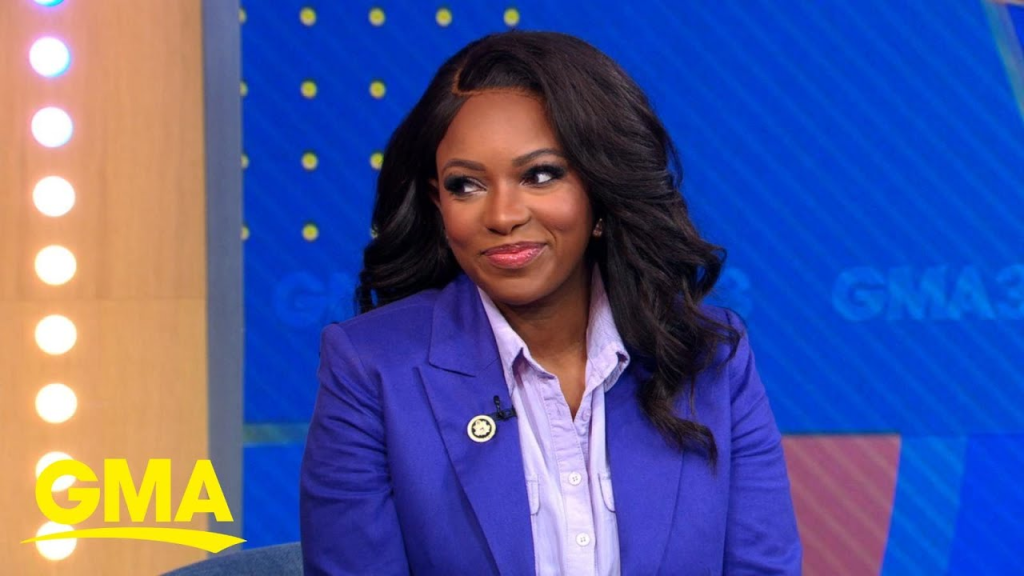
The controversy began during an interview in which Crockett, a Texas Democrat known for her sharp rhetoric, criticized Trump’s supporters for, in her view, overlooking the former president’s long-running associations and controversies. “If people decide that they want to continue to support a person who may be a pedophile themselves or a person who obviously is covering for pedophiles, that’s on them,” Crockett said. “But they should at least know the devil they decided to pick.”
Her comments spread across social media within minutes, prompting accusations that Crockett had crossed a legal and ethical line. Conservative commentators blasted her assertion as “baseless,” while many argued that Trump should file a defamation suit. “These are reckless allegations with no evidence whatsoever,” one legal analyst said. “Words like this can carry serious legal consequences if proven false and malicious.”
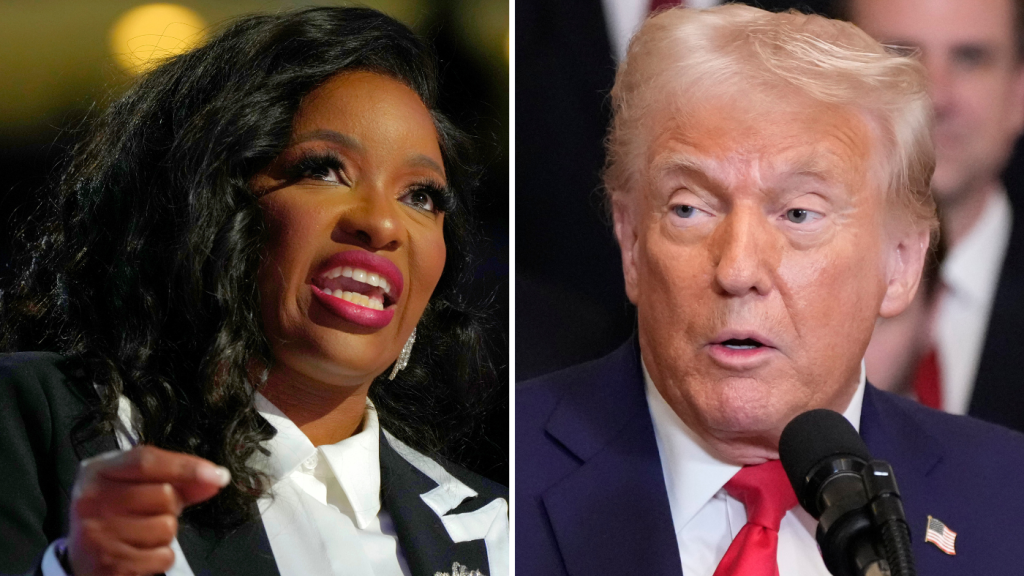
Trump’s allies immediately circulated clips of the interview, calling her remarks a deliberate smear designed to influence voters ahead of the election season. Some House Republicans demanded an apology, arguing that Crockett’s statement undermines the credibility of Congress by promoting unfounded insinuations.
Meanwhile, Crockett’s supporters defended her tone, claiming she was referencing long-standing questions surrounding Trump’s past associations — though they offered no evidence to substantiate the specific allegation she implied. The congresswoman has not issued a clarification or walked back her statement, even as calls for legal action grow louder.
Defamation experts note that suing a member of Congress over political speech is difficult, and Trump — as a public figure — would face a particularly high legal bar. To win, he would need to prove Crockett knowingly made a false statement with “actual malice,” a standard that has historically protected even harsh political rhetoric. Still, experts acknowledged that using charged criminal language on national television can carry real reputational and political consequences.
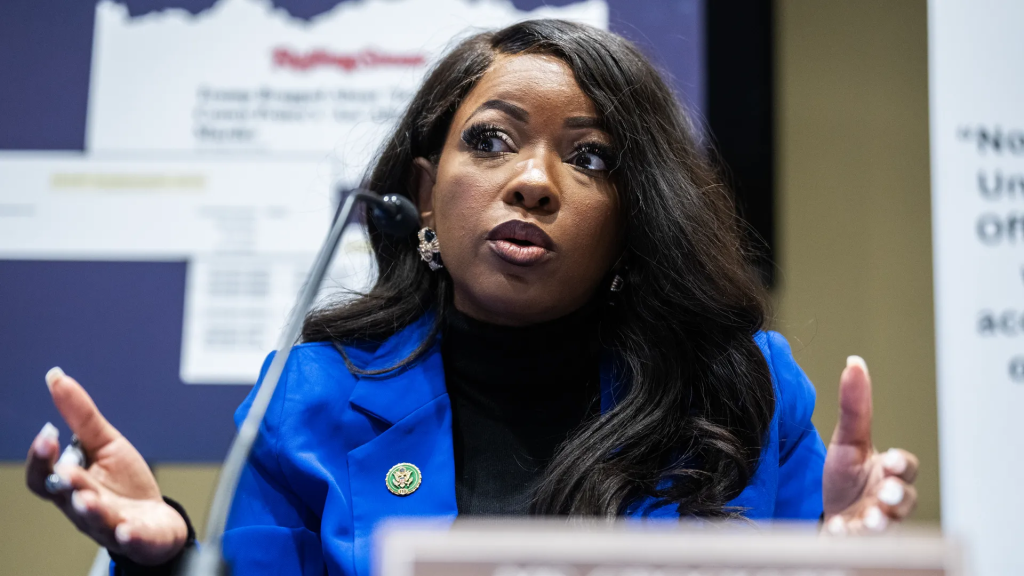
As the controversy deepens, the episode highlights the increasingly aggressive tone of American politics, where accusations once considered off-limits now surface in prime-time interviews. Whether the dispute leads to legal action or remains a heated political flashpoint, one thing is clear: Crockett’s remark has added new fuel to an already volatile national climate — and the fallout is far from over.
Leave a Reply