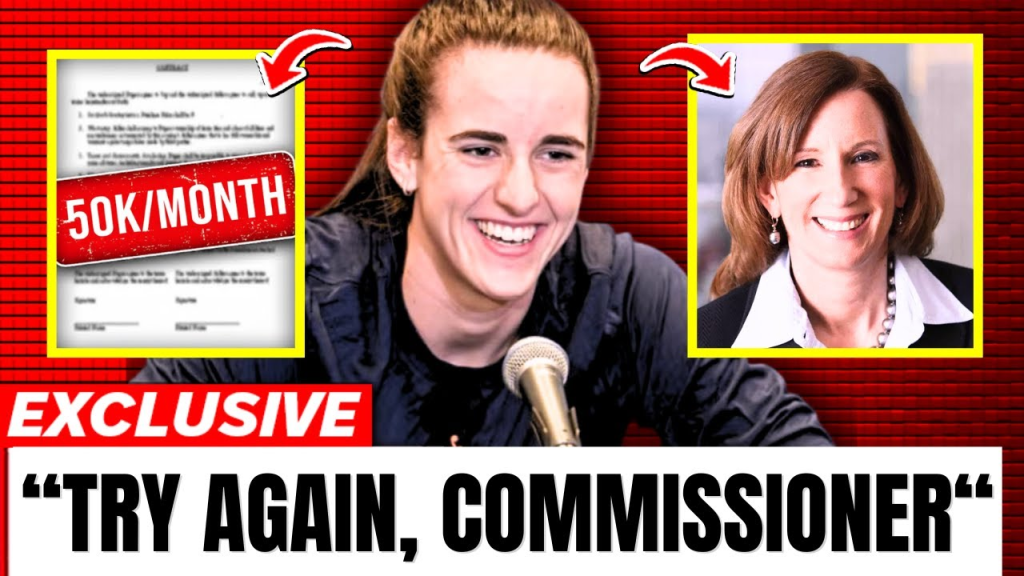
In a dramatic last-minute move, the WNBA and the Players Union have extended the deadline for the Collective Bargaining Agreement (CBA) to January 9, narrowly avoiding a potential labor crisis that could have triggered a lockout or strike. What should have been a routine negotiation has turned into a high-stakes spectacle, fueled by unprecedented tension between players, league management, and the undeniable influence of rising star Caitlin Clark.
Clark’s historic rise has not only electrified fans but also directly driven the league’s revenue growth. The WNBA’s proposal, which includes a $1.1 million maximum salary available to multiple players per team, is a reflection of her impact. Yet, this financial boon comes with a bitter irony: many veteran players reportedly harbor resentment and jealousy toward Clark, creating a paradox where the very athlete fueling the league’s growth is simultaneously the target of on-court aggression. Incidents during Clark’s rookie season—if extrapolated over a full season—could have reached double digits, highlighting the intensity of this internal conflict.
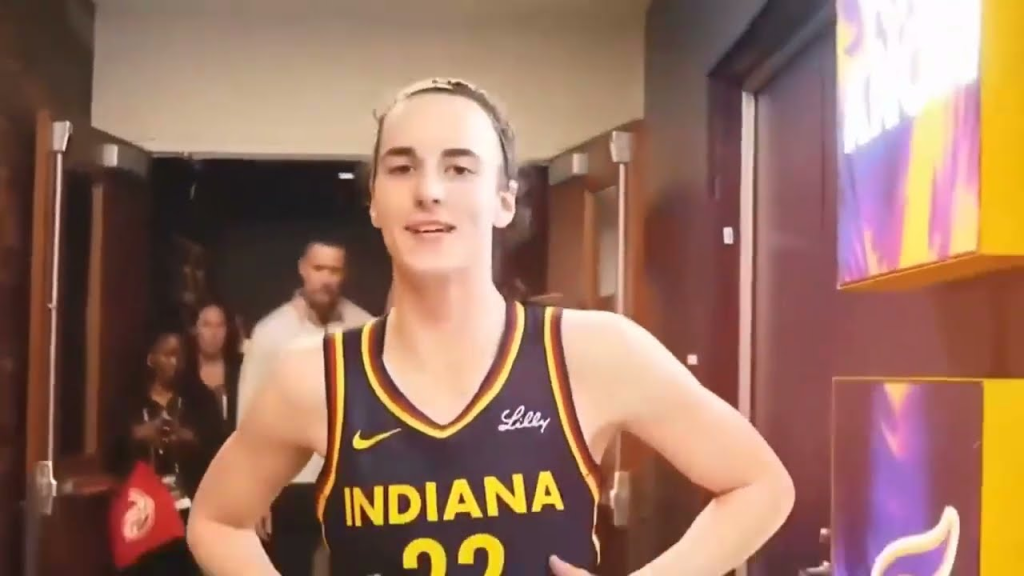
Negotiations have centered on salaries and revenue sharing, but the players’ demands go far beyond mere compensation. Key non-financial issues include expanded retirement benefits, guaranteed charter flights for all teams, and minimum standards for facilities. These requests reflect a desire for professional respect and improved quality of life, moving the conversation beyond the game-day spotlight.
Adding to the pressure is the looming free agency frenzy. Nearly every veteran player signed a one-year deal last season, anticipating a massive salary increase under a new CBA. If finalized, this could lead to an unprecedented level of player movement, reshaping team rosters and creating chaos akin to “throwing a grenade into the league,” as some observers have described. The league must navigate this period carefully to prevent disruption while maximizing publicity and growth opportunities.
The WNBA commissioner, Kathy Engelbert, who answers to NBA Commissioner Adam Silver, is also under scrutiny. Some insiders believe Engelbert may leave the league once negotiations conclude, raising questions about leadership stability at a critical moment. The players union, meanwhile, has made a bold statement demanding “substantive movement from the league within this window,” a veiled threat underscoring the intense power struggle between players and billionaire team owners.
External pressures further complicate negotiations. The launch of the rival league Unrivaled in January creates urgency for the WNBA to finalize its CBA and retain talent, while the NFL playoffs dominate the sports media landscape, limiting attention for the league’s potential positive news cycle. Expansion teams in Portland and Toronto also heighten the stakes, as delays in CBA approval could impact roster-building timelines and disrupt league growth plans.
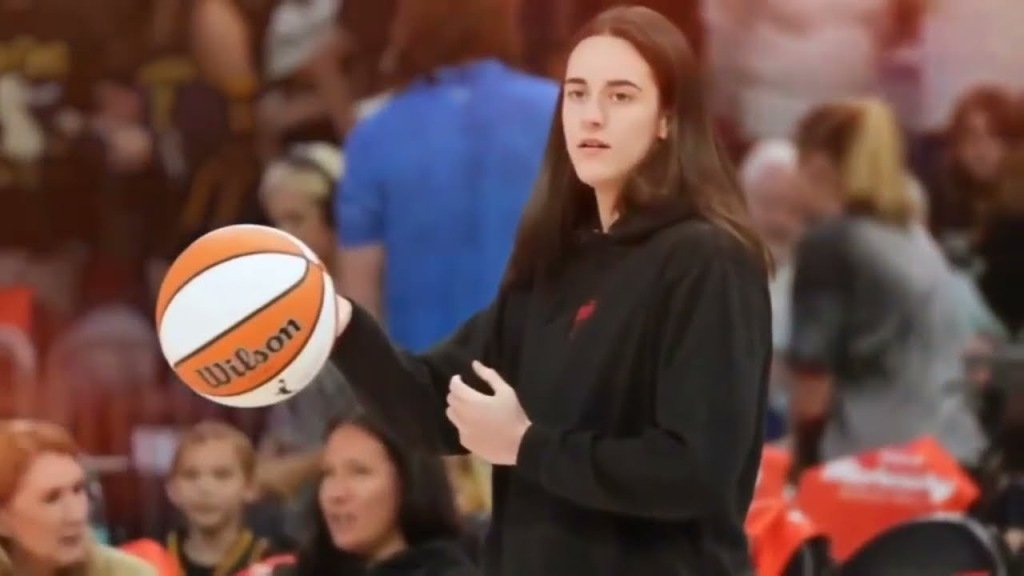
At the heart of this drama is Caitlin Clark. Her unprecedented talent and marketability have created financial opportunities for every player in the league, yet internal resentment threatens to undermine the collective gains. The tension between profiting from Clark’s impact while simultaneously targeting her on the court creates a volatile, almost unprecedented dynamic in professional sports. It’s a delicate balance of economic incentive, personal animosity, and league politics.
If the CBA is ratified by January, the WNBA could experience a historic surge of attention, driven by both the free agency frenzy and the ongoing expansion initiatives. Star players’ movement, blockbuster signings, and team overhauls could dominate sports media, further solidifying the league’s position in the competitive professional sports market. However, any misstep risks plunging the league into chaos, fracturing relationships between players, management, and the commissioner’s office.
The situation reveals a critical truth about modern professional women’s basketball: collective prosperity is intricately linked to individual talent, yet human emotions, jealousy, and power dynamics complicate this relationship. The league now stands at a crossroads: fully embrace Caitlin Clark’s transformative influence to drive growth and revenue, or risk internal divisions sabotaging a historic opportunity.
As January 9 approaches, all eyes will remain on the WNBA, the Players Union, and the league’s leadership. The upcoming weeks will determine whether the league can navigate these complex negotiations, secure a new CBA, and enter the next season with both stability and momentum—or whether unresolved tension and internal conflict will define the future of women’s professional basketball.
Leave a Reply