Projecting a rookie’s first season in the major leagues is never easy.
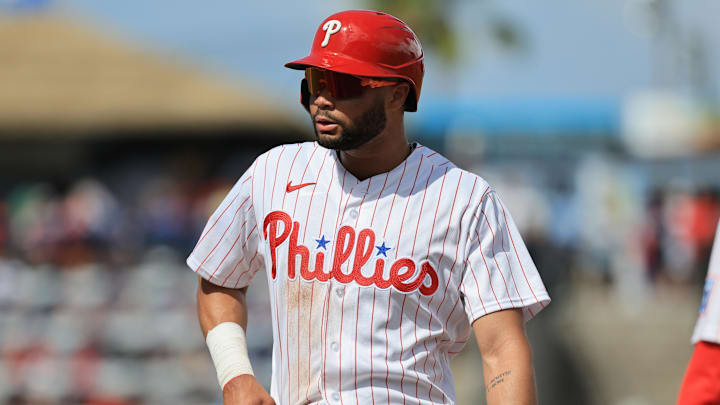
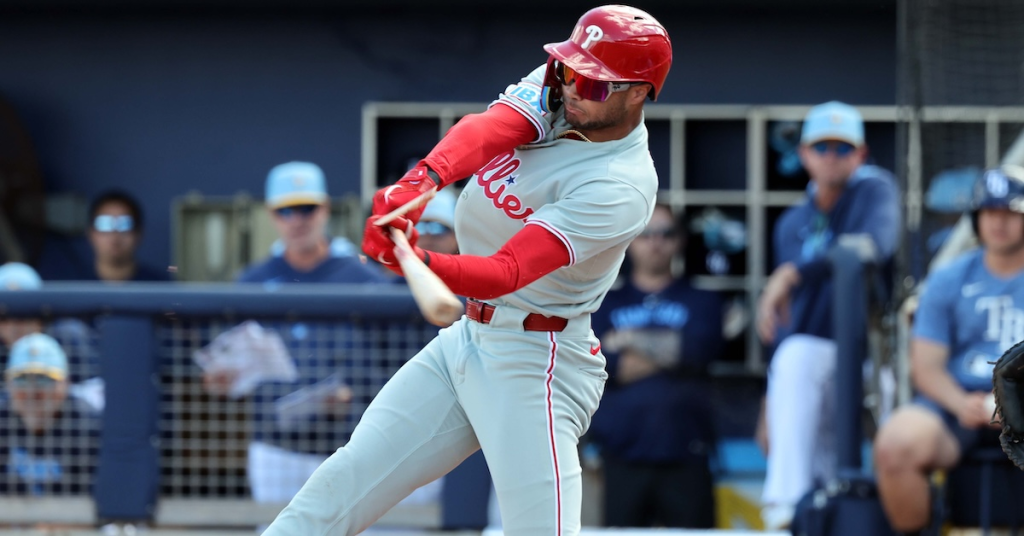
Justin Crawford hit .334 with a .411 on-base percentage last season at Triple A. | Kim Klement Neitzel-Imagn Images
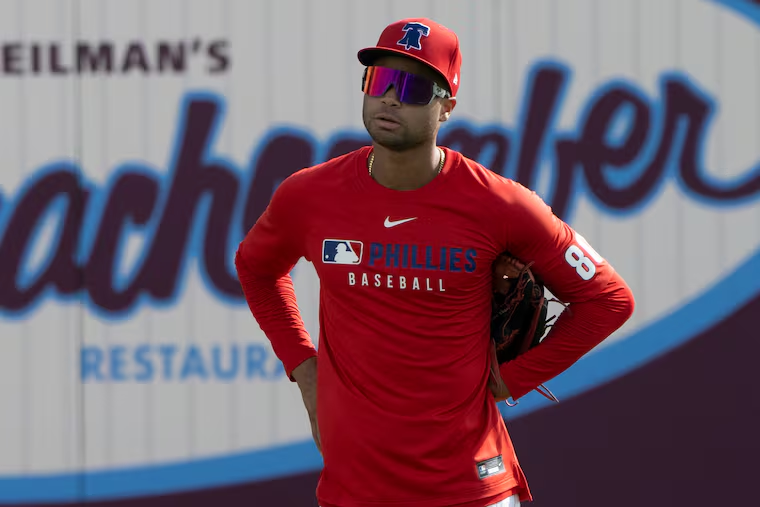
For the Philadelphia Phillies, few players represent the uncertainty of the 2026 season more than Justin Crawford. The 22-year-old outfielder is stepping into the spotlight as one of the franchise’s most intriguing young talents, and his development could play a significant role in how the season unfolds.
If Crawford adapts quickly to big league pitching, the Phillies lineup could become even more dangerous. Combined with the arrival of top pitching prospect Andrew Painter, Philadelphia’s roster could look much stronger than many early projections suggest.
A potential spark at the top of the lineup
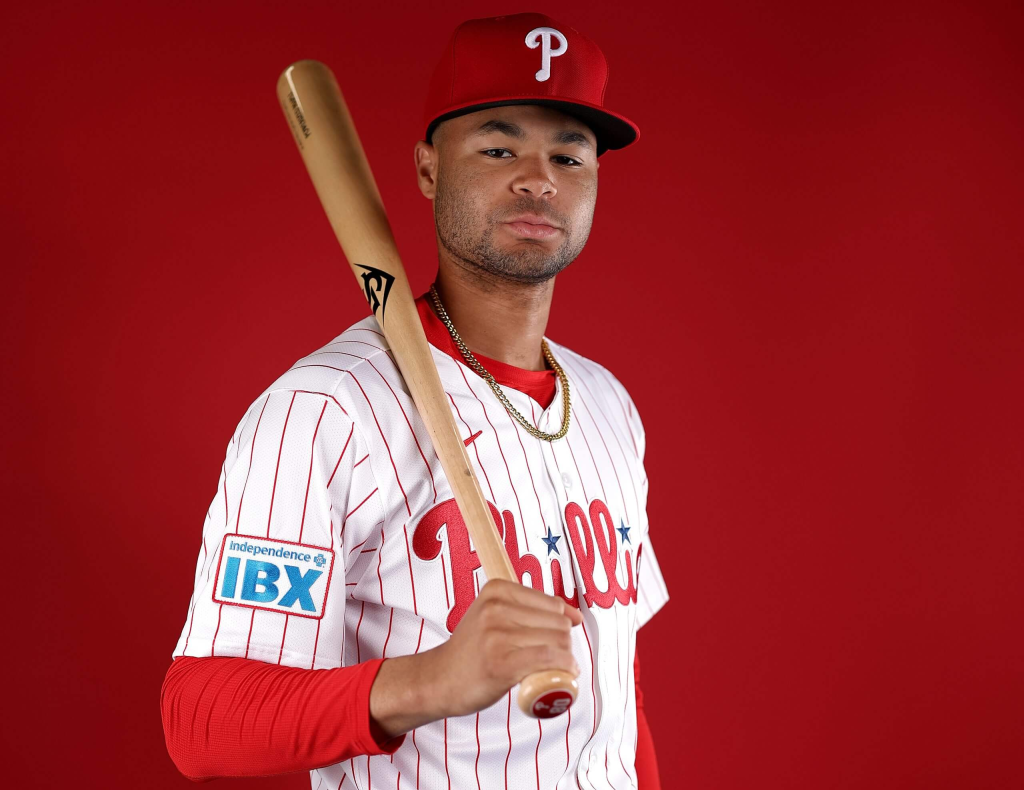
Crawford’s biggest value may come at the top of the batting order.
If he reaches base consistently, the Phillies could suddenly have one of the most dynamic table-setting combinations in baseball. Imagine Crawford getting on base ahead of Trea Turner, followed by sluggers Kyle Schwarber and Bryce Harper waiting behind them.
Even a simple sequence of singles could create chaos for opposing pitchers, forcing defenses to deal with Crawford’s speed and Turner’s aggressive base running.
The Phillies have already given Crawford plenty of opportunities during spring training. Entering the week, he was tied with Otto Kemp for the team lead in plate appearances, logging 28 trips to the plate.
So far, Crawford has gone 6-for-27 (.222) with three doubles, one walk, and five strikeouts. While those numbers are modest, spring statistics rarely tell the full story for young players adjusting to major league pitching.
Projection systems see promise
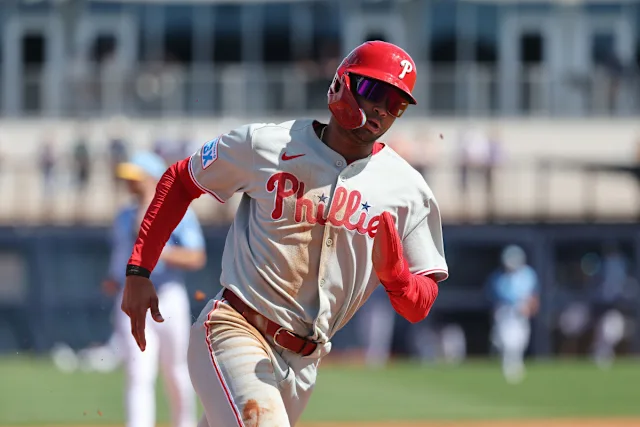
Several advanced projection models offer insight into what Crawford’s rookie season might look like.
While each system uses a different formula, they all paint a relatively encouraging picture.
Steamer projection
The Steamer projection system, one of the primary forecasting models used by FanGraphs, predicts Crawford will post:
- .267 batting average
- .325 on-base percentage
- .376 slugging percentage
- 15 doubles
- 5 home runs
- 17 stolen bases
- 346 plate appearances
That playing time estimate appears conservative. Crawford is widely expected to serve as the Phillies’ everyday center fielder, which should lead to significantly more opportunities unless injuries intervene.
ZiPS projection
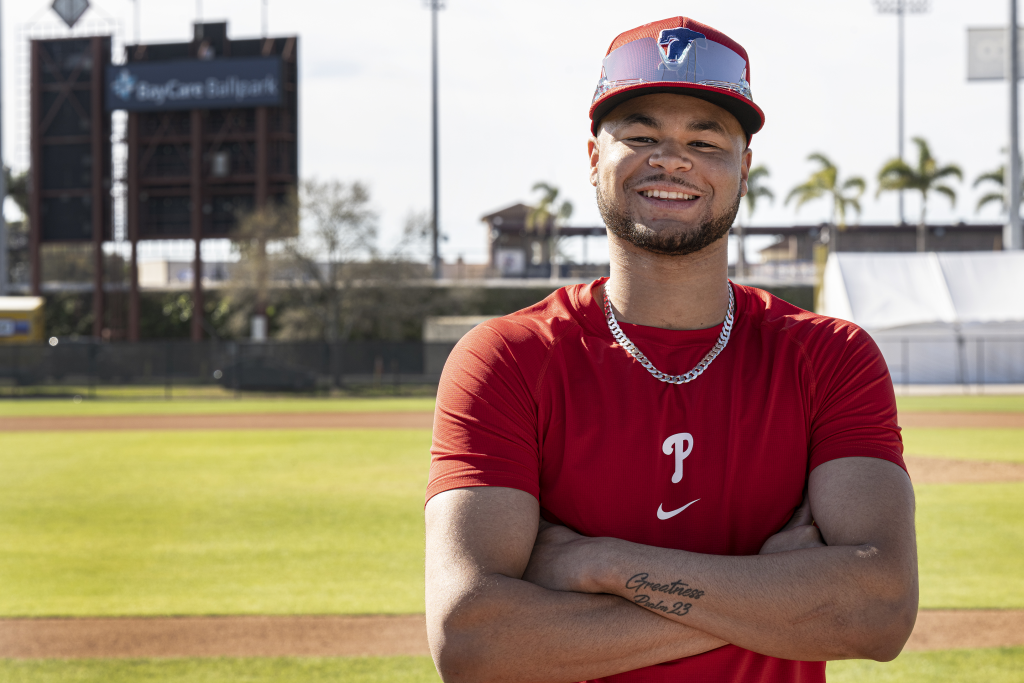
The ZiPS projection system, which has been used for more than two decades, takes a more optimistic view.
ZiPS projects Crawford to produce:
- .286 batting average
- .337 on-base percentage
- .390 slugging percentage
- 21 doubles
- 4 triples
- 7 home runs
- 29 stolen bases
- 529 plate appearances
Those numbers would represent an excellent rookie season.
For context, only two Phillies hitters last year finished with a higher batting average than .286: NL batting champion Trea Turner (.304) and Alec Bohm (.287).
Just as important is the projected .337 on-base percentage, which comfortably exceeds last season’s MLB average of .315.
Getting on base is the key
For Crawford, power production will be a bonus — not a necessity.
His primary job will be to reach base and create opportunities for the powerful hitters behind him. If he can consistently get on base, his speed alone could disrupt opposing defenses and generate extra scoring chances.
That ability to set the table could make Crawford an important piece of the Phillies offense even without big home run totals.
Fangraphs depth chart projection
FanGraphs’ combined projection model — known as FGDC, which blends ZiPS and Steamer forecasts — lands somewhere between the two systems.
It predicts Crawford will hit:
- .276/.331/.383
- 20 doubles
- 7 home runs
- 25 stolen bases
- 476 plate appearances
Those numbers would represent strong production for a first-year player adjusting to the toughest level of baseball.
Rookie success is rare — but possible
Rookies rarely dominate immediately in the major leagues.
Last season, only four rookies who played at least 100 games hit .275 or better: Jacob Wilson, Nick Kurtz, Jake Mangum, and Chandler Simpson.
If Crawford reaches that level of performance, he would instantly become one of the more successful rookie hitters in baseball.
For the Phillies, that kind of production could make a major difference in the lineup.
And if Crawford’s speed, contact ability, and on-base skills translate to the big leagues, Philadelphia may have discovered another young catalyst capable of helping drive the team’s next postseason push.
Leave a Reply