Francisco Lindor’s rough game stood out.
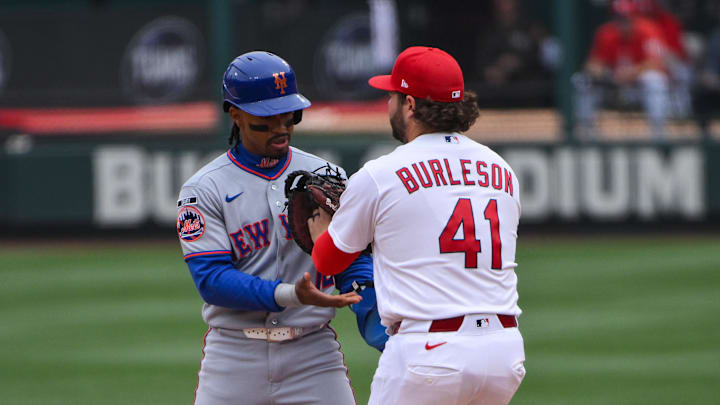
Apr 1, 2026; St. Louis, Missouri, USA; New York Mets shortstop Francisco Lindor (12) is tagged out by St. Louis Cardinals first baseman Alec Burleson (41) after he was picked off during the sixth inning at Busch Stadium. Mandatory Credit: Jeff Curry-Imagn Images | Jeff Curry-Imagn Images
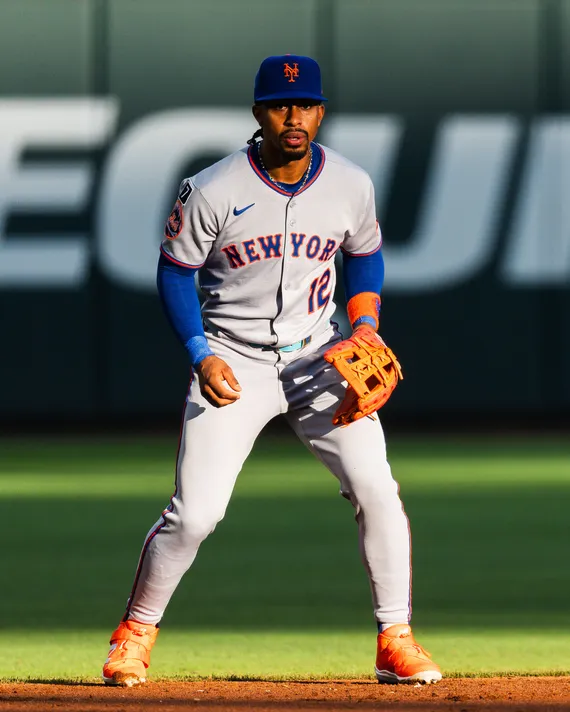
Forgetting the number of outs on defense. Getting picked off just before a Juan Soto home run that could have changed everything. It was the kind of performance that would have drawn loud reactions at Citi Field.
But here’s the reality—the Mets have bigger issues.
At 3-3, the season is still wide open. Nothing is broken beyond repair. Yet beneath the surface, several early trends are beginning to raise more meaningful questions than one bad night from their star shortstop.
If anything, Lindor’s mistakes are more of a distraction than the real problem.

Because the concerns run deeper.
The most pressing issue might be Marcus Semien.
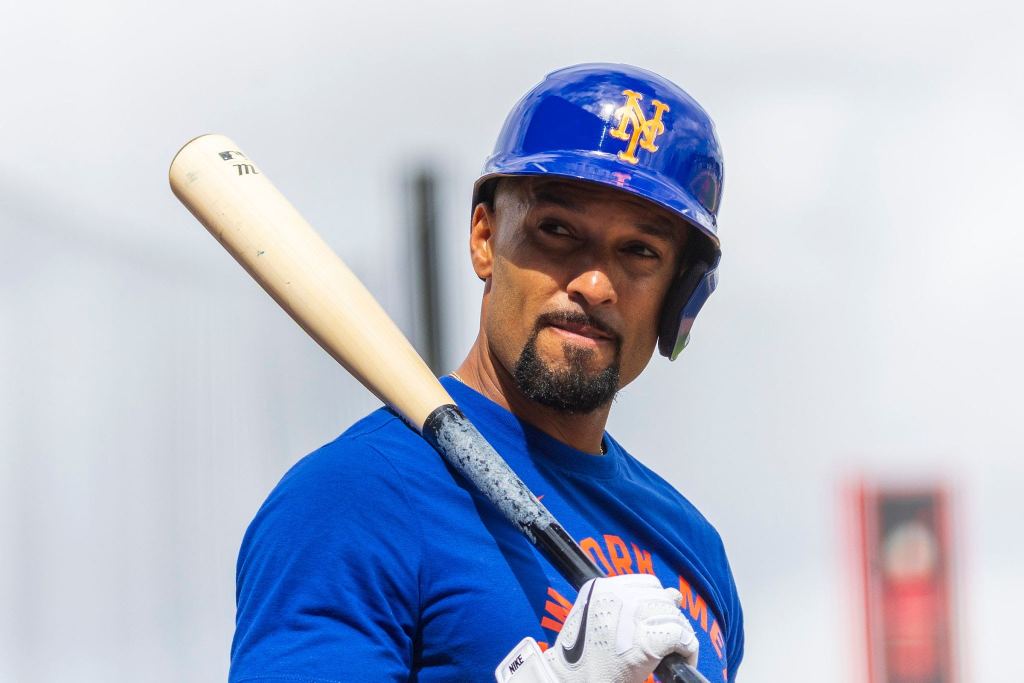
Brought in to stabilize the lineup, Semien has stumbled out of the gate, going just 2-for-20. His strikeout total is already climbing, and the quality of contact hasn’t inspired confidence. There were quiet concerns when he was acquired—questions about decline—and early returns aren’t easing them.
Right now, that’s an 8 out of 10 concern.
Brett Baty, on the other hand, sits on the opposite end of the spectrum.
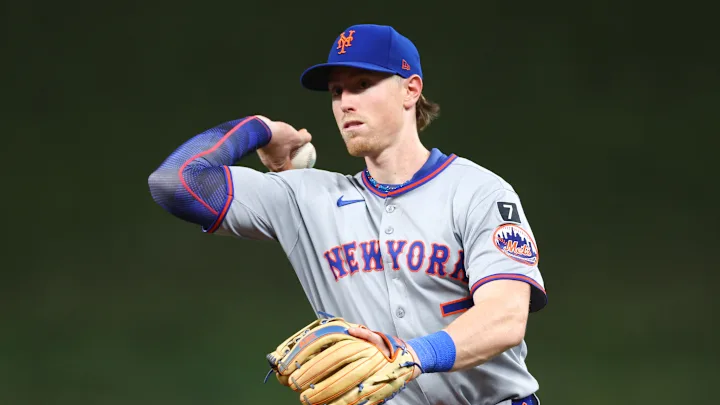
After a strong Opening Day showing, he has cooled significantly, collecting just five hits in 23 at-bats without drawing a walk. The team has already started to manage his playing time, hinting at caution—but not alarm.
For now, that concern remains manageable.
The broader offensive picture, however, is harder to ignore.
Outside of Juan Soto and Luis Robert Jr., production has been inconsistent at best. Bo Bichette and Jorge Polanco are among those still searching for rhythm, contributing to an offense that has struggled in key moments.
The most telling number? A .162 batting average with runners in scoring position.
That’s not just bad luck. That’s a pattern the Mets have seen before.
And that pushes this concern into more serious territory.
Then there’s the bullpen—specifically, how it’s being used.
Manager Carlos Mendoza has already drawn mixed reactions for his decisions, particularly with frequent appearances from certain relievers. Some of that can be explained by early extra-inning games stretching the staff, but the underlying issue may be roster construction rather than in-game management.
That’s where things get complicated.
The pitching staff itself feels unsettled.
There’s overlap in roles, with multiple arms seemingly built for similar responsibilities. Sean Manaea’s hybrid usage, alongside multi-inning options like Tobias Myers, creates flexibility—but also confusion. Add in inconsistent performances from other relievers, and the structure begins to look uncertain.
It’s not just about execution.
It’s about clarity.
Right now, that clarity isn’t there.
Even arms expected to be reliable haven’t fully settled in, forcing the Mets to lean more heavily on certain pitchers earlier than expected. That kind of imbalance rarely holds up over a long season.
And that’s the key context here.
Six games don’t define a team. But they can reveal tendencies.
The Mets still have time to correct course. The talent is there. The expectations remain intact.
But if these early patterns continue—uneven offense, unclear pitching roles, and underperforming veterans—those concerns will only grow louder.
Lindor’s mistakes will fade.
These won’t.
Because in a long season, it’s not the obvious errors that shape the outcome.
It’s the underlying issues that never quite get fixed.
Leave a Reply