If the New York Mets are going to challenge for the NL East, everything starts with Francisco Lindor.
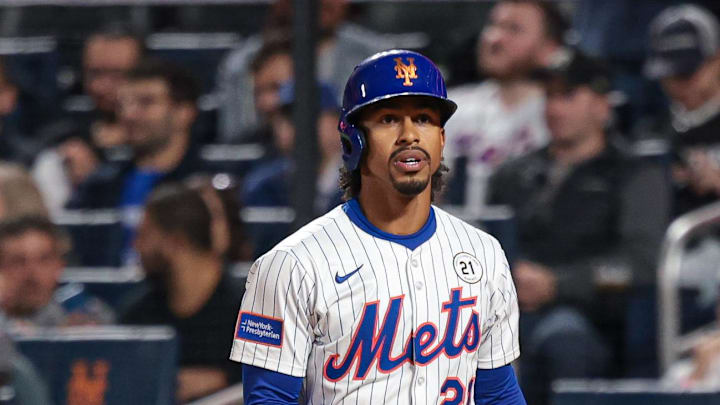
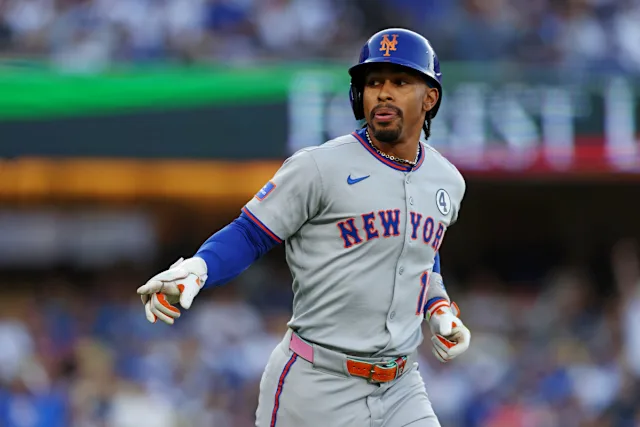
Sep 16, 2025; New York City, New York, USA; New York Mets shortstop Francisco Lindor (12) at bat during the second inning against the San Diego Padres at Citi Field. Mandatory Credit: Vincent Carchietta-Imagn Images | Vincent Carchietta-Imagn Images
That’s what makes this performance so difficult to ignore.
In a scoreless game against the St. Louis Cardinals, Lindor delivered two moments that stood out—not just for the mistakes themselves, but for what they seemed to suggest. For a player often viewed as the emotional and strategic leader of the team, the lack of urgency was impossible to miss.
And it came early.
In the first inning, with a routine ground ball offering a clear chance at an inning-ending double play, Lindor fielded it cleanly—but didn’t finish the job. He settled for the force at second, never attempting the throw to first, as if the situation didn’t demand it.
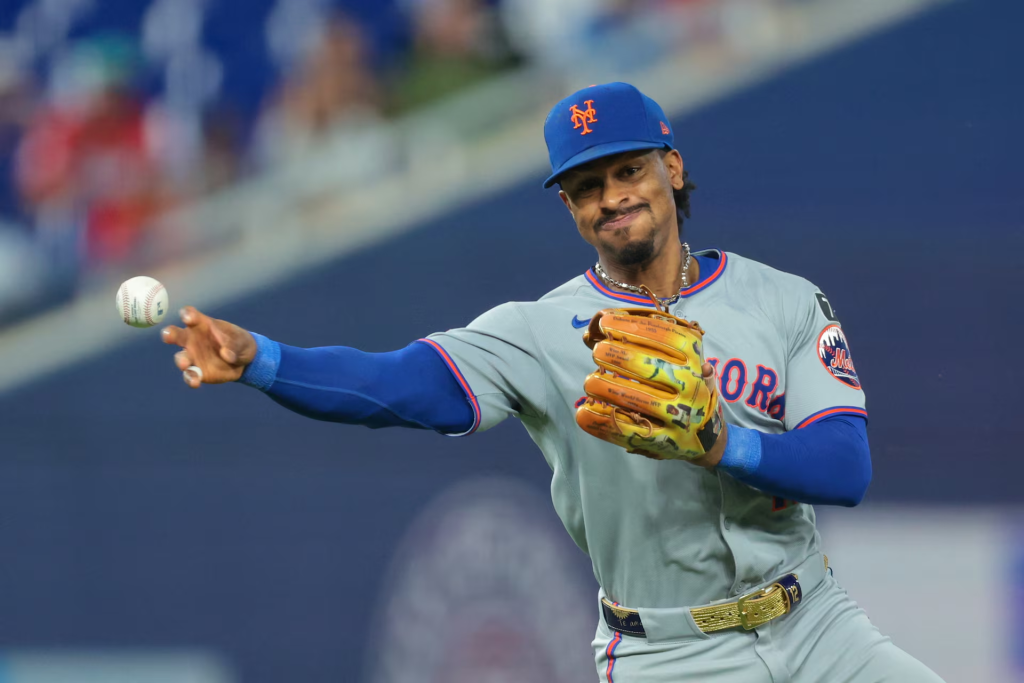
It wasn’t a physical error.
It was a mental one.
Later in the game, with the score still tied, Lindor reached base on a defensive miscue. Moments later, he was picked off first—caught flat-footed, offering little resistance, and making no real effort to force a play or extend the moment.
Two sequences. Two lapses.
And both left a lasting impression.
For opposing fans—and especially those in Philadelphia—this kind of performance only adds fuel to an already growing narrative. The Mets, long seen as a potential threat in the division, suddenly look more vulnerable when their most important player shows cracks like this.
But the concern goes beyond a single game.
Lindor has been at the center of internal questions before. Reports from last season suggested tension within the clubhouse, contributing to a disappointing finish and eventual roster changes. Key players moved on, but questions about leadership and chemistry never fully disappeared.
That context matters now.
Lindor has often been viewed as the unofficial face of the franchise, a player expected to set the tone both on and off the field. Yet the organization itself took a step back from formally naming a captain, with ownership making it clear that the role would remain vacant.
It was a notable decision.
And while Lindor publicly accepted it, the expectations surrounding him didn’t change. Whether or not he holds a title, his influence remains central to how this team operates.
That’s why moments like this resonate.
They raise uncomfortable questions—not just about execution, but about focus, accountability, and leadership. In a long season, isolated mistakes happen. But when they reflect something deeper, they can linger.
For the Mets, that’s the real concern.
Because talent alone isn’t the issue. The roster still has enough ability to compete. The question is whether everything behind the scenes is aligned enough to sustain that push.
If it isn’t, small moments can grow into bigger problems.
And if those problems begin to show up consistently on the field, the consequences follow quickly—missed opportunities, mounting losses, and renewed scrutiny.
It’s still early. The season hasn’t taken shape yet.
But if this game is any indication, the Mets may not just be fighting their opponents.
They may be fighting themselves.
Leave a Reply